
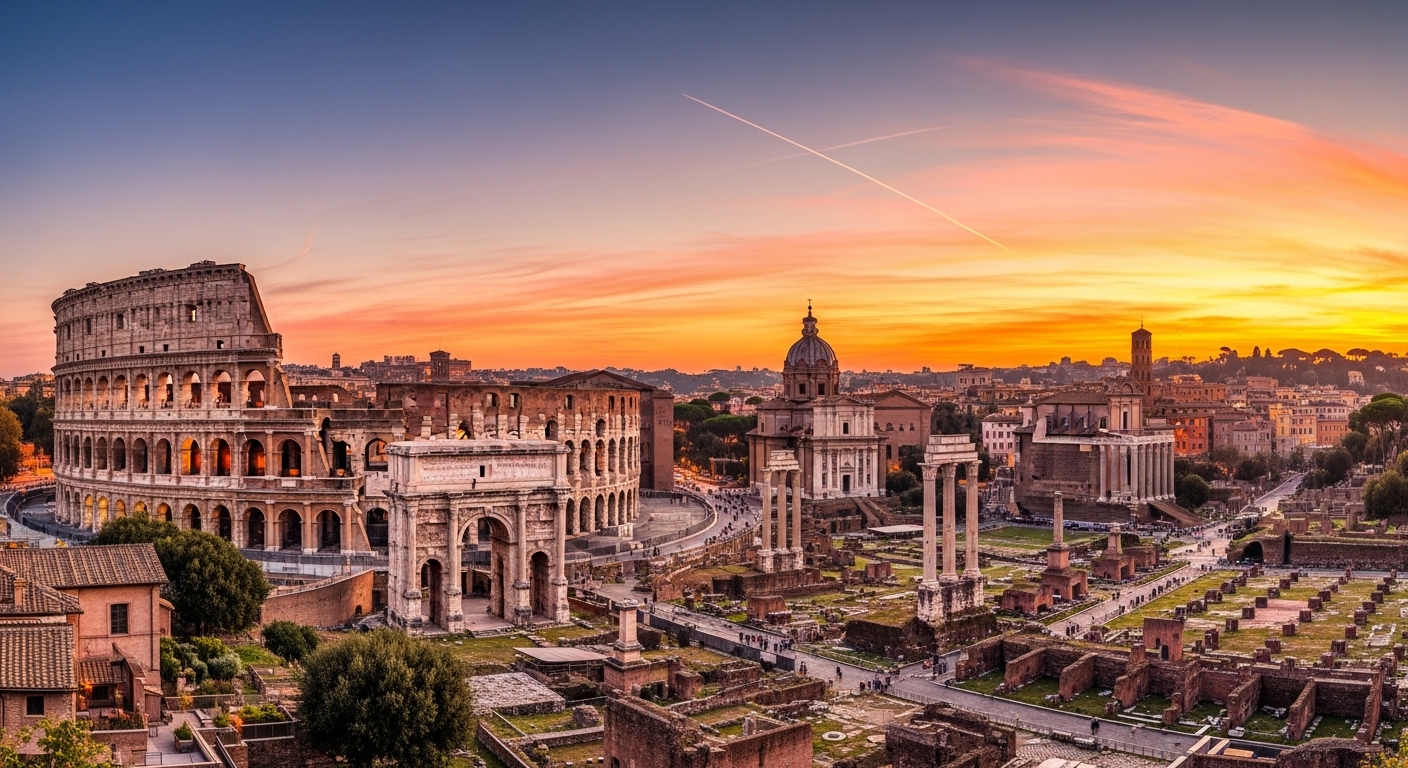
Architecture is more than bricks and mortar; it is the heartbeat of history, culture, and national identity. Around the world, magnificent buildings, ancient temples, grand palaces, and modern marvels narrate the story of a country like no book can. If you’ve ever wondered how to explore a nation’s past, present, and spirit, traveling through its architecture is an unmatched journey. From colonial structures to futuristic designs, these destinations showcase the essence of their people and heritage.
Visiting such places offers more than sightseeing. You can walk through centuries of art, politics, and tradition all in one city or region. Imagine walking beneath Gothic arches in Paris, marveling at Mughal splendor in Agra, or seeing bold modernist forms in Barcelona. Each tells a unique story of a nation’s evolution, conflicts, achievements, and dreams.
Have you ever paused to wonder how the buildings around you reflect history? Or how monuments capture identity and resilience? Architecture is often the most visual storyteller, preserving culture when words fall short. Let’s explore some of the destinations where architecture vividly narrates the journey of a nation.
Historic Cities Where Architecture Defines Identity
Few cities reveal their history more vividly than their buildings. For instance, Rome is a living museum. The Colosseum, Roman Forum, and countless churches reveal layers of imperial power, religious influence, and artistic achievement. Walking its streets is like traveling through centuries of empire and culture.
In London, architecture captures political evolution. The contrast between the historic Tower of London, Westminster Abbey, and modern Shard skyscraper reflects centuries of monarchy, democracy, and economic growth. Each building offers a window into the nation’s identity, showing how tradition and innovation coexist.
Colonial Legacy and Cultural Fusion
Colonial history often leaves a lasting imprint on architecture. Cities like Jakarta, Kuala Lumpur, and Mumbai showcase colonial-era buildings fused with local styles. From British, Dutch, and Portuguese influences to indigenous design elements, these structures narrate stories of trade, conquest, and adaptation.
Walking through old colonial districts often feels like traveling through time. Courtyards, facades, and public squares reveal economic ambitions, political struggles, and cultural negotiation between colonizers and locals. This blend creates a unique architectural heritage that is inseparable from the nation’s identity.

Religious and Spiritual Architecture
Religious structures often tell stories of faith, society, and power. In Kyoto, Japan, ancient temples and shrines reflect Shinto and Buddhist traditions. Their wooden structures, serene gardens, and symbolic design communicate spiritual values while preserving cultural aesthetics for centuries.
The Middle East also offers profound architectural storytelling. The Blue Mosque in Istanbul and Sheikh Zayed Grand Mosque in Abu Dhabi showcase Islamic artistry, historical continuity, and the vision of modern nations rooted in tradition. Architecture becomes a visual language, narrating faith and societal values.
Modern Architecture and National Identity
Contemporary architecture often reflects a nation’s ambitions, creativity, and identity in the modern world. Cities like Dubai and Barcelona reveal innovation, blending art, technology, and cultural pride. Iconic buildings like the Burj Khalifa and Sagrada Família communicate vision, progress, and cultural storytelling in ways traditional monuments cannot.
Modern architecture also preserves cultural roots. In Singapore, Marina Bay Sands reflects both futuristic ambition and the nation’s identity as a global hub. Similarly, Brasilia’s government buildings show how design can tell the story of planning, democracy, and national aspirations.

Architecture as a Window into Everyday Life
Beyond landmarks, residential architecture offers insight into daily life, traditions, and social values. In cities like Marrakech, the riads reveal family structures and cultural hospitality. Courtyards, mosaics, and terraces reflect climate adaptation, social customs, and aesthetic preferences.
Neighborhoods in Amsterdam, Venice, or Havana show how narrow streets, colorful facades, and compact urban planning communicate communal living, resilience, and historical evolution. Even ordinary buildings tell stories of the people who lived, worked, and dreamed within them.
Travel Tips for Architecture Enthusiasts
1. Research Historical Context: Understanding the political, religious, and cultural context will make your visit more meaningful.
2. Join Guided Tours: Local guides often provide hidden stories behind buildings and landmarks.
3. Take Notes and Photos: Document your journey for reflection or sharing.
4. Explore Beyond Landmarks: Don’t limit yourself to famous structures; residential areas often reveal the true story of a nation.
5. Observe Materials and Design: Every brick, tile, and ornament can tell a story about climate, technology, and values.
Architecture is the most silent, yet the most expressive storyteller of all. Through it, nations speak across centuries, revealing triumphs, struggles, and cultural evolution. By exploring cities, temples, monuments, and even ordinary streets, travelers can uncover the narrative of a nation in ways no history book or museum can convey.
Which city or building has impressed you the most with its architectural storytelling? Share your experiences and favorite architectural journeys with us. Let’s discover the hidden stories of nations together.
Follow WentWorld on social media for more travel insights, stories, and guides that help you explore the world like never before. Architecture is just the beginning of what a nation can tell you.
Catch up on the top stories and travel deals by subscribing to our newsletter!










Leave a Reply
You must be logged in to post a comment.