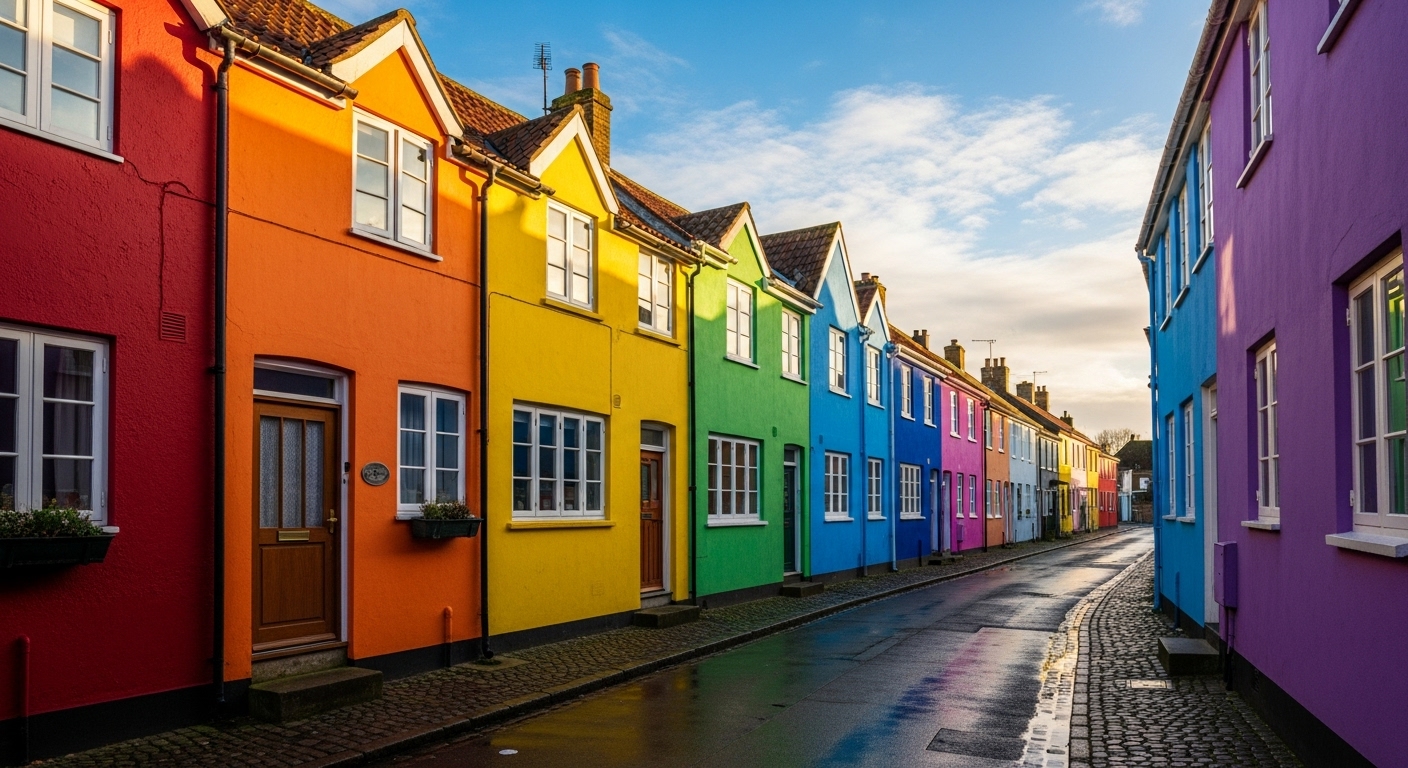
There’s something irresistibly joyful about arriving in one of the world’s many color-block towns. These places aren’t just painted; they’re designed like full palettes brought to life—streets bursting with blues, yellows, pinks, greens, and reds so vivid that it almost feels like walking inside an artist’s sketchbook. But what makes these color-block towns so enchanting? Why do certain destinations around the world choose to transform their buildings, houses, and streetscapes into immersive works of art? That’s what we’re diving into today.
If you’ve ever seen photos of a bold seaside village or a rainbow-painted neighborhood and wondered what it feels like in person, this guide is for you. Travelers often describe these places as uplifting, peaceful, and surprisingly emotional. And honestly—who doesn’t feel a spark of joy when surrounded by huge blocks of color? Whether you travel for photography, history, culture, or pure inspiration, color-block towns offer something magical.
And here’s a thought to kick things off: Have you ever considered how color affects your mood when you travel? It’s a question many travelers never think about, yet it shapes our memories more than we realize. In color-block towns, that emotional impact is multiplied, intentionally or not, creating destinations that leave lasting impressions.
Why Do Color-Block Towns Exist?
Color-block towns didn’t just appear out of nowhere for aesthetics—although they certainly attract millions of photos today. Most have deep cultural, historical, or social roots that explain their distinctive appearance. From fishermen painting houses vivid hues to spot their way home, to artists revitalizing abandoned neighborhoods, to towns expressing their cultural identity through visual storytelling, the reasons behind these painted streets are as fascinating as the colors themselves.
When you visit a color-block town, you’re not simply looking at pretty buildings. You’re stepping inside a narrative—one that connects the past and present through pigment, creativity, and community pride. That’s one of the greatest reasons people travel to see these places: you’re not just seeing color, you’re experiencing a story.
How Color Transforms a Town’s Identity
It’s remarkable how something as simple as paint can completely transform the spirit of a town. In many color-block towns, the transformation wasn’t driven by tourism—tourism arrived later. Instead, color was used as a unifying force, a message, or a practical solution. But today, these destinations have expanded into lively hubs where architecture, creativity, and culture intersect.
Colors have psychological effects. Warm tones energize, cool tones soothe, bright tones excite the imagination. A stroll through a color-block town is like slowly moving through an emotional spectrum. One moment you feel calm walking by ocean-colored houses; the next, you feel uplifted approaching a row of sunny yellows. Travel becomes multisensory—not just about where you go, but how you feel.
Many visitors admit that these towns feel happier, lighter, more expressive. There’s no monotony: each street has a personality, and each home feels like a chapter in a storybook. It’s no wonder these places have become favorites for photographers, painters, and creative souls looking for inspiration.
Examples of the World’s Most Famous Color-Block Towns
Now let’s journey to a few iconic places where color-block towns draw travelers from all around the world. While each one is famous for its palette, they all have individual histories, styles, and reasons for their vivid looks.
Burano, Italy — A Fishermen’s Rainbow Village
Burano is one of the world’s most recognized color-block towns, and it’s easy to see why. This Venetian island is painted like a perfectly arranged color wheel. Legend says fishermen painted their homes in bold colors—blue, red, yellow, lime—so they could spot them from afar while returning through foggy Venetian waters. Whether the story is myth or fact, the result is stunning.
Today, Burano’s beauty draws visitors year-round. The reflections of the houses in the canals create a postcard scene that almost looks unreal. Walking through Burano feels like stepping inside a gentle watercolor painting, and the atmosphere is as peaceful as it is colorful.
Chefchaouen, Morocco — The Blue Pearl
Chefchaouen is a different kind of color-block town—while many destinations use multiple colors, this one is devoted almost entirely to blue. From pastel sky-blue steps to navy doors, sapphire alleyways, and cobalt walls, the town glows like a dream. Travelers describe Chefchaouen as calming, spiritual, and otherworldly.
There are many theories behind the blue hue—some say it reflects the sky and brings people closer to spirituality, while others say it keeps mosquitoes away. Whatever the reason, the effect is mesmerizing. It’s one of the most photogenic places in the world, and honestly, photos barely capture the real experience.
Bo-Kaap, South Africa — Culture Painted in Bright Hues
Bo-Kaap in Cape Town is a wonderful example of color-block towns rooted in cultural identity. Historically a neighborhood of freed slaves, Bo-Kaap reinvented itself by painting homes in bold, joyful colors as a symbol of independence, individuality, and freedom. Walking through Bo-Kaap feels like stepping into a celebration.
Each house is painted differently—fuchsia, orange, turquoise, purple, jade—and the effect is both vibrant and meaningful. It’s a powerful reminder of how color can be political, personal, and deeply expressive all at once.

Pachuca, Mexico — A Modern Artistic Transformation
Pachuca’s hillside neighborhood of Las Palmitas is a vibrant example of modern color-block artistry. Once an overlooked urban area, artists collaborated with residents to completely transform it into a living mural. Bright yellows, pinks, greens, and oranges stretch across hundreds of homes, blending into a massive canvas visible from afar.
Unlike historical color-block towns that developed organically, Pachuca showcases how art can uplift a community and change its reputation. It’s a powerful model for how creativity can spark new beginnings.
Willemstad, Curaçao — Dutch Charm with Caribbean Color
Willemstad is a perfect blend of European architecture painted in tropical colors. Legend says a former governor believed bright colors reduced headaches caused by sunlight reflecting off white buildings. Whether true or not, the city fully embraced the palette. Today, Willemstad is a lively Caribbean masterpiece.
Walking along Handelskade feels like moving through a row of candy-colored gingerbread houses. The effect is charming, warm, and unforgettable.
What Makes Color-Block Towns So Memorable?
The charm of color-block towns isn’t only visual—it’s emotional. When a town boldly embraces color, it expresses personality. These colors reflect history, heritage, creativity, and even rebellion. And as a traveler, you don’t just see it; you feel it.
Color-block towns slow you down. They invite wandering, lingering, taking notice. They turn every corner into a gentle surprise. And they leave you with memories that feel as bright as the towns themselves. For many people, visiting these places becomes a highlight of their travels, reminding them of the joy of discovery and the power of art in everyday life.
How to Photograph Color-Block Towns Naturally
Color-block towns are naturally photogenic, but photographing them well can elevate your images from simple snapshots to expressive stories. Here are a few simple tips that travelers often find helpful:
- Visit early in the morning or late afternoon for softer light
- Look for leading lines such as stairways, roads, or alleys
- Capture everyday life—markets, families, laundry, pets
- Frame buildings against the sky to emphasize color contrast
- Avoid oversaturation; let the real colors speak for themselves
Most importantly, slow down. Color-block towns reveal their beauty best when you take your time. Let your eye wander. Let the colors guide you. Every corner in these places is a moment waiting to be framed.

Why Travelers Love Visiting Color-Block Towns
There’s an emotional comfort to colorful places. They feel warm, expressive, and creative. Many visitors say that being surrounded by bold colors makes them feel energized and inspired, as if the town itself is encouraging them to explore with a fresh perspective.
Color-block towns also inspire curiosity. Why are these houses painted this way? Who maintains them? What stories do these colors tell? Every shade becomes a conversation starter. Travelers find themselves chatting with locals, discovering traditions, and uncovering the meaning behind each stroke of paint.
Now it’s your turn: Would you visit one of these color-block towns? Have you ever been to one before? Did the colors change the way you felt while exploring? We’d love to hear your thoughts.
Share your experience in the comments and tell us which colorful town is on your bucket list. And if you enjoy travel inspiration like this, don’t forget to follow us on our social media platforms for more vibrant destinations and global stories.
Catch up on the top stories and travel deals by subscribing to our newsletter!