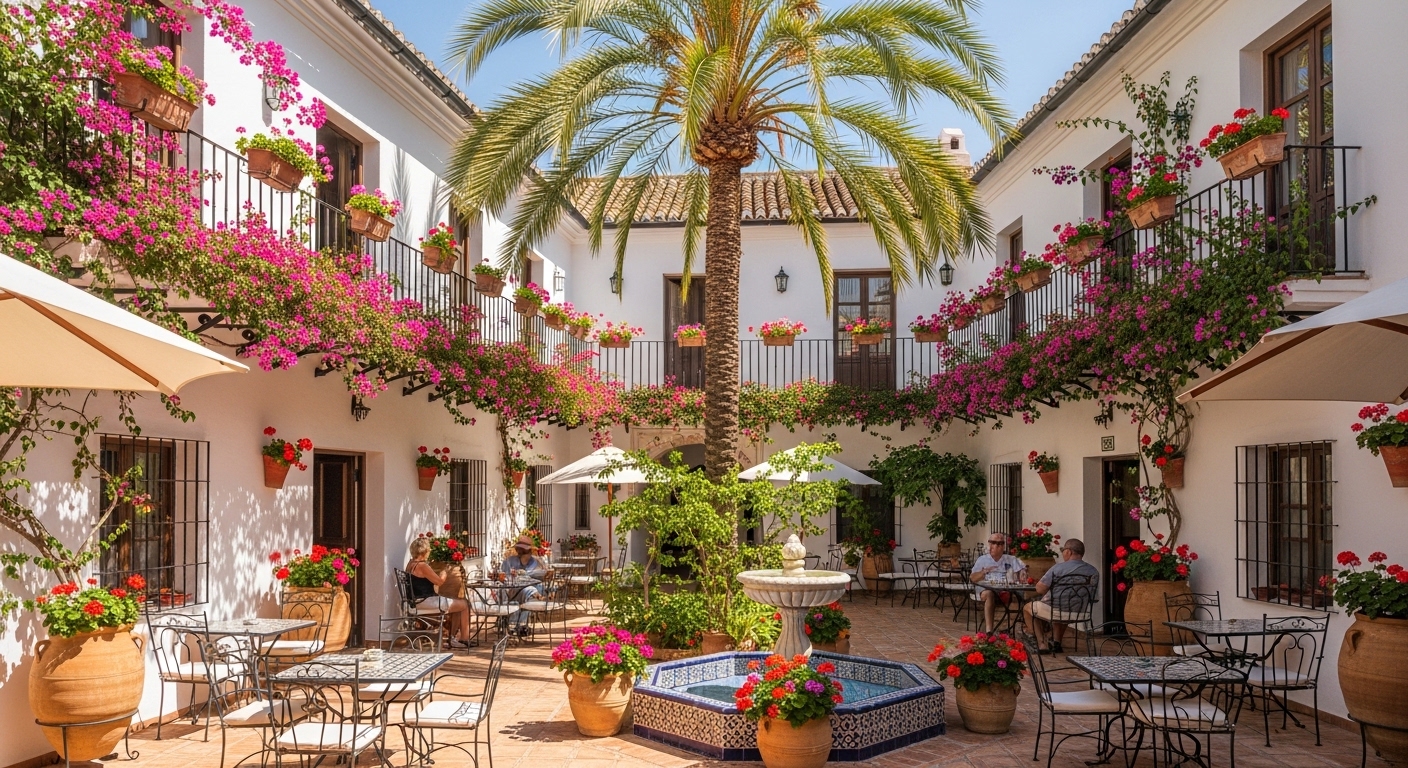
Imagine stepping into an inn where the air is naturally cool, soft breezes circulate effortlessly, and you hardly need a fan or air conditioner. Welcome to the world of wind-cooled courtyard inns: passive design you can feel. These architectural gems harness natural ventilation, courtyard layouts, and smart orientation to create comfortable, sustainable spaces that celebrate both tradition and innovation.
Unlike conventional hotels that rely heavily on mechanical cooling, wind-cooled courtyard inns use passive design principles to make the indoor environment pleasant while reducing energy consumption. From historic desert lodges to modern eco-resorts, these inns show how clever architecture can provide comfort, beauty, and sustainability in one package. Wouldn’t it be amazing to experience a place where architecture itself keeps you cool?
The Science Behind Wind-Cooled Courtyards
Wind-cooled courtyard design relies on principles of natural ventilation, thermal mass, and strategic airflow. By arranging rooms around a central open courtyard and positioning openings to take advantage of prevailing winds, architects can channel air to circulate efficiently through the inn. Thick walls made of adobe, stone, or clay absorb heat during the day and release it slowly at night, keeping interiors cooler.
These techniques are often combined with shaded walkways, water features, and greenery. Water fountains and pools create evaporative cooling, while trees and trellises provide shade and diffuse sunlight. The result is a comfortable microclimate that allows guests to enjoy indoor and outdoor spaces without artificial cooling.
Historical Roots and Cultural Significance
Many traditional courtyard inns, from Moroccan riads to Persian caravanserais, were designed with passive cooling in mind. In desert and hot-climate regions, these designs evolved over centuries to maximize comfort without electricity. Courtyards were not just functional—they were central to social life, gatherings, and hospitality.
In places like Morocco and Iran, traditional wind-cooled courtyard inns remain vibrant. Travelers can experience the gentle movement of air, dappled sunlight, and the soothing sounds of water, all contributing to a unique sensory experience. Could passive design be the secret ingredient missing from modern hospitality?

Modern Adaptations of Wind-Cooled Courtyards
Contemporary architects and eco-resorts are reviving the principles of courtyard design in modern settings. Using computational fluid dynamics and climate-responsive strategies, new inns integrate glass, natural ventilation, and landscaping to optimize airflow and comfort. This approach reduces energy consumption dramatically compared to conventional air-conditioned hotels.
For instance, in Thailand, several boutique resorts have incorporated open courtyards, angled roofs, and shaded gardens to achieve natural cooling in humid climates. Guests enjoy outdoor courtyards, breezy corridors, and rooms that stay comfortably cool throughout the day, demonstrating that passive design is both sustainable and luxurious.
Benefits of Wind-Cooled Courtyard Design
The advantages of this design extend beyond comfort:
- Energy Efficiency: Less reliance on air conditioning lowers electricity usage, carbon footprint, and operational costs.
- Health and Comfort: Fresh air circulation reduces indoor pollutants and humidity, improving respiratory health.
- Connection to Nature: Open courtyards, greenery, and water features create a sensory link to the environment.
- Aesthetic Appeal: Courtyards offer architectural beauty, tranquil views, and spaces for social interaction.
Would you choose a stay at a wind-cooled courtyard inn over a conventional hotel if it meant better comfort and a smaller environmental footprint?
Notable Examples Around the World
Several iconic wind-cooled courtyard inns highlight the versatility of passive design:
- Riad Yasmine, Marrakech, Morocco: A restored Moroccan riad with a central courtyard, water fountain, and shaded terraces offers guests natural cooling and serene ambiance. Visit Morocco Tourism for more.
- Shah Abbas Caravanserai, Isfahan, Iran: Historic inn with wind towers and central courtyard providing cooling in desert heat, combining tradition with comfort.
- Eco Boutique Resort, Chiang Mai, Thailand: Modern resort integrating courtyard design, native landscaping, and angled roof structures to optimize airflow in tropical climates. Check Thailand Tourism for details.
- Desert Lodges, Rajasthan, India: Courtyards with water features, thick walls, and shaded verandas naturally cool interiors while reflecting local heritage.
- Andalusian Patio Inns, Spain: Whitewashed walls, tiled floors, and central courtyards provide refreshing air movement in hot Mediterranean climates.
Design Features You Can Feel
Visitors notice passive design in multiple ways. Cool breezes flowing through corridors, shaded nooks in courtyards, and the subtle evaporation of water features all create a tangible experience. Unlike mechanical cooling, these sensations are dynamic and respond to the environment, offering a connection to natural rhythms of wind, sun, and shade.
Every step through a courtyard shows how orientation, material choice, and landscaping influence comfort. Have you ever stepped into a space and instantly felt cooler without touching a fan or air conditioner? That’s the power of passive wind-cooled design.

Challenges in Implementing Wind-Cooled Courtyards
Despite their advantages, courtyard inns face challenges:
- Climate Limitations: Extremely humid or windless regions require hybrid solutions with minimal mechanical cooling.
- Urban Constraints: Dense cities with limited space may struggle to include open courtyards.
- Maintenance: Courtyards, water features, and greenery require ongoing upkeep to ensure airflow and comfort.
Nonetheless, architects worldwide are finding innovative ways to overcome these challenges while keeping energy consumption low and enhancing guest experiences.
The Future of Passive Wind-Cooled Inns
As travelers demand sustainable and comfortable stays, wind-cooled courtyard inns are gaining attention. Advances in material science, landscape design, and climate-responsive architecture are enhancing performance while retaining aesthetic and cultural value. In the future, more boutique hotels, eco-resorts, and urban accommodations may adopt passive courtyard design, offering guests an experience that’s both refreshing and environmentally responsible.
Would you plan your next stay at a courtyard inn designed to use nature itself for cooling? How important is sustainable comfort in your travel choices?
Follow WentWorld.com on social media for more inspiring travel stories and unique architectural experiences around the globe.
Catch up on the top stories and travel deals by subscribing to our newsletter!