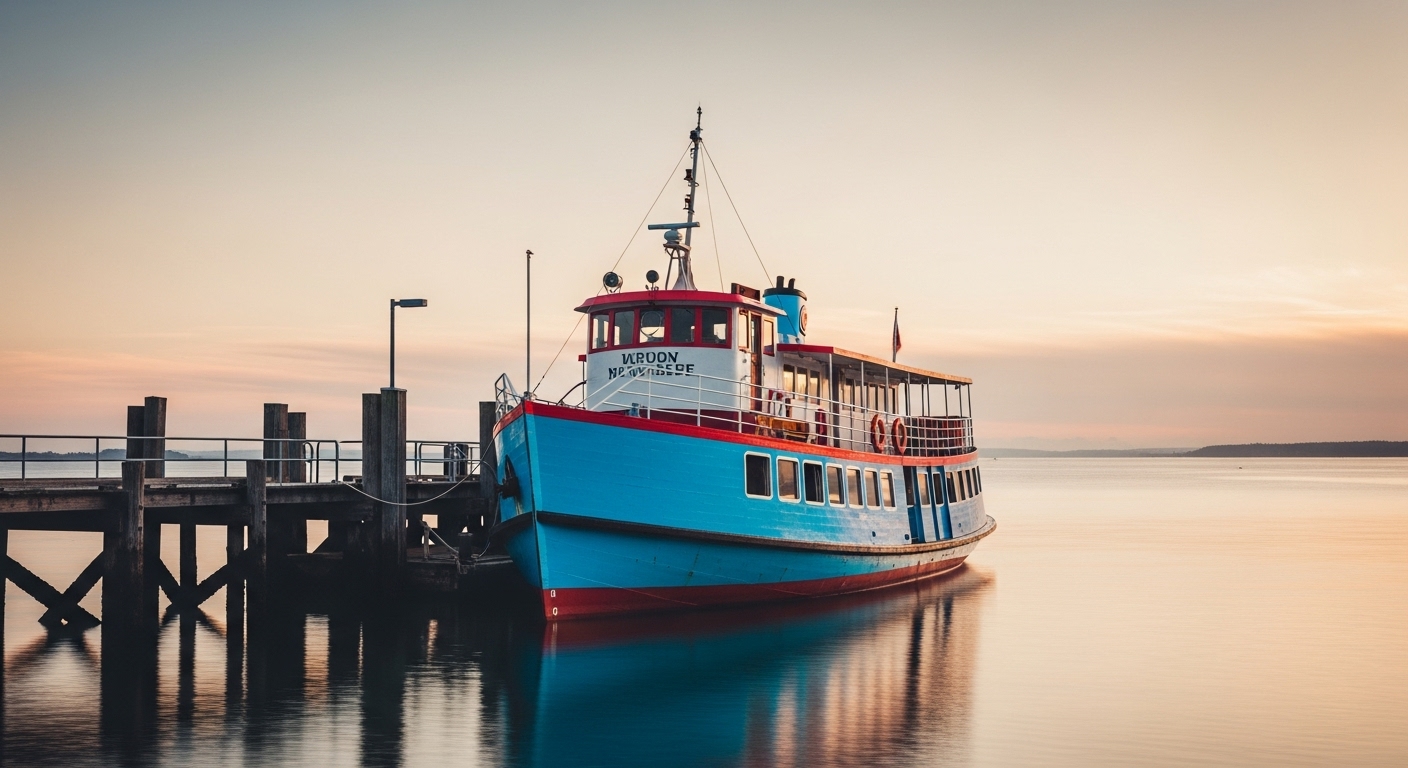
Ever wondered how to hop between stunning islands and coastal towns in Southeast Asia without sweating over schedules, safety, or hidden charges? This guide dives into ferry travel in Southeast Asia—covering ferry types, booking tips, safety advice, seasonal factors, and unforgettable experiences. We’ve packed it with real stories, budget hacks, and insider questions—so feel free to chime in with your ferry adventures or tricky moments.
We’ll unravel mainland-to-island crossings and remote archipelago journeys, spotlighting Thailand, Indonesia, the Philippines, Vietnam, and Malaysia. We’ll explain ticket options, comfort levels, passenger etiquette, and your best smartphone sidekicks. By the end, you’ll feel ready to ride the waves with confidence.
1. Understanding Ferry Types and Routes
Not all ferries are equal. In Southeast Asia, you’ll find high-speed catamarans, roll-on/roll-off (RoRo) ferries for vehicles, wooden trading boats, and overnight sleeper vessels. For example, Thailand’s catamaran services link Phuket to Koh Phi Phi in 1.5 hours, while Vietnam’s RoRo ferries move trucks and travelers between Ho Chi Minh and Phu Quoc.
Knowing what each ferry offers is key when planning ferry travel in Southeast Asia. Fast catamarans cost more but save time; RoRo ferries are affordable and practical if you carry a motorbike or rent one. Wooden boats may feel rustic but shine for short trips between islands.
2. When to Book: Smoothing Out the Waves
Schedules vary by season. In dry months (November–April), services run frequently. But monsoon seasons lead to cancellations or rough seas. For instance, in the Philippines, ferries between Cebu and Siquijor slow down or halt during typhoon season. Always check schedules 2–3 days ahead, and book the night before for popular routes.
For major routes—like Bali to Lombok—reserve online early, especially in peak season (July–August). Smaller routes often sell at local ticket booths early in the day. Keeping tabs helps you avoid missing that 7 AM crossing you counted on.
3. What to Bring (No, You Don’t Need a Suitcase)
Pack smart. You often carry your own bags from ticket desk to ferry, so use a backpack or duffel that’s easy to move. Bring a waterproof dry bag for electronics, sunscreen, snacks, refillable water bottle, wet wipes, and motion-sickness pills if you get queasy—or spicy ginger candy to help. A small travel towel for splashy decks helps too.
If you’re on an overnight ferry, bring a sleeping mask, compact pillow, and toothbrush. Traveling light makes wait lines, boarding ramps, and deck access much easier during ferry travel in Southeast Asia.
4. Safety Tips and What to Expect Onboard
While ferries are reliable, it’s wise to check their maintenance and safety history. Look for seat belts, life jackets, and working crew. Brands like Lomprayah in Thailand or 2Go in the Philippines are reputable. Avoid unlicensed operators—even if prices seem tempting.
Disembark calmly, stay near the crew’s instructions, and don’t climb on the hull or let children run freely on decks. Pay attention during safety briefings. If no announcement comes, ask crew for life jacket location. These simple acts make ferry travel in Southeast Asia both safe and smooth.

5. Savoring the Ride: Local Experiences & Cultural Moments
Ferries offer more than transport—they’re mini cultural hubs. Vendors often walk the deck selling fresh fruit, snacks, coffee, and local crafts. Take the time to try a grilled banana cake in Vietnam, or sip Vietnamese coffee while watching rice paddies from the deck before departure.
You’ll also connect with locals—students commuting, fishermen returning with their day’s catch, or monks on pilgrimage. Ask politely to take their photo or share a smile; ferry travel often yields spontaneous cultural connections you wouldn’t get on planes or buses.
6. Navigating Weather and Sea Conditions
Weather can be unpredictable. Always check forecasts and monitor local monsoon reports. Calm seas make the journey easy, but choppy waters can be rough, so plan buffer days. If seas swell, consider switching to smaller high-speed boats or rescheduling.
During ferry travel in Southeast Asia, always sit mid-ship if waters are choppy—that’s where the movement is least. If vertigo sets in, face forward, close your eyes, and breathe calmly. Dawn departures often offer gentler seas and scenic light for photos.
7. Affordable vs. Comfort Options
Ferries are priced competitively. Budget ferries cost $5–$20 for a few hours, but may be crowded and basic. Premium options include air-conditioned seating, ac cabins, meals, and restrooms. Overnight sleeper cabins range from dorm bunks to private rooms, starting around $25.
If you’re undertaking multi-leg trips—say Koh Samui to Koh Tao to Koh Phangan—opt for tourist-class tickets that bundle ferry rides with bus transfers. These tend to be more convenient and sometimes priced under $50 total.
8. Booking Tips & Avoiding Scams
Online booking portals like 12Go Asia, BookAway, and direct ferry company sites are reliable. However, local booths sometimes add “service fees” or inflate prices for foreign passports. Know the local rate ahead of time, and consider paying in local currency.
Check for name matching on tickets, keep them with you (not the luggage) during travel, and verify schedules on boarding day. Watch out for placeholders—like “one-way” that silently expires after 24 hours. When in doubt, ask—a local travel agent can confirm schedule legitimacy.
Real Stories: Ferry Crossings That Surprised and Delighted
“My Vietnam surprise”: I thought the Ho Chi Minh–Phu Quoc ferry would be a standard day trip. Instead, I found seagrass farms and limestone islands drifting by, with the boat slowed for dolphins hopping nearby.
“Thai island dawn”: I boarded the Surat Thani to Koh Tao ferry at 5 AM, sat on the deck under an orange sunrise, and bonded with other travelers in hushed storytelling—no cab rides, just connection.
Mastering ferry travel in Southeast Asia means blending preparation with openness: know your route and refund policies, secure your essentials, and keep your senses open to scents, stories, and sunsets between islands. What’s your most unforgettable ferry journey? Or your worst weather moment at sea? Share your stories below—and don’t forget to follow us on social media for more travel deep dives and local insights.
Catch up on the top stories and travel deals by subscribing to our newsletter!