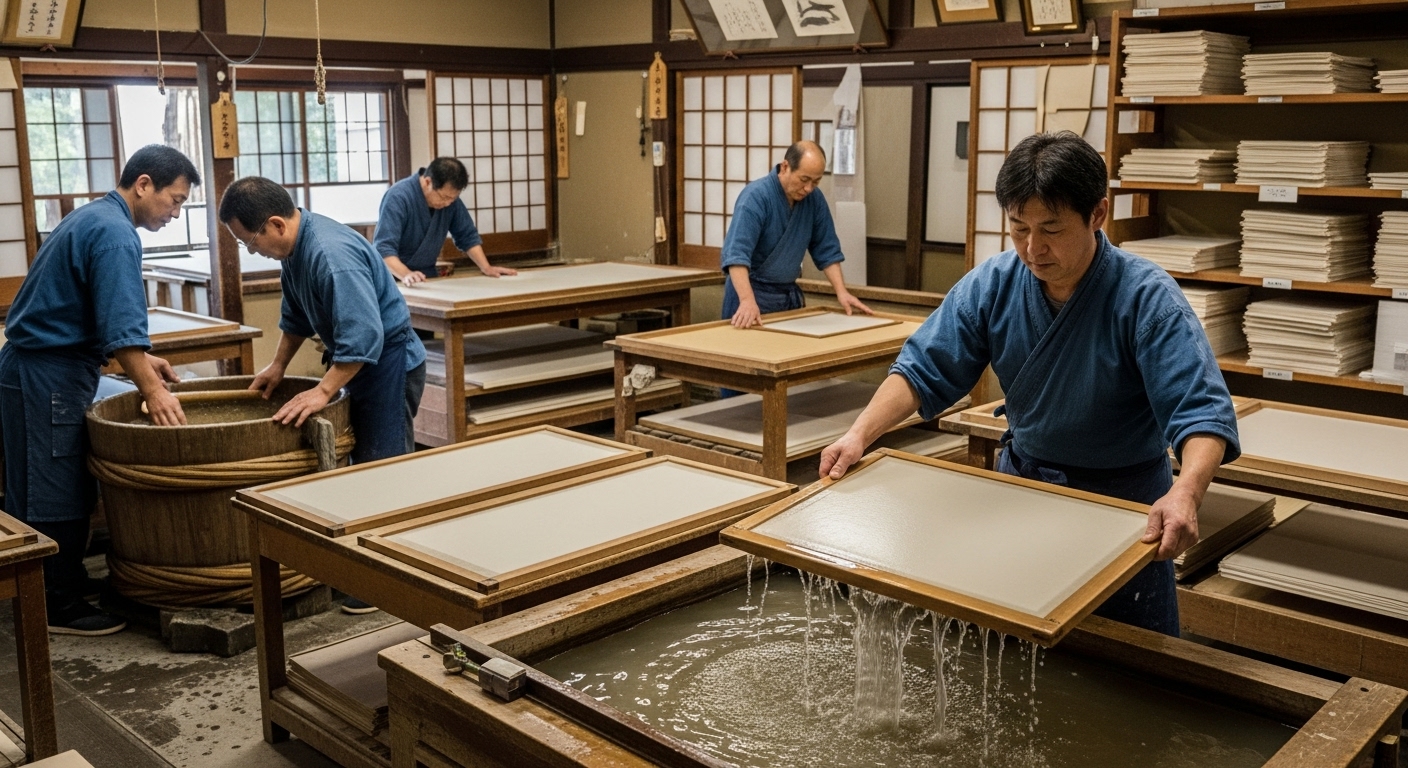
There is something incredibly poetic about watching ink meet paper. That quiet moment when ideas become visible, history becomes traceable, and human creativity leaves behind a permanent mark. Long before digital screens ruled our lives, villages known for paper-making and calligraphy quietly preserved the soul of communication. Even today, these artistic villages continue to breathe life into traditions that shaped the way humanity records stories, faith, law, and imagination.
If you’ve ever held handmade paper and felt its texture beneath your fingers, you already know it carries something machines can never produce—character. And when paired with the elegance of calligraphy, it becomes living art. Across the globe, small villages dedicate their entire identity to this ancient union of paper and pen. These villages are not just tourist destinations; they are living museums, creative sanctuaries, and quiet revolutions against mass production.
Have you ever wondered where the paper beneath historic manuscripts was born? Or where master calligraphers still dip their brushes into ink just as their ancestors did centuries ago? Let’s journey together through villages known for paper-making and calligraphy, uncovering their stories, secrets, struggles, and surprising relevance in the modern world.
The Magical Marriage of Paper and Calligraphy
Before diving into specific places, it’s essential to understand why paper-making and calligraphy are inseparably connected. Calligraphy is more than beautiful handwriting—it is the visual expression of language. Without quality paper, this art would lose half its beauty and durability.
Paper determines how ink spreads, how lines form, and how long words endure. Handmade paper absorbs ink differently, offering textures that machines cannot replicate. This is why traditional calligraphers still seek out handmade paper produced in villages known for paper-making and calligraphy. It’s not nostalgia—it’s quality.
In many cultures, the act of writing itself is sacred. From Chinese brush calligraphy to Arabic script, Japanese shodo, and medieval European manuscripts, paper and ink have always been vessels of spirituality, power, and identity.
Why These Villages Still Matter in the Digital Era
You might ask, in a world driven by keyboards and cloud storage, why do these villages still matter? The answer is simple: authenticity never loses value. While technology makes things faster, it often strips away soul. Handmade paper takes time. Calligraphy takes patience. Both demand presence, focus, and skill. These qualities quietly rebel against our culture of speed.
Villages known for paper-making and calligraphy don’t just preserve old techniques—they teach us how to slow down, be intentional, and respect craft. Artists, designers, writers, historians, and spiritual seekers from all over the world travel to these villages to reconnect with tactile creativity.
Would you rather send a digital greeting that disappears with a screen swipe—or a handwritten letter on handmade paper that someone may treasure for decades?
Famous Villages Known for Paper-Making and Calligraphy Across the World
Let’s explore some of the most remarkable villages where paper and calligraphy still shape daily life.
Fenghuang and the Ancient Paper Roads of China
China, the birthplace of paper, remains the heart of this ancient craft. Deep in regions such as Anhui and Hunan, villages continue producing Xuan paper—considered the gold standard for Chinese calligraphy and painting. The process involves rice straw, bark, natural lye, and flowing water. It can take weeks just to prepare one batch.
In these villages, paper-makers work in silence, guided by generations of inherited knowledge. Nearby, calligraphy schools train students in brush pressure, stroke flow, and rhythmic breathing. Entire communities exist around ink, paper, and patience.
These are not tourist gimmicks. These are working artistic economies. Would you believe that some master calligraphers refuse to write on anything except handmade village paper?
Mino Village, Japan: Paper as a National Treasure
In Japan, washi paper is a UNESCO-recognized cultural heritage, and Mino Village stands as one of its most important hubs. Mino washi is thin yet resilient, translucent yet strong. It has been used for everything from calligraphy scrolls to architectural shoji screens.
The entire village breathes paper. Even modern buildings incorporate washi into their design. Young apprentices learn by watching elders—no shortcuts, no machines. Calligraphy studios line the narrow streets, where artists practice shodo with deliberate precision.
Here, kids grow up understanding fiber direction, water temperature, and ink density before they even learn digital typing.
Fabriano, Italy: Europe’s Paper Capital
Fabriano is one of Europe’s oldest centers of paper-making, dating back to the 13th century. It revolutionized Western paper production by introducing watermarks and cotton-based paper. Even today, Fabriano paper is considered premium for artists and calligraphers.
The village hosts museums, artisan workshops, and calligraphy schools where Latin, Gothic, and Renaissance scripts are still practiced. Walking through Fabriano feels like stepping into a living manuscript.
Isn’t it fascinating how a quiet Italian town still influences global art supply markets?
Sanganer, India: Paper, Ink, and Royal Script
Sanganer, near Jaipur, is famous for handmade paper and Mughal-style calligraphy. Traditionally supplying royal courts, Sanganer paper is made from recycled cotton rags, making it eco-friendly long before sustainability became trendy.
Islamic calligraphy flourishes here, with verses written using bamboo pens and natural inks. The tactile softness of Sanganer paper allows intricate detailing that machine paper simply cannot support.
Calligraphers from around South Asia seek this paper for Qur’anic manuscripts and wedding invitations.

What Makes These Villages Unique Economically and Culturally
Villages known for paper-making and calligraphy operate very differently from industrial economies. There are no overnight profits. Instead, wealth is measured in skill depth, artistic reputation, and generational wisdom.
Every family typically specializes in one stage of production—fiber processing, sheet forming, drying, cutting, or calligraphy itself. This interdependence creates tightly woven social bonds. When paper sells, everyone benefits.
Culturally, these villages function as artistic sanctuaries. Festivals often revolve around writing competitions, ink ceremonies, and art exhibitions. Children grow up witnessing creativity treated as an honored profession—not a hobby.
The Spiritual Side of Calligraphy Villages
In many cultures, calligraphy is not merely decorative—it is devotional. In Islamic regions, the written word of God is honored through calligraphy. In East Asia, brush writing is considered meditation. Every stroke is a breath. Every line is discipline.
This spiritual depth is deeply embedded in villages known for paper-making and calligraphy. The silence of the workshops, the rhythmic lifting of paper sheets from water, the careful grinding of ink—all feel almost sacred.
Have you ever noticed how writing by hand feels different from typing? There’s a reason for that.
Modern Threats Facing These Ancient Villages
Despite their beauty and importance, these villages face serious threats. Cheap mass-produced paper has flooded markets. Digital communication has reduced consumer demand. Young generations often migrate to cities seeking faster financial growth.
Some villages are shrinking. Some workshops close silently every year. Without tourism, grants, and global awareness, many of these art forms risk fading into museums rather than living practice.
This raises an important question—what kind of world do we want to preserve for the future: one dominated by convenience or one enriched by craftsmanship?
How Tourism is Reviving Paper and Calligraphy Villages
The good news is that conscious tourism is reviving many villages known for paper-making and calligraphy. Travelers today seek experiences, not just destinations. They want to touch, learn, and create. Calligraphy workshops, paper-making classes, artist residencies, and cultural homestays now attract visitors worldwide. These visitors don’t just buy souvenirs—they invest in tradition.
An artist from New York learning washi in Japan. A historian from Turkey studying parchment techniques in Italy. A designer from Pakistan exploring handmade paper in India. The cultural exchange is rewriting survival stories.
Why Artists and Designers Prefer Handmade Paper Today
In an age of oversaturation, handmade paper offers uniqueness. Each sheet is slightly different. Each texture tells a story. For designers, this means originality. For calligraphers, it means control.
Luxury brands now commission handmade paper for packaging. Authors release limited-edition books on artisan paper. Wedding invitations, certificates, heritage documents—all benefit from the prestige of handmade craftsmanship. Villages known for paper-making and calligraphy are no longer outdated—they are premium.

The Emotional Connection We Have With Paper
Think about it. Your birth certificate. Love letters. Academic degrees. Old diaries. Even today, our most important memories still live on paper.
Paper holds emotion in ways screens cannot. It yellows with age. It absorbs perfume. It tears when handled carelessly. It forgives ink mistakes with scars. This emotional relationship is exactly what keeps calligraphy and handmade paper alive. When a calligrapher writes your name on handmade paper, it’s not merely ink—it’s intention.
Education in Calligraphy Villages
Many of these villages now run formal and informal academies where students learn not just writing styles but paper science, chemistry of ink, brush construction, and history of scripts.
Students practice for years before their handwritten strokes are considered professional. This slow learning process builds discipline in a world addicted to instant results. Would modern education benefit from such patience-based learning methods?
What the Future Holds for Villages Known for Paper-Making and Calligraphy
The future is uncertain, but hopeful. With rising demand for handmade products, sustainability, slow living, and personalization, these villages have newfound relevance. What they need now is continued global support, documentation, and storytelling. Every time someone buys handmade paper instead of factory stock, a village breathes a little easier. Every time someone enrolls in a calligraphy class, a tradition strengthens. The survival of villages known for paper-making and calligraphy ultimately depends on us—the consumers, travelers, artists, and storytellers.
Villages known for paper-making and calligraphy teach us that progress doesn’t always mean replacement. Sometimes, it means preservation. These villages are not frozen in time—they are evolving with grace. As you read this, ask yourself: when was the last time you wrote something meaningful by hand? When did you last touch paper that wasn’t machine-perfect?
If this blog made you think differently about paper, writing, and tradition, we’d genuinely love to hear your thoughts. Have you ever visited a paper-making village? Would you like to? Which country fascinates you the most when it comes to calligraphy traditions?
Share your experiences, questions, or dreams in the comments—we read every single one. To keep discovering hidden cultural gems, ancient crafts, and timeless travel stories like this, make sure you follow us on our social media platforms and become part of the WentWorld journey.
Catch up on the top stories and travel deals by subscribing to our newsletter!