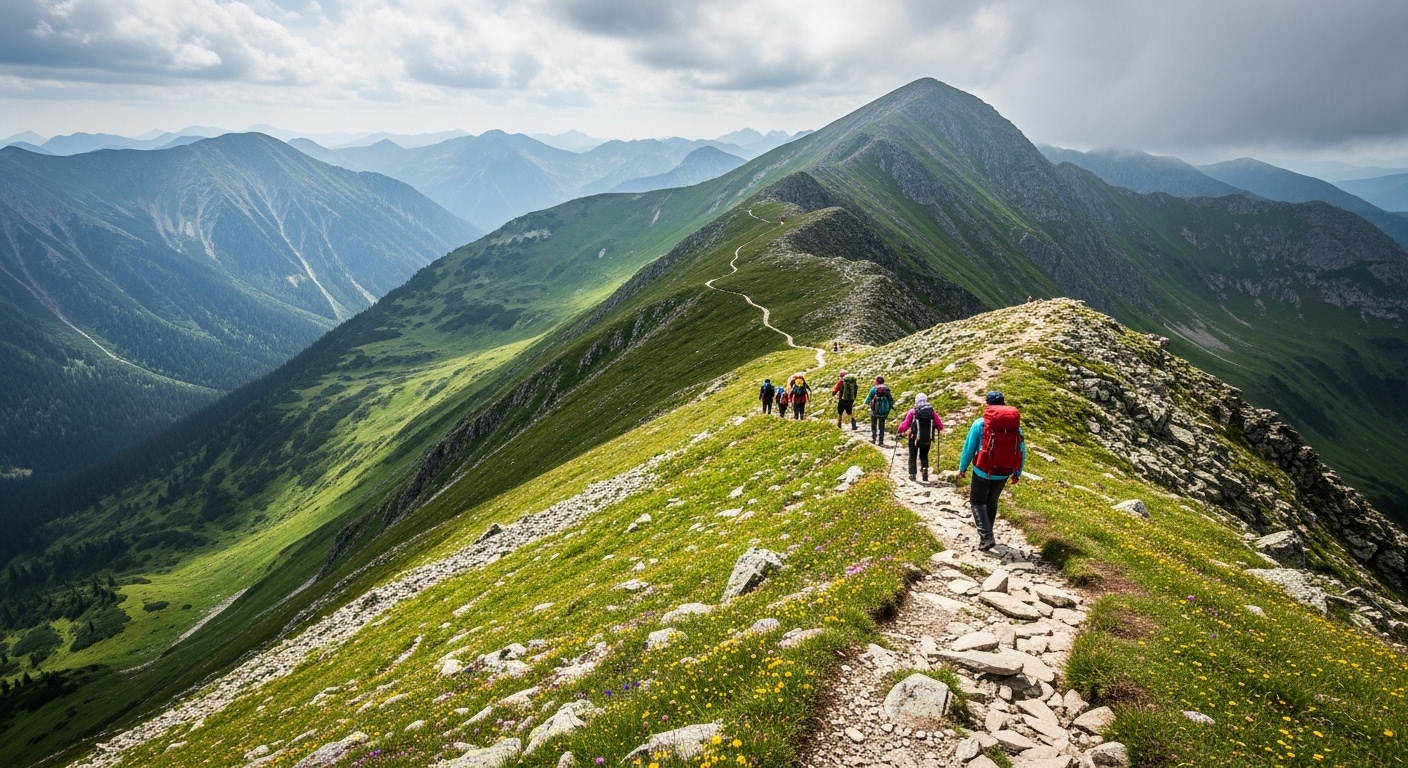
Imagine setting out at dawn and walking from one country into the next—crossing invisible lines but never stopping your footsteps. This is the magic of borderless trails, where nature doesn’t acknowledge political boundaries, and your journey makes them irrelevant. These hikes immerse you in changing landscapes, cultures, and terrains—all within a single route.
Borderless trails appeal to hikers who crave wild authenticity: stepping over a stream that marks a border, greeting locals in two languages before lunch, and waking in a campsite half in one nation and half in another. In this comprehensive guide, we’ll traverse Europe, Asia, Africa, and the Americas, uncover tips for planning, gear ideas, etiquette advice, and unforgettable stories from real hikers who found more than a view—they found unity across boundaries.
1. Why Borderless Trails Matter
It’s more than a scenic hike. Borderless trails challenge our understanding of place, identity, and belonging. They highlight cooperation between governments—shared conservation efforts, maintenance, trail signage in dual languages. And they remind hikers how arbitrary maps can be when held up to nature’s continuity.
These routes often pass through remote areas—mountain ridges, forests, lakes—that would otherwise be inaccessible without crossing borders. The experience becomes richer when you’re carrying both a passport and your sense of exploration. Borderless trails become storytelling corridors, blending ecosystems and cultures into a single adventure.
2. European Wonders: Tête de l’Est to Italy
One iconic borderless trail runs from France’s Tête de l’Est, weaving across the Jura Mountains, into Switzerland and Italy. The path travels alpine meadows, pastoral valleys, and rugged ridges. Hikers start beneath French chalets, break for fondue in a Swiss hamlet, and end above Italian vineyards. Trail markers show distances in kilometers and miles, and you’ll cross at least two customs-free checkpoints that blend without fuss.
Thanks to the Schengen Area, border stamps aren’t necessary, but you’ll still feel the transition—from French teas to Swiss chocolate to Italian espresso—all within a 30–kilometer hike. It’s a perfect example of borderless trails that feel both new and reassuringly familiar.
3. Asia’s Hidden Shortcut: Mount Gede Pangrango
In Southeast Asia, the highlands near the Sunda Shelf offer lesser-known borderless trails. A path crosses between Indonesia and Malaysia at Mount Gede Pangrango, through lush tropical forests, mountain ridges, and cloud-forest ecosystems. You might wake to orangutan calls and later lunch with Malaysian villagers selling nasi lemak.
Forest rangers patrol both sides to protect wildlife, and teak bridges lock together national reserve boundaries. Though documentation (permits) varies, the path—once passed—allows you to walk freely, enjoying coffee near the border marker before descending back into one nation entirely.

4. North America’s Continental Drift: The Appalachian Trail Extension
While the U.S.-Canada border is usually straight and governed, shared stewardship of protected lands has led to informal extension trails. Hikers can trek from Maine’s Baxter State Park into New Brunswick, Canada, as part of extended hikes through the Northern Appalachians.
These are not as celebrated as their U.S. Southern counterparts, but crossing into Canada mid-hike encourages deeper camaraderie. Rangers from both countries meet on shared ridges, offering water and maps. There are no customs checks along the trail—just wildlife and wilderness—making it a true example of borderless trails enabling continental connection.
5. African High Altitude Bridge: Kilimanjaro to Mount Meru
Two volcanic giants in Tanzania—Mount Kilimanjaro and Mount Meru—don’t actually share an international border, but local Maasai guide-led trails do cross zones traditionally traversed freely. Communities around the Usambara and Pare Mountains use footpaths for trade with Kenyan counterparts, effectively creating cross-border passages without formal gates.
Hikers can follow these routes with local guides, and while permits are Tanzania-only, the cultural experience includes visiting Maasai villages, trading stories across ancestral lines, and watching sunrise from trails shaped by centuries of mobility. These African borderless trails reflect fluid human geography more than political boundaries.
6. South American Adventure: The Pantanal Wetlands
South America offers wetlands that stretch across Brazil, Bolivia, and Paraguay. In the Pantanal, guided canoe and foot treks can span two countries in a week—with local river towns welcoming you on either side. You may start your trek in Brazil, cross to Paraguay over floating bridges, and finish in bolivian lodge trails—walking where cattle ranch borders matter less than river rhythms.

Permits depend on each country, but guides handle logistics. What you experience is borderless: marshes, caiman, capybara, and local folklore—that ignore international boundaries. That’s borderless trails in the wild—a waterway route that unifies ecosystems, wildlife, and people.
7. Europe’s Alpine Crossing: the Via Alpina Route
The extensive Via Alpina links trails across eight countries, but one segment—between Austria, Slovenia, and Italy—exemplifies boarderless trails in action. You traverse alpine alpine meadows, then cross from Austrian huts into Slovenia’s Triglav National Park, before entering Italy’s Dolomites region. Once-permitted passport stamping disappears along the way, but trail signs tell you when you’ve entered a new region.
This route is popular among multi-day trekkers who relish spending mornings in Austria, afternoons in Slovenia for lunch, and nights sleeping near Italian sorbets. The trail is well marked, with mountain passes above 2,000m, offering sunrise views regardless of borders.
8. Europe’s Lesser-Known Tri-Border Trek: Wurmberg–Harz–Saxony
In central Germany, one hiking loop traces the Harz Mountains and crosses into former East and West Germany zones—not between countries, but across political zones that once served as an internal border. Though today it’s a unified Germany, the trail traces fences, watchtowers and Cold War relics. This is a symbolic form of borderless trails—where hikers experience once-divided countries reunited in solitude.
Each trail segment features historical markers. Uphill, you reach watchtowers that once monitored “escape,” and descend through forests now freed from division. The path is a poignant reminder that borders can vanish, leaving peace and paths that stitch landscapes together.
9. How to Plan a Borderless Trail Hike
These hikes carry complexity. Prepare meticulously:
– Passport and visa: know crossing permit requirements. While some trails don’t require stamps, governments may demand official permits.
– Local guides: hire local guides—many cross-border trails aren’t marked for tourists. They also translate, help with customs, and share story-packed oral history.
– Trail logistics: plan basecamp and exit options on both sides. Trailheads may face different weather or run-off seasons.
– Insurance and rescue: ensure your policy covers cross-border rescues. You may need evacuation in remote terrain.
– Gear: pack layers for varying altitude. Carry water purification—streams don’t follow national lines. Map offline: GPS often loses signal near ridge lines.
10. Etiquette, Conservation & Respect
These trails mean more than hiking. They represent shared heritage, environmental stewardship, and political goodwill. Respect local regulations—stick to paths, don’t camp near sensitive zones, follow Leave No Trace across jurisdictions. If you pass villages, follow local norms—like greeting customs in each country, offering small donations to trail huts, and paying respect at local shrines.
Celebrate national days when you cross: singing “La Marseillaise” in France or “Lupita” in Bolivia won’t help—but respecting calendars and flags shows cultural awareness. Photographs are fine—but always ask before taking portraits in villages—especially near border guards.
11. Stories from the Trail
Maria and Thomas hiked from Switzerland into Italy near Lake Como. Thomas fell behind due to altitude; an Italian shepherd noticed and offered them cheese and cold water before speeding back down to fetch them. They didn’t realize he’d crossed an unmarked border to help. This blend of generosity transcended nationality.
On the Brazilian–Paraguayan Pantanal trip, guide Ricardo recounted looting tales when floodwaters erased borders, and communities banded together to rebuild towns on both sides. You follow his story as you canoe under poplar groves that cross nations with no patrols—reminding you that nature and human resilience can wash away walls.
On the Indo–Malaysia trail, local forest guides recited ancient border-origin songs, explaining how communities pre-dated colonial lines. Hikers noted that, at dusk, neighbors meet for coffee regardless of which national ID they hold—borderless trails here are pathways to shared storylines.
12. The Transformative Power of Hiking Beyond Borders
Walking along a path that crosses countries changes how you see borders—and yourself. You develop a sense of shared humanity as you breathe air unfiltered by politics and eat meals seasoned by tradition, not passports.
These hikes build empathy. They help you understand that borders are sometimes invisible lines in the dirt—but people live across them together. After hiking borderless trails, many travelers say they return with less fear of strangers, deeper trust in cooperation, and a stronger urge to dissolve unnecessary barriers.
Whether you’re a weekend rambling hiker or planning a month-long trek, explore borderless trails for the sense of freedom they offer. They connect ecosystems, cultures, and philosophies of open-minded belonging. Wherever you cross next, let nature—and humanity—guide your steps.
Catch up on the top stories and travel deals by subscribing to our newsletter!