Fire Mountain Villages are places where life continues on ground once shaped by flowing lava and erupting volcanoes. These communities did not abandon their land after fire reshaped it. Instead, they adapted, rebuilt, and learned how to live with landscapes born from molten rock. From black lava fields to fertile volcanic soil, fire mountain villages reveal how humans turn destruction into survival.
At first glance, living on ancient lava may sound dangerous. However, these villages prove that volcanic land can offer both beauty and opportunity. Over time, cooled lava creates rich soil, dramatic terrain, and natural protection. As a result, many fire mountain villages still thrive today. Have you ever wondered why people choose to stay where volcanoes once ruled the land?
At WentWorld.com, we explore destinations shaped by extremes. Fire mountain villages stand out because they show resilience, adaptation, and a deep respect for nature’s power.
What Are Fire Mountain Villages?
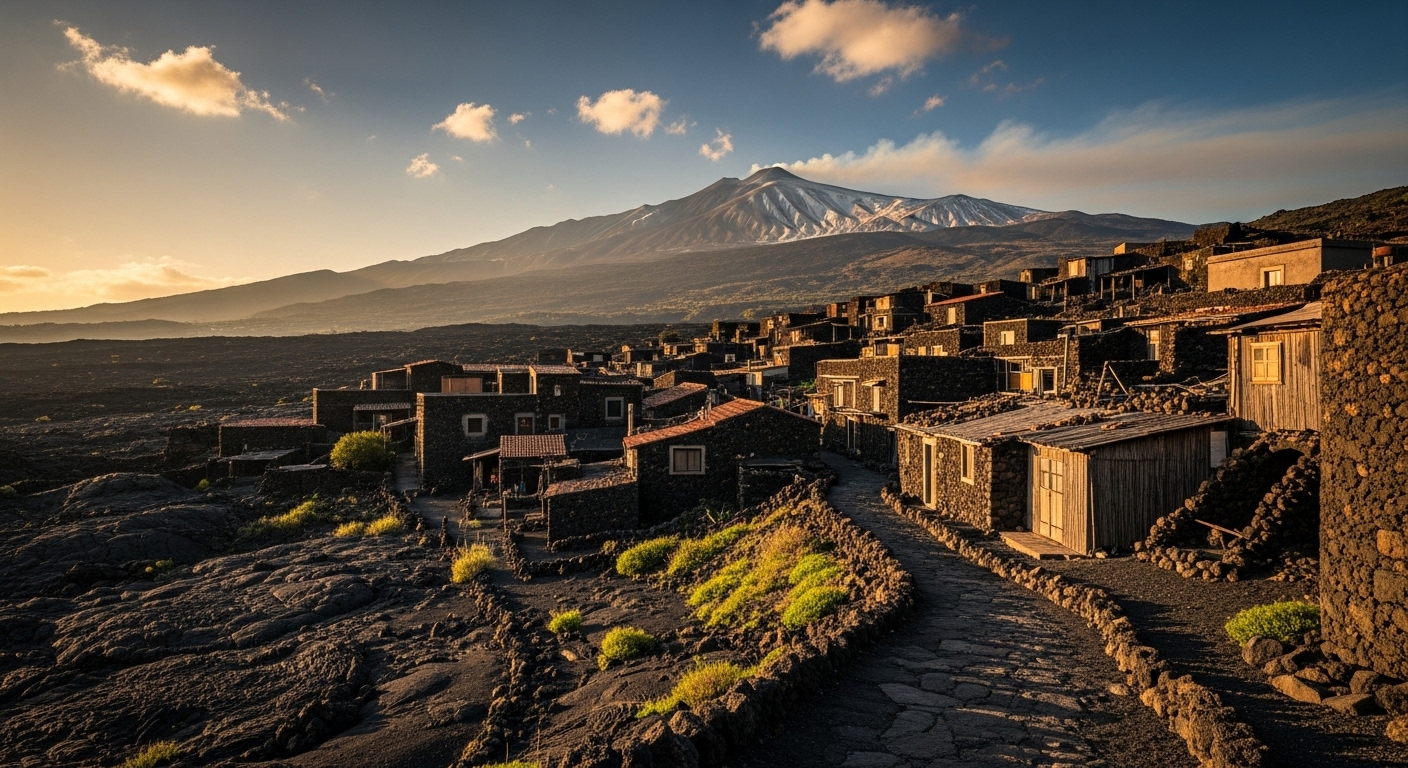
Fire mountain villages are settlements built on or near ancient lava flows, volcanic slopes, or solidified magma fields. These communities often formed after eruptions ended, when the land slowly stabilized.
Over generations, residents learned how to farm volcanic soil, build on uneven terrain, and read natural warning signs. While eruptions shaped the past, daily life now reflects balance rather than fear.
Importantly, most fire mountain villages exist near dormant or carefully monitored volcanoes. This balance allows people to live safely while benefiting from the land’s unique qualities.
Why People Continue Living on Volcanic Land
Volcanic regions offer powerful advantages. First, lava-rich soil becomes extremely fertile over time. Crops grow strong, and harvests often exceed those from non-volcanic areas.
Second, volcanic landscapes attract tourism. Visitors come to see dramatic terrain, walk on lava fields, and experience villages shaped by fire. This creates economic stability for many communities.
Finally, tradition matters. Many families have lived in these villages for centuries. Leaving would mean abandoning heritage, culture, and identity.
Italy: Villages on the Slopes of Mount Etna
Mount Etna, Europe’s most active volcano, dominates eastern Sicily. Around its slopes lie several fire mountain villages built directly on ancient lava flows.
Towns such as Zafferana Etnea and Nicolosi stand on hardened lava from past eruptions. Streets, homes, and vineyards all rest on black volcanic rock. According to Italia.it, Etna’s volcanic soil supports thriving agriculture, especially vineyards and citrus farms.
Residents live with constant awareness of the mountain. Yet, they also view it as a provider rather than a threat.

Japan: Fire Mountain Villages Near Sakurajima
In southern Japan, Sakurajima volcano remains active, yet nearby villages continue to thrive. Homes sit on layers of old lava, carefully reinforced to withstand earthquakes.
Local communities rely on volcanic soil for farming radishes, tea, and vegetables. Ash falls are common, but residents adapt daily routines around them.
According to Japan National Tourism Organization, Sakurajima represents one of the world’s most remarkable examples of coexistence between humans and an active volcano.
Hawaii: Lava-Born Communities on the Big Island
The Big Island of Hawaii showcases dramatic fire mountain villages formed after repeated eruptions. In areas near Kīlauea, neighborhoods rise on cooled lava fields.
Hawaiian lava creates porous rock, allowing rainwater to filter naturally. Over time, forests and gardens emerge where fire once flowed.
Residents accept volcanic risk as part of island life. Community preparedness and deep respect for nature guide daily living.
Iceland: Villages Shaped by Fire and Ice
Iceland’s landscape reflects a constant battle between fire and ice. Villages across the island sit atop lava plains formed by eruptions thousands of years ago.
In places like Heimaey, residents rebuilt after lava flows nearly destroyed the town in 1973. Instead of relocating, they adapted infrastructure and preserved their home.
According to Visit Iceland, volcanic activity continues to shape both land and culture.
Architecture in Fire Mountain Villages
Buildings in fire mountain villages often use volcanic stone. This material provides natural insulation and durability.
Homes are designed with thick walls, reinforced foundations, and flexible structures to withstand seismic activity. Meanwhile, roads follow natural lava patterns rather than forcing straight lines.
Architects increasingly study these villages as examples of sustainable adaptation. Insights from ArchDaily highlight how volcanic materials reduce environmental impact.
Daily Life on Ancient Lava
Daily routines in fire mountain villages feel surprisingly normal. Children attend school, markets open each morning, and festivals celebrate local traditions.
However, residents remain alert. Emergency plans, evacuation routes, and monitoring systems form part of everyday awareness.
Rather than fear, most villagers express respect. They understand the land’s power and live accordingly.

Spiritual and Cultural Meaning of Fire Mountains
Many cultures view volcanoes as sacred. Fire mountain villages often include temples, shrines, or rituals honoring volcanic spirits.
In Japan and Hawaii, volcanoes symbolize creation rather than destruction. Festivals celebrate renewal, fertility, and balance.
This spiritual connection strengthens community bonds and reinforces respect for nature.
Challenges of Living on Volcanic Land
Living on ancient lava comes with challenges. Earthquakes, gas emissions, and eruptions remain possible.
Infrastructure requires constant maintenance, and insurance costs can be high. Yet, residents accept these challenges as part of life.
Preparedness replaces panic. Knowledge passed through generations reduces risk.
Why Fire Mountain Villages Fascinate Travelers
Travelers feel drawn to fire mountain villages because they represent human resilience. Walking streets built on lava creates a powerful sense of history.
Visitors experience landscapes unlike any other. Black rock contrasts with green fields, while mountains dominate the horizon.
Would you choose to live where fire once flowed beneath your feet?
The Future of Fire Mountain Villages
As climate awareness grows, fire mountain villages offer lessons in adaptation. Their architecture, agriculture, and preparedness inspire sustainable planning.
Rather than fleeing extreme environments, these communities show how humans can coexist with them. Fire mountain villages remind us that survival often depends on respect, patience, and understanding.
Fire mountain villages tell stories written in stone, ash, and time. Built on ancient lava, they stand as living proof that humans can adapt to even the most powerful natural forces.
Would you visit—or even live in—a fire mountain village? Which volcanic region fascinates you most? Share your thoughts with us.
Follow WentWorld.com on our social media platforms for more stories about extraordinary places, resilient communities, and the hidden wonders of our world.
Catch up on the top stories and travel deals by subscribing to our newsletter!