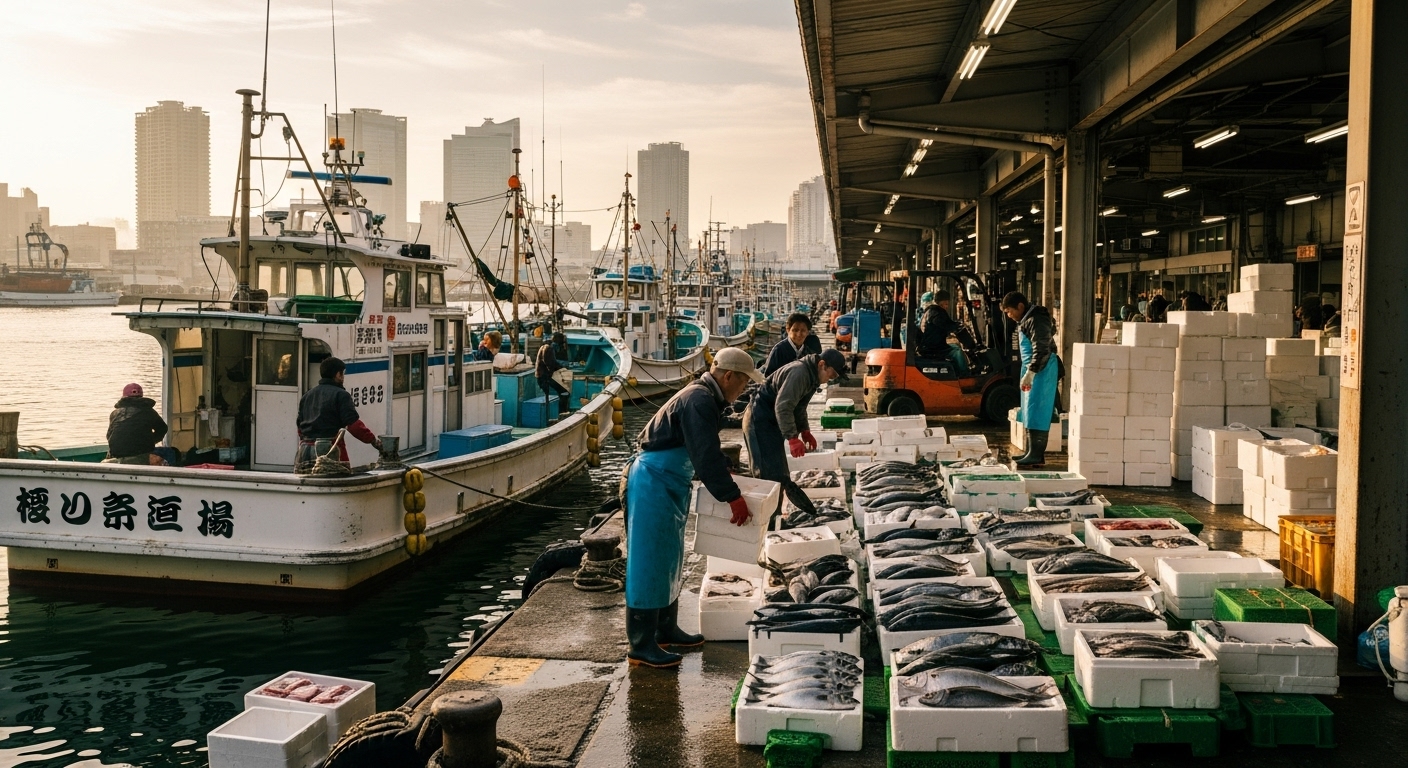
World capitals with active fishing harbors offer a unique glimpse into the daily lives of people who still rely on the sea even in the heart of a bustling city. From early morning fish auctions to colorful boats lining the docks, these harbors bring together tradition, culture, and commerce in ways you rarely see elsewhere.
Imagine standing at a harbor in the early hours, listening to seagulls and the chatter of fishermen while the city wakes up around you. The smell of fresh fish mingles with the urban air, creating a sensory experience that is both authentic and unforgettable. Have you ever visited a city where the fishing community still thrives right in the capital?
At WentWorld.com, we explore destinations where tradition intersects with modern life. Active fishing harbors in world capitals highlight how communities preserve livelihoods while adapting to urban growth.
What Makes Active Fishing Harbors Special?
Active fishing harbors are ports where commercial fishing is still a major activity. Unlike marinas for yachts or purely recreational waterfronts, these harbors buzz with the energy of fishermen preparing their boats, unloading catches, and conducting auctions.
They also serve as cultural hubs. Local markets often thrive nearby, offering fresh seafood, culinary experiences, and artisan goods. Visitors can witness the rhythm of traditional fishing life, gaining insights into the economic and social fabric of the city.
Why Visiting Fishing Harbors Is Fascinating
Fishing harbors connect us to history. Many world capitals developed around waterways that enabled trade, transport, and sustenance. By exploring active harbors, travelers experience the continuity of maritime life in a modern setting.
These harbors also showcase resilience. Fishermen navigate economic pressures, urban expansion, and environmental changes, yet the tradition continues. Observing this balance between livelihood and city growth is both inspiring and educational.
Top World Capitals With Active Fishing Harbors
1. Tokyo, Japan
Tokyo’s famed Tsukiji Outer Market remains a bustling area, even after the inner wholesale market moved. Fishermen bring in early morning catches, while vendors prepare sushi and seafood delicacies for locals and tourists.
The harbor is more than a market—it is a cultural experience. Watching the coordination of boats, auctions, and seafood preparation provides a unique perspective on Japan’s deep maritime heritage.
2. Lisbon, Portugal
Lisbon’s fishing harbor in Cais do Sodré and nearby districts remains lively. Traditional boats unload sardines, cod, and shellfish, maintaining centuries-old practices despite the city’s modernization.
Local restaurants and fishmongers thrive alongside the docks. Visiting Lisbon’s harbor gives travelers both scenic views and authentic culinary experiences.
3. Stockholm, Sweden
Stockholm’s Fiskhamnen district continues to serve commercial fishing boats. Situated amidst the city’s islands, it demonstrates a seamless blend of maritime industry and urban life.
Travelers can witness fish auctions, sample freshly caught seafood, or take boat tours. The harbor reflects how sustainable fishing practices adapt to modern urban demands.
4. Bangkok, Thailand
Bangkok’s Khlong Toei Fish Market and adjacent harbors form the backbone of the city’s seafood supply. Fishermen bring catches from nearby rivers and the Gulf of Thailand, supplying restaurants, markets, and local communities.
The market is an assault on the senses—in the best way. Shouts, smells, and vibrant colors create a living tapestry of urban fishing life.
5. Reykjavik, Iceland
Iceland’s capital maintains a working harbor where fishing is both economic lifeline and cultural identity. Reykjavik’s harbor accommodates trawlers, small boats, and seafood processing facilities, keeping the city connected to the North Atlantic.
Visitors can observe fish being unloaded, taste freshly prepared seafood, or enjoy scenic harbor walks. According to Visit Iceland, Reykjavik’s harbor is a must-see for anyone interested in maritime heritage.

Experiencing Daily Life in Fishing Harbors
Walking through an active fishing harbor, you feel the rhythm of early mornings and hard work. Fishermen prepare nets, sort catches, and communicate with buyers. The pace is brisk yet methodical, and every task reflects generations of knowledge.
For travelers, harbors offer both observation and participation. Many allow visitors to buy fresh fish directly, try local seafood dishes, or even join short boat tours. It’s a way to connect with a city beyond the typical tourist routes.
Cultural Significance of Fishing Harbors
Fishing harbors serve as more than commercial centers. They symbolize resilience, adaptation, and cultural identity. Festivals, culinary traditions, and local rituals often center around the fishing industry, preserving intangible heritage.
For example, in Lisbon, the Feast of St. Anthony celebrates fishermen and the sea, blending community, history, and celebration.
Tips for Visiting Active Fishing Harbors
- Arrive early to witness the full activity of unloading and auctions.
- Respect working areas and follow signage.
- Try local seafood dishes at nearby restaurants or stalls.
- Take guided tours if available to learn about sustainable fishing practices.
- Bring a camera—harbors are visually stunning with colorful boats, crates of fish, and lively activity.
Why These Harbors Matter for Travelers
Visiting world capitals with active fishing harbors offers a multi-sensory experience. You see, hear, smell, and even taste the results of generations of maritime tradition. It’s a glimpse of human resilience, adaptation, and continuity.
Would you wake up early to witness a bustling fish auction in a city you’re visiting? Which capital’s harbor would you explore first?
Active fishing harbors in world capitals are living museums of tradition. They remind us that even in modern urban landscapes, age-old practices continue to thrive. Observing the harmony between urban life and maritime activity is both fascinating and inspiring.
Follow WentWorld.com on our social media platforms to discover more unique travel experiences, hidden gems, and vibrant communities around the globe.
Catch up on the top stories and travel deals by subscribing to our newsletter!