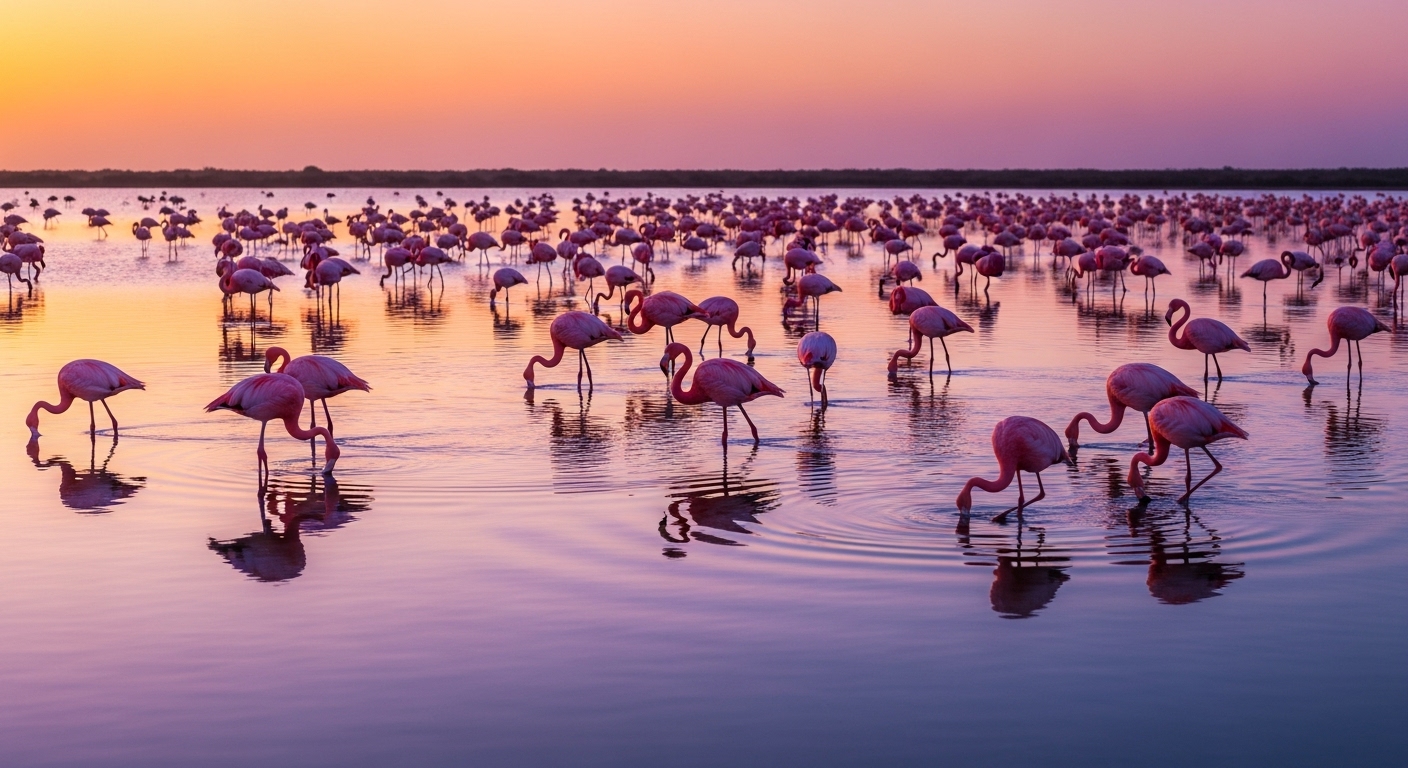
Coastal lagoons with flamingo lookouts feel like places suspended between land, sea, and sky. These shallow bodies of water often glow with soft blues and silvers, yet at certain times of year, they transform into something unforgettable. Lines of pale pink birds gather along the shore, standing quietly, feeding slowly, and turning entire horizons into living color.
Unlike zoos or enclosed reserves, these lagoons allow flamingos to live freely within fragile ecosystems shaped by tides, salt, and seasonal rhythms. Observing them from designated lookouts creates a rare balance between access and protection.
Have you ever watched wildlife move at its own pace, completely undisturbed by human schedules?
What Makes Coastal Lagoons Ideal for Flamingos
Coastal lagoons form where seawater mixes gently with freshwater, creating shallow, nutrient-rich environments. These conditions support algae and small crustaceans, which make up the primary diet of flamingos.
Because lagoons are typically calm and shallow, flamingos can feed efficiently while remaining alert to predators. Over time, certain lagoons become reliable seasonal habitats.
The Meaning of Flamingo Lookouts
Flamingo lookouts are carefully positioned observation points designed to minimize disturbance. Raised platforms, distant trails, and natural barriers allow people to watch without entering sensitive feeding or nesting zones.
Coastal lagoons with flamingo lookouts show how tourism and conservation can coexist when design respects animal behavior.
Camargue Lagoon System in France
The Camargue region in southern France hosts one of Europe’s most famous flamingo populations. Its coastal lagoons and salt flats attract thousands of birds each year.
Designated lookouts allow visitors to observe flamingos against wide, reflective waters and open skies. Information about conservation and access is available through Camargue Regional Park.

Walvis Bay Lagoon in Namibia
Walvis Bay is one of Africa’s most important coastal lagoons for flamingos. Both greater and lesser flamingos gather here, sometimes numbering in the tens of thousands.
The lagoon’s calm waters and abundant food sources make it a year-round habitat. Elevated viewpoints along the shoreline offer sweeping views without disturbing the birds. Tourism details can be found at Visit Namibia.
Lake Nakuru’s Lagoon Edges and Changing Cycles
Although Lake Nakuru in Kenya is not strictly coastal, its lagoon-like shallows share similar ecological traits. Seasonal water level changes influence flamingo presence dramatically.
When conditions align, the lake edges turn pink with feeding flocks. These fluctuations remind visitors that flamingo populations follow nature rather than tourism calendars.
Why Water Color Matters
Coastal lagoons with flamingo lookouts often appear unusually vibrant. Algae blooms tint the water green or reddish, reflecting the same pigments that color flamingo feathers.
This visual connection highlights how deeply the birds depend on lagoon chemistry. Any disruption to water balance affects both color and life.
Seasonality and Migration Patterns
Flamingos are highly responsive to environmental changes. Rainfall, salinity, and food availability determine where they gather.
As a result, many lagoons host flamingos only during specific months. Lookouts remain in place year-round, but patience rewards those who time visits well.
The Experience of Watching Flamingos in Silence
Unlike crowded wildlife attractions, flamingo lookouts encourage stillness. Visitors often stand quietly, watching slow movements and listening to subtle sounds carried by wind and water.
This quiet observation deepens appreciation for both birds and landscape.
Do you find silence makes wildlife encounters more meaningful?
Photography and Ethical Observation
Photographers are drawn to coastal lagoons with flamingo lookouts for their soft light and reflective surfaces. However, ethical guidelines remain essential.
Long lenses replace close approaches. Paths remain respected. Flash photography is avoided. These practices protect birds while preserving the experience.
Threats Facing Lagoon Ecosystems
Coastal lagoons are sensitive systems. Pollution, water diversion, and unchecked development threaten food sources and nesting grounds.
Flamingos often act as indicators of lagoon health. When they disappear, it signals deeper environmental imbalance.
Conservation Through Controlled Access
Many successful lagoon projects limit access intentionally. Boardwalks, viewing platforms, and seasonal closures reduce pressure on habitats.
Coastal lagoons with flamingo lookouts demonstrate that less access can sometimes create richer experiences.

Traveling to Flamingo Lagoons
Reaching these lagoons often involves regional travel and careful planning. Many are located outside major cities, adding to their quiet appeal.
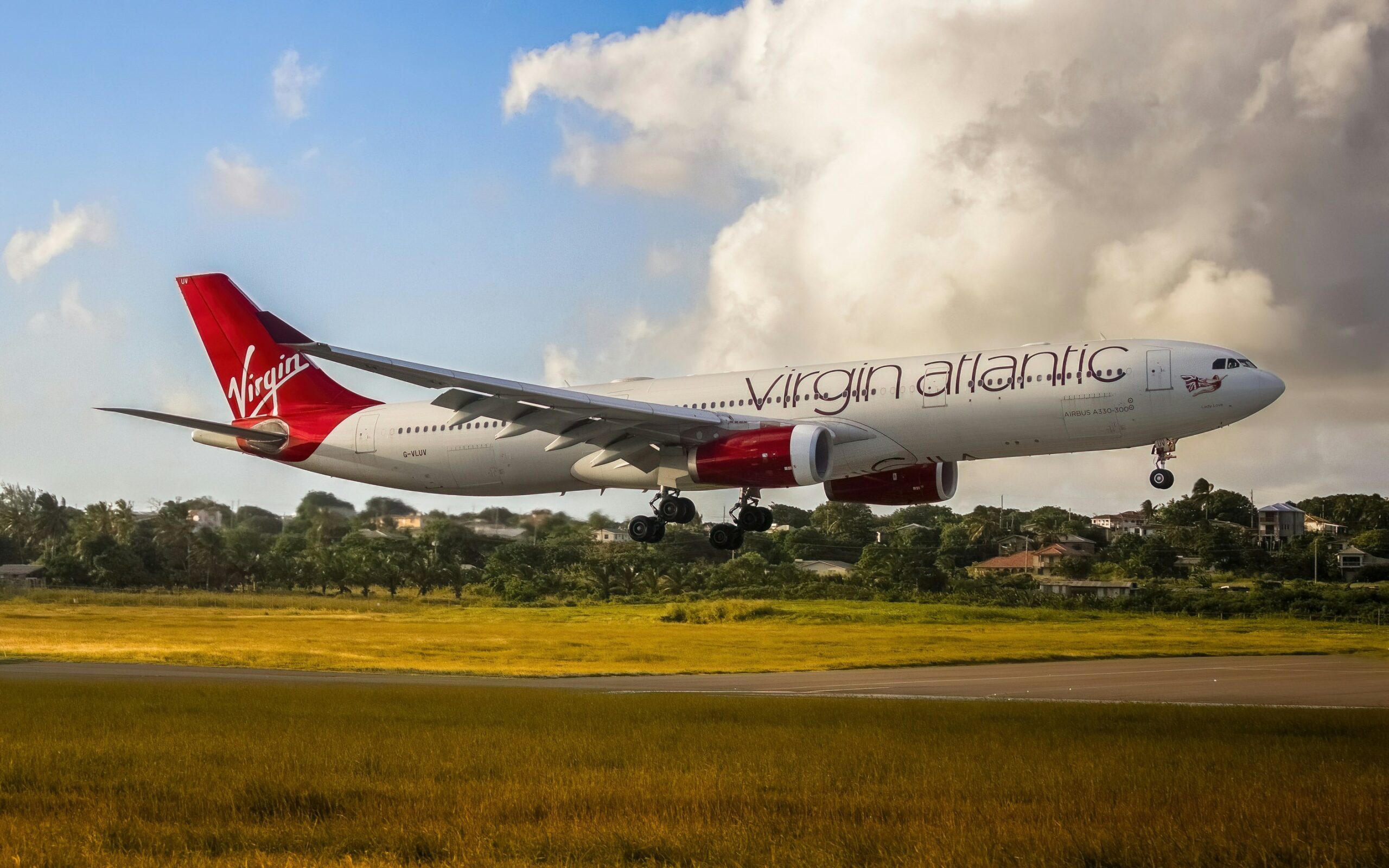
Airlines such as Air France and Qatar Airways connect travelers to regions near well-known flamingo lagoons.
Why These Places Stay With You
Coastal lagoons with flamingo lookouts leave lasting impressions because they combine color, stillness, and movement in perfect balance.
Rather than spectacle, they offer rhythm. Rather than crowds, they offer space.
If watching wildlife required slowing down instead of getting closer, would you enjoy it more?
Follow WentWorld for more journeys into landscapes where nature sets the pace and beauty reveals itself quietly.
Catch up on the top stories and travel deals by subscribing to our newsletter!