Cities with night-blooming flower festivals offer a rare kind of travel magic that only reveals itself after sunset. While most gardens close their gates at dusk, these cities come alive at night with flowers that bloom under moonlight, releasing intense fragrances and transforming streets, parks, and courtyards into sensory experiences. The darkness does not hide beauty here. Instead, it invites people to slow down, gather quietly, and experience nature in an entirely different rhythm.
Have you ever noticed how the world feels softer at night, as if time itself moves more gently? Night-blooming flower festivals lean into that feeling. They are not loud parades or crowded street fairs. Rather, they are calm, glowing celebrations where scent replaces color, moonlight replaces sunlight, and presence matters more than speed.
Why Some Flowers Bloom Only at Night
Night-blooming flowers evolved to thrive in darkness. Instead of bright colors that attract daytime pollinators, these flowers rely on fragrance and pale tones to draw moths and nocturnal insects. As temperatures drop after sunset, the blooms open, releasing scents that can feel almost overwhelming in the still night air.
Flowers such as night-blooming jasmine, queen of the night cactus, tuberose, and moonflower are central to many festivals. Their blooming windows are often short, sometimes lasting only a single night. This fleeting nature gives night-blooming festivals a sense of urgency and anticipation.
Cities that celebrate these flowers organize events carefully, aligning timing, lighting, and atmosphere to respect the plants while welcoming visitors.
How Cities Turn Night Blooms Into Festivals
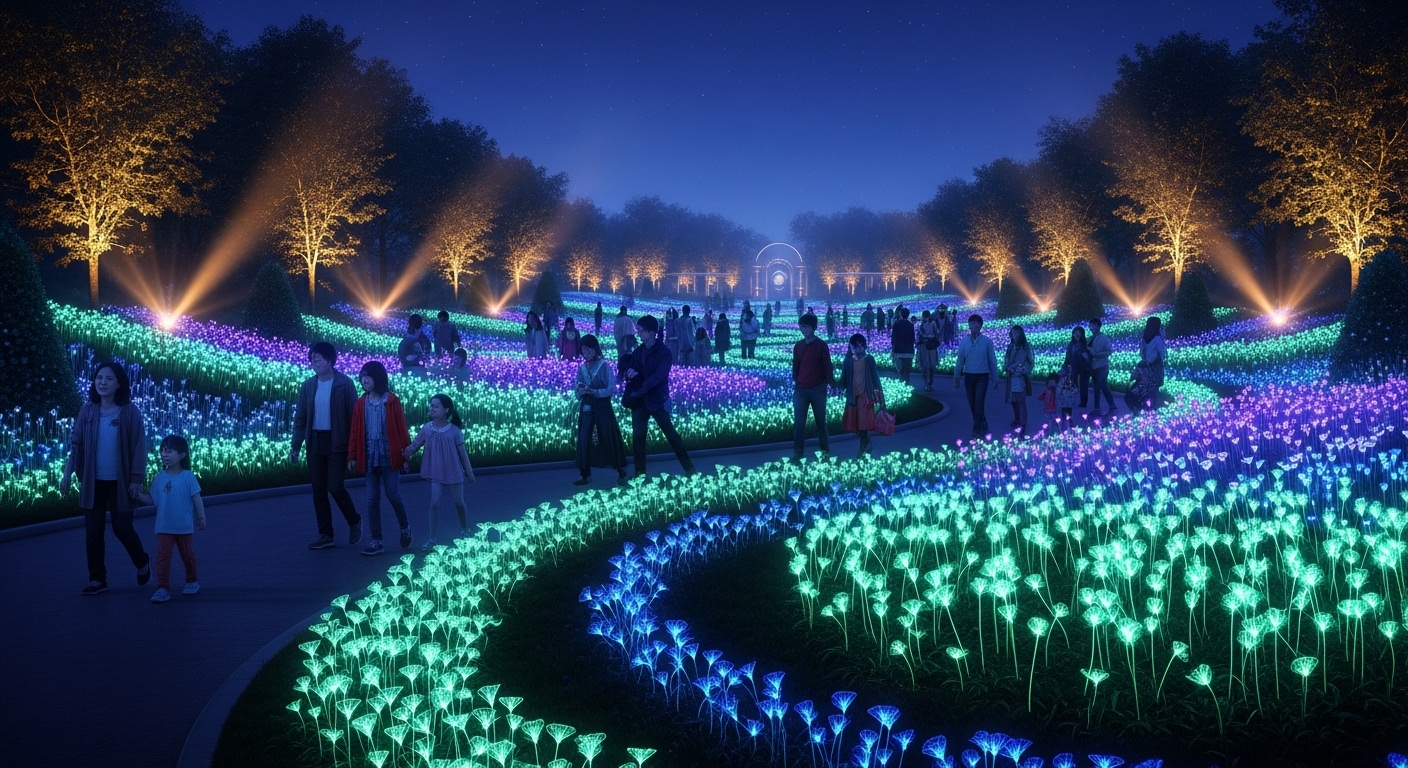
Unlike daytime flower festivals that focus on color and scale, night-blooming flower festivals emphasize mood. Soft lighting, lantern-lined paths, and quiet music create environments that encourage reflection rather than excitement.
Many cities open botanical gardens, historic courtyards, or temple grounds exclusively at night during peak bloom periods. Visitors walk slowly, often in near silence, guided by fragrance rather than visuals.
In cities with night-blooming flower festivals, the experience feels less like attending an event and more like being invited into a secret that only exists for a few hours.
Iconic Cities With Night-Blooming Flower Festivals
In Japan, several cities host seasonal night garden openings that feature night-blooming flowers alongside illuminated landscapes. While cherry blossoms dominate spring, summer nights introduce jasmine and moonflower displays in temple gardens and urban parks.
Bangkok and other Thai cities celebrate night-blooming jasmine during cultural and religious events. Jasmine garlands are prepared in the evening when fragrance peaks, filling streets and courtyards with scent.
In Mexico, the queen of the night cactus blooms are treated as special occasions in cities like Oaxaca. Botanical gardens and private courtyards open after dark, allowing visitors to witness a bloom that may last only a few hours.
Parts of India also host night-focused flower gatherings, especially around tuberose and jasmine. These events blend fragrance, spiritual rituals, and local music into intimate nighttime experiences.
The Sensory Experience After Sunset
Cities with night-blooming flower festivals appeal to the senses in a completely different way than daytime events. Sight becomes secondary. Instead, scent leads the experience.
As visitors walk through gardens and streets, waves of fragrance drift through the air. The smell of jasmine may suddenly intensify, then fade as you move toward moonflowers or tuberose. Each step changes the atmosphere.
Sound also plays a role. Without daytime noise, small details become noticeable. Footsteps, soft music, rustling leaves, and distant city sounds blend into a calm nighttime rhythm.
Cultural and Spiritual Meaning of Night Blooms
In many cultures, night-blooming flowers symbolize purity, impermanence, and spiritual awakening. Because these flowers bloom briefly and often unseen, they are associated with moments of quiet beauty rather than public display.
Festivals often include rituals, poetry readings, or storytelling sessions that reflect these themes. In some cities, night blooms are offered at temples or used in evening ceremonies.
This cultural depth gives night-blooming flower festivals meaning beyond aesthetics. They become reflections on time, attention, and the value of fleeting experiences.
Why Travelers Are Drawn to These Festivals
Modern travel often revolves around packed itineraries and constant movement. Cities with night-blooming flower festivals offer the opposite. They ask visitors to slow down, arrive on time, and simply be present.
These festivals appeal to travelers who value atmosphere over spectacle. Photographers, writers, solo travelers, and couples often find these experiences deeply memorable.
Have you ever stayed out late just to witness something rare, knowing it might not happen again? Night-blooming festivals reward that kind of patience.
Planning a Visit to a Night-Blooming Festival
Timing matters when visiting cities with night-blooming flower festivals. Blooms depend on temperature, humidity, and seasonal cycles. Many cities announce event windows rather than fixed dates.
Arriving early in the evening allows visitors to experience the transition from dusk to night, which adds to the atmosphere. Comfortable walking shoes and an unhurried mindset are essential.
Photography is often allowed, but flash use may be restricted to protect the plants and preserve the mood.
Preservation and Respect for Night Gardens
Because night-blooming flowers are delicate, festivals emphasize respectful behavior. Visitors are encouraged to stay on paths, avoid touching blooms, and keep noise levels low.
Cities that host these events often invest in conservation and education. By highlighting night blooms, they raise awareness of plant diversity and the importance of protecting fragile species.

Responsible participation ensures these festivals can continue year after year.
The Future of Night-Blooming Flower Festivals
As interest in slow travel and mindful experiences grows, cities with night-blooming flower festivals are gaining international attention. These events align perfectly with travelers seeking calm, authenticity, and connection.
Urban planners and cultural organizations are beginning to recognize the value of nighttime nature experiences. More cities may soon explore after-dark festivals that focus on plants, scent, and silence rather than crowds.
This shift suggests a future where nightlife includes nature as much as entertainment.
Cities with night-blooming flower festivals remind us that beauty does not always announce itself loudly. Sometimes it waits quietly for those willing to look, smell, and listen.
Would you plan a night around a flower that blooms only once? Or have you already experienced a night garden filled with fragrance and moonlight? We would love to hear your thoughts and stories.
For more rare celebrations, thoughtful travel ideas, and destinations that reveal beauty beyond daylight hours, follow WentWorld on social media and stay inspired by journeys that unfold after dark.
Catch up on the top stories and travel deals by subscribing to our newsletter!