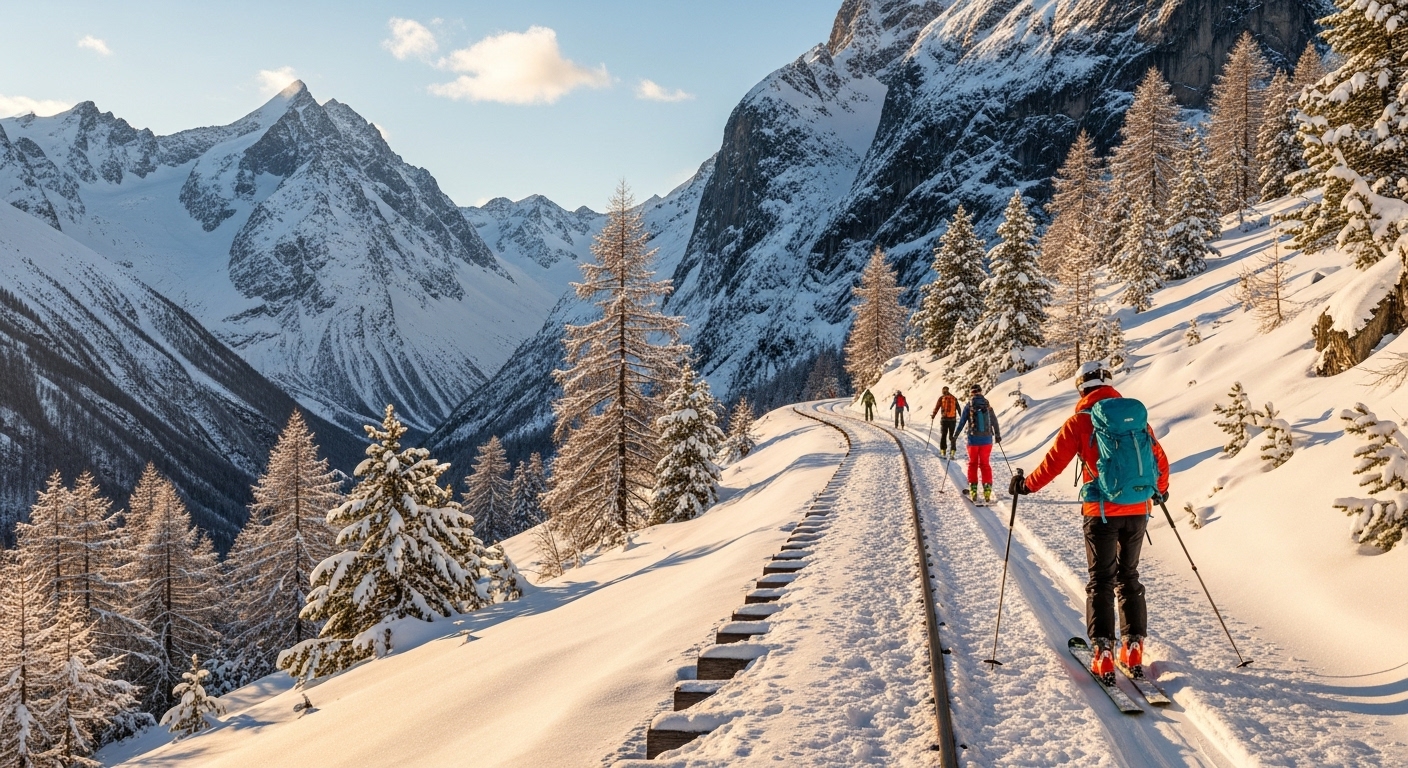
Imagine a railway line that transforms into a ski slope when winter arrives. Rail routes that turn into ski slopes in winter are a fascinating combination of engineering, adventure, and seasonal ingenuity. Across snowy regions, these tracks double as ski trails, allowing skiers to glide along former train routes while enjoying breathtaking alpine landscapes.
These unique winter adaptations highlight how communities creatively repurpose infrastructure. What is typically a mode of transportation becomes a playground for winter sports enthusiasts, offering a thrilling way to experience mountains, valleys, and forests covered in snow. Have you ever thought about skiing along a former rail line?
Why Rail Routes That Turn Into Ski Slopes in Winter Are Special
Railways repurposed as ski slopes provide multiple advantages. First, the tracks already offer gentle gradients ideal for skiing, particularly for beginners and intermediates. Second, they connect scenic areas, allowing skiers to enjoy long, uninterrupted descents that blend natural beauty with historical context.
For adventurers, these routes offer a different perspective. You’re skiing along paths where trains once traveled, passing tunnels, bridges, and stations that now serve as waypoints for winter recreation. It’s an extraordinary way to combine outdoor activity, history, and culture.
Notable Rail Routes That Turn Into Ski Slopes in Winter
Across the world, several railways transform during winter months to provide unique skiing experiences:
1. The White Pass & Yukon Route, USA/Canada: Originally built for the gold rush, this historic railway in Alaska offers guided winter skiing along parts of its scenic route. The snow-covered tracks wind through mountains, gorges, and valleys, creating an unforgettable adventure.
2. The Jungfrau Region, Switzerland: Some Swiss mountain railways, such as those near Lauterbrunnen and Kleine Scheidegg, repurpose tracks for ski trails during winter. Skiers enjoy routes that connect charming villages, offering both thrilling slopes and picturesque views of the Alps.
3. The Ritten Railway, Italy: In South Tyrol, parts of the historic Ritten Railway are transformed into ski-friendly paths during winter. The gentle inclines of the former rail route make it suitable for cross-country skiing and snowshoeing, offering a peaceful alternative to crowded slopes.
4. The Erzgebirge Railways, Germany/Czech Republic: In the Ore Mountains, some narrow-gauge railway tracks become ski trails in winter. These paths take skiers through forests, over small bridges, and along snow-covered valleys, combining history and sport in a unique way.
5. The Flåm Railway, Norway: While famous for summer scenic trips, certain winter months see adjacent paths converted into ski trails. Skiers descend along gentle inclines, enjoying fjord views and snow-blanketed forests.

The Experience of Skiing on Former Rail Tracks
Skiing on former railway routes is different from traditional ski resorts. Tracks provide smooth, gradual gradients perfect for long runs. The surrounding scenery often includes historic train stations, old bridges, and tunnels, adding an element of exploration to the sport. Because these routes are less crowded, skiers often enjoy solitude, making the experience meditative as well as exhilarating.
Have you ever imagined skiing where locomotives once roared? This blend of history and adventure creates stories worth telling, and memories that last a lifetime.
Practical Tips for Skiing on Rail Routes
To make the most of this unique winter adventure, consider the following tips:
- Check seasonal accessibility and trail conditions.
- Use appropriate ski gear for cross-country or alpine routes.
- Bring navigation tools or join guided tours.
- Respect historical structures along the route.
- Combine skiing with local village visits for a complete cultural experience.
Scenic and Cultural Highlights
Skiing along former railways often reveals hidden gems:
- Snow-covered bridges and viaducts that once carried trains.
- Mountain villages accessible only via these converted routes.
- Forests blanketed in winter, creating serene skiing corridors.
- Historic stations that now serve as rest points or cultural landmarks.
- Panoramic mountain views perfect for photography and relaxation.
Environmental and Social Impact
Repurposing rail routes for skiing has multiple benefits. It preserves historical infrastructure, promotes outdoor recreation, and encourages eco-friendly tourism by using existing pathways. Local communities benefit economically from seasonal visitors, while travelers enjoy less crowded, sustainable alternatives to traditional ski resorts.

Why Rail Routes That Turn Into Ski Slopes in Winter Inspire Travelers
These routes spark curiosity and adventure. They combine history, culture, and winter sports in ways few other experiences can. Travelers get a sense of discovery, exploring paths once dominated by trains, now transformed into snowy playgrounds. Skiers experience movement and flow along gradients designed by engineers, but shaped naturally by snow.
Have you ever wanted to blend history, sport, and scenic beauty in one experience? Skiing along former railway tracks offers that rare opportunity.
Rail routes that turn into ski slopes in winter are extraordinary examples of adaptive reuse, blending heritage and recreation. From Switzerland’s Alps to Norway’s fjords and Germany’s Ore Mountains, these tracks offer unique winter experiences. Skiing along a historic rail route provides adventure, culture, and a connection to past eras, all while enjoying the serenity of snow-covered landscapes.
Which rail route would you like to ski down first? Share your thoughts and let us know if you’ve experienced this unique winter adventure! For more stories of extraordinary travel, hidden adventures, and seasonal experiences, follow WentWorld on our social media platforms and explore a world where history meets adventure.
Catch up on the top stories and travel deals by subscribing to our newsletter!