Ever stood at the edge of a coastal cliff and felt both awe and calm at once? That’s the magic of limestone coasts — nature’s masterpiece sculpted by wind, waves, and time itself. From dramatic white cliffs plunging into turquoise waters to mysterious stone arches and sea stacks rising like ancient guardians, these landscapes tell stories millions of years old. But what’s even better? You can experience them all on an unforgettable road trip.
In this journey, we’re exploring some of the world’s most breathtaking limestone coasts — from Europe’s iconic white cliffs to Asia’s hidden karst beaches. Whether you’re an adventure traveler, a photographer chasing golden light, or simply a dreamer with a map, this guide will take you along roads that hug the sea and reveal Earth’s most poetic geology.
Why Limestone Coasts Feel So Otherworldly
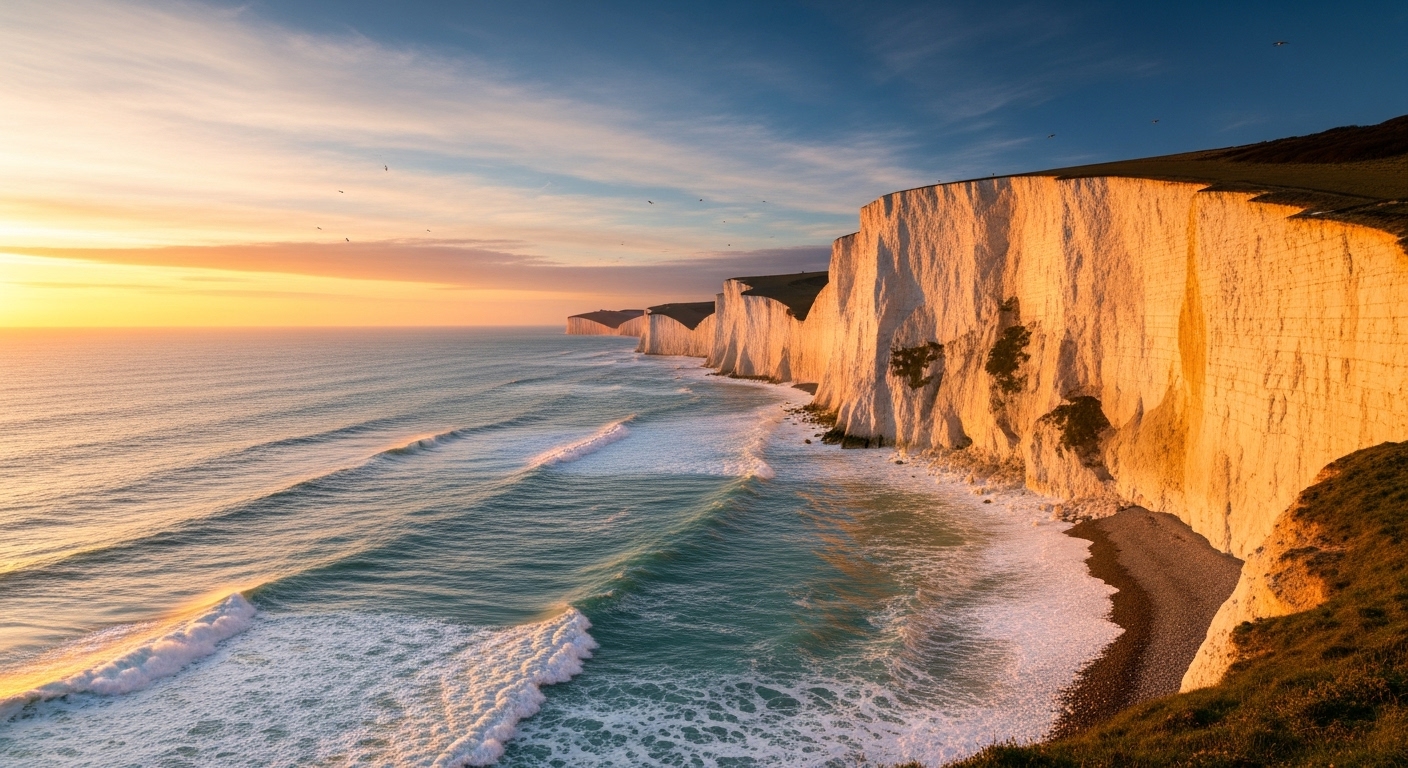
Limestone isn’t just any rock. It’s a storyteller — born from ancient marine life, compressed over millions of years, and sculpted by natural forces. When sea waves meet limestone cliffs, they carve out arches, caves, and stacks, turning coastlines into living art galleries. Have you ever wondered why so many postcards feature white cliffs or arched coastlines? It’s because limestone interacts with sunlight like no other stone — glowing gold at sunrise, silver under moonlight, and blinding white beneath the midday sun.
These coasts aren’t only about beauty. They’re ecosystems that support rare plants, nesting seabirds, and unique marine life. Exploring them isn’t just sightseeing; it’s stepping into an evolving natural laboratory where geology meets life.
Start in Southern England: The White Cliffs of Dover & Jurassic Coast
No journey through limestone coasts can skip England’s southern shores. The White Cliffs of Dover are legendary — a symbol of homecoming, resilience, and sheer natural drama. As you drive along the coast toward the Jurassic Coast, the world’s only natural UNESCO World Heritage site dedicated to geology, you’ll encounter chalk formations, fossil-rich beaches, and arches like the famous Durdle Door.
Imagine watching the sunset through Durdle Door’s limestone arch, waves gently crashing at your feet. It’s a reminder that even the hardest stone changes — slowly, beautifully, and eternally.
France’s Etretat: A Painter’s Dream
Across the Channel, Normandy’s Étretat cliffs rise like cathedral walls over the sea. Artists like Monet and Boudin were obsessed with this place, trying to capture the light that dances on its chalk formations. Strolling along the pebbled beach or hiking up to the “Needle” — a tall limestone spike jutting out from the sea — you’ll see why it continues to inspire travelers from all over the world.
Feeling adventurous? Try paragliding over the cliffs at golden hour — the panoramic view of France’s most poetic limestone coasts is unforgettable.
Italy’s Amalfi Coast: Limestone Meets Luxury
When you think of the Amalfi Coast, you might picture pastel villages clinging to cliffs — but those cliffs themselves are ancient limestone giants. The winding roads between Positano and Ravello offer jaw-dropping views of limestone headlands plunging into deep blue seas. It’s a region where geology, culture, and cuisine blend seamlessly.

Hidden within Amalfi’s coastal caves are remnants of old fishing villages and legends of sirens who lured sailors to the rocks. If you love combining nature with history, this stretch of limestone coasts offers both in abundance.
The Balkans’ Secret Limestone Coastline
Few travelers realize that the Adriatic coastline of Montenegro and Croatia is lined with rugged limestone formations too. The Bay of Kotor, for instance, looks like a fjord but is actually a flooded river valley surrounded by limestone peaks. Every turn of the coastal road offers a postcard view — crumbling fortresses above turquoise waters, olive groves on stone terraces, and villages carved straight into the rock.
If you’re into hiking or photography, you’ll find this region a hidden gem. Walk along the old Venetian walls or take a short detour inland to explore karst plateaus filled with sinkholes and underground rivers — proof of limestone’s secret life below the surface.
Asia’s Limestone Wonders: Thailand, Vietnam & The Philippines
Asia takes limestone landscapes to another level. In Thailand’s Krabi and Phang Nga Bay, limestone towers (karsts) rise dramatically from emerald seas — the kind of scenery that looks unreal until you’re standing there. You can kayak through hidden lagoons, explore sea caves, or watch rock climbers scale sheer cliffs over the water.
In Vietnam, Ha Long Bay is a UNESCO World Heritage Site that’s often called a geological poem. Thousands of limestone islands jut from the bay, each cloaked in lush greenery. Taking a boat cruise through the misty morning light feels like drifting through a dreamscape.
Meanwhile, the El Nido region of the Philippines offers some of the most photogenic limestone coasts on Earth. These vertical cliffs hide lagoons, coral reefs, and secluded beaches that make you feel like an explorer discovering Earth’s secrets for the first time.
North America’s Coastal Treasures
Did you know the U.S. and Canada also have stunning limestone formations? Head to Bruce Peninsula National Park in Ontario to see cliffs that plunge into crystal-clear turquoise waters. In Mexico’s Yucatán Peninsula, coastal limestone is riddled with cenotes — natural swimming holes that connect to underground rivers. These are sacred places for the ancient Maya and thrilling destinations for modern adventurers.
Drive along Florida’s Gulf Coast or parts of Texas, and you’ll spot subtle limestone features formed by coral and shell deposits over millennia — proof that these rocks are alive with stories of the sea.
How to Plan Your Limestone Coast Road Trip
Here’s how you can make your journey smooth and memorable:
- Map it smartly: Combine famous spots with lesser-known ones. For example, pair Dover with Étretat, or Krabi with El Nido.
- Travel slow: Limestone coastlines are best appreciated at an unhurried pace — stop often, explore on foot, and soak in the views.
- Respect nature: Many of these cliffs and caves are fragile ecosystems. Stick to marked paths, and avoid collecting rocks or fossils.
- Bring a camera: Limestone reacts to light in incredible ways — dawn and dusk are perfect times for photography.
Why We’re Drawn to the Edge
There’s something primal about standing on the edge of a limestone cliff, watching waves crash below. It reminds us how small we are, yet how deeply connected to nature’s grand design. These places make us pause, breathe, and reflect. They invite both awe and peace — emotions that modern travel sometimes forgets to prioritize.
Which limestone coastline left you speechless — Dover, Amalfi, or Ha Long Bay? We’d love to hear your stories, photos, and favorite coastal moments in the comments below! Your experiences might inspire someone’s next road trip. And if you love discovering natural wonders and hidden travel gems, make sure to follow us on our social media channels for more breathtaking travel inspiration from around the world.
Catch up on the top stories and travel deals by subscribing to our newsletter!