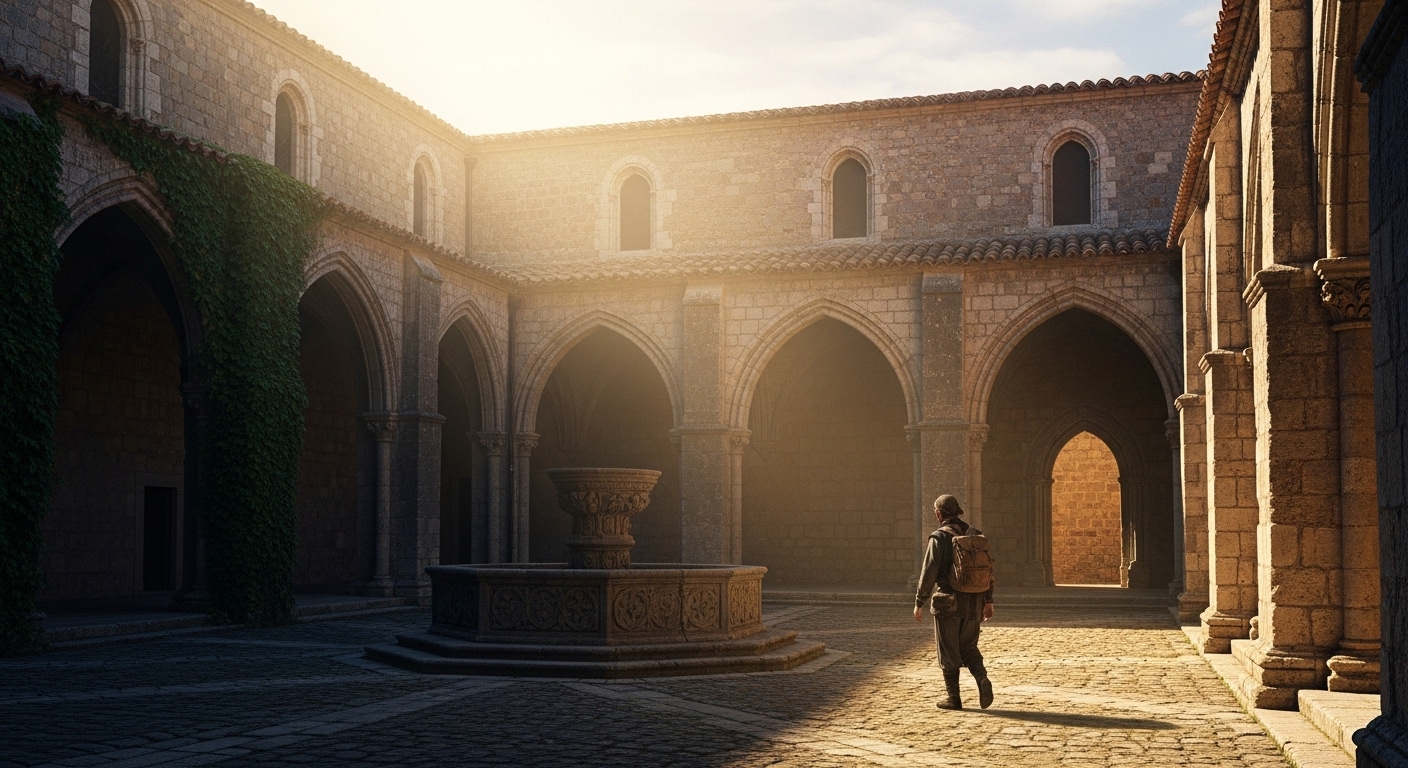
Imagine closing your eyes at night inside a centuries-old monastery, where the walls whisper stories of devotion and time. Or waking up in a restored fortress, watching the morning mist roll over battlements that once guarded kingdoms. This isn’t a scene from a movie — it’s the magic of heritage sleepovers, a unique travel experience where you don’t just visit history — you live in it.
In an era where hotels look the same from Bangkok to Barcelona, heritage sleepovers offer travelers something refreshingly real: the chance to rest within spaces that have witnessed centuries of art, politics, religion, and human stories. These are not just accommodations; they are living museums where every archway and corridor tells a tale.
Why Stay in Heritage Properties?
Have you ever checked into a hotel and felt like you could be anywhere in the world? That’s where heritage sleepovers change everything. Instead of cookie-cutter rooms, you’re welcomed by ancient courtyards, grand staircases, frescoed ceilings, and sometimes even the faint scent of incense or aged wood. Staying in such places connects travelers to the soul of a destination.
But beyond beauty, there’s meaning. Heritage sleepovers represent conservation — they keep history alive and relevant. When you book a night in a centuries-old fort or monastery, your stay contributes directly to preservation efforts. It’s sustainable tourism with a cultural heart.
From Monks to Modern Guests: The Monastery Experience
There’s something deeply grounding about staying in a monastery. Many of these sacred spaces were built for silence and reflection — qualities that today’s travelers desperately crave. In Italy, Spain, and parts of Eastern Europe, you’ll find monasteries that have opened their doors to guests, offering simple yet soulful stays.
Picture yourself walking through stone cloisters at dawn, the sound of church bells echoing across the hills. Your room might be modest, but the peace it offers is priceless. Some monasteries still host morning prayers or meditation sessions that guests can join. In these spaces, digital noise fades away, replaced by the rhythm of centuries-old rituals.
In places like Tuscany, converted abbeys combine monastic architecture with modern comfort. You might have Wi-Fi and wine service now — but the energy of the past still hums beneath the surface. Each monastery tells its own story — of faith, resilience, and timeless beauty.
Forts and Palaces: Sleeping Where Royals Once Ruled
On the other end of the spectrum, heritage sleepovers can also mean living like royalty. Across India, Portugal, and parts of the Middle East, ancient forts and palaces have been reborn as luxurious heritage hotels. Staying here is like stepping into a time machine — but with hot showers and fine dining.
Imagine arriving at a sandstone fort in Rajasthan, greeted with drums and flower garlands. Your room might once have been a queen’s chamber, complete with carved balconies and intricate wall paintings. As you sip tea overlooking the desert, it’s hard not to feel part of history. These properties redefine luxury — it’s not about thread counts but about legacy.
Many heritage forts also preserve traditional crafts, music, and cuisine. The staff — often descendants of the original royal families — share stories passed down through generations. You’re not just a guest here; you’re part of a continuing narrative.

Country Estates and Manor Homes: Elegance in the Countryside
If your dream escape involves sprawling lawns, ivy-covered walls, and antique furniture, then heritage estates are calling your name. Across the UK, France, and Ireland, centuries-old manors have transformed into cozy guesthouses and boutique hotels. They offer an intimate window into rural history and aristocratic life.
Every creak of the wooden floor and every oil painting on the wall adds texture to your stay. Many of these estates are family-run, meaning you’ll get personal stories with your breakfast. Some even host local events, from poetry readings to harvest festivals — a reminder that these homes are still living, breathing parts of their communities.
Whether it’s a Georgian mansion in the Scottish Highlands or a vineyard estate in Bordeaux, heritage sleepovers here balance nostalgia with comfort. The hospitality is heartfelt, the scenery serene, and the sense of time beautifully blurred.
Why Heritage Sleepovers Are Trending Again
Modern travelers are craving authenticity. After years of fast travel and “Instagram-perfect” experiences, there’s a growing shift toward slower, more meaningful journeys. Heritage sleepovers embody this perfectly. They let you stay still and soak in the past while experiencing the local way of life.
Interestingly, these places also attract digital nomads seeking peace. Working remotely from a centuries-old fort or monastery courtyard? That’s next-level inspiration. Many properties now offer modern amenities like Wi-Fi, coworking nooks, and yoga retreats — blending heritage with contemporary needs.
It’s not about extravagance; it’s about essence. When you check into a heritage property, you check into a story that’s still being written.
Hidden Gems: Lesser-Known Heritage Stays Around the World
We all know about castles in Scotland and forts in Rajasthan — but what about the under-the-radar heritage stays that few travelers know? Here are some you should add to your bucket list:
- Montenegro’s Ostrog Monastery: Built into a cliffside, it offers a surreal stay close to the heavens.
- Portugal’s Pousadas: A network of historic buildings — from convents to palaces — turned into welcoming inns.
- Japan’s Temple Lodgings (Shukubo): Experience Buddhist culture firsthand in sacred mountain settings like Koyasan.
- Morocco’s Kasbahs: Sandstone strongholds with courtyards, rooftop terraces, and rich Berber heritage.
- Romania’s Saxon Fortified Villages: Sleep inside UNESCO-protected villages where time stands still.
Each stay offers a blend of local heritage and heartfelt hospitality. You’ll leave with stories that no luxury hotel could ever match.
Preparing for a Heritage Stay: What to Expect
Before you pack your bags for your first heritage sleepover, here are a few things to keep in mind:
- Expect quirks: Uneven floors, antique plumbing, or creaky stairs aren’t flaws — they’re character.
- Ask about history: Most hosts love sharing their property’s story. It makes the stay richer.
- Embrace simplicity: Some monasteries or estates maintain minimalism — it’s part of the charm.
- Respect traditions: Remember that many of these sites have spiritual or cultural significance.
- Slow down: Don’t rush. Heritage stays are best enjoyed at an unhurried pace.

When you travel this way, you’re not just collecting passport stamps — you’re becoming a time traveler with purpose.
How to Find Authentic Heritage Sleepovers
So how do you find these magical stays? Platforms like Airbnb, Booking.com, and dedicated heritage hotel networks (like India’s Neemrana Hotels or Europe’s Historic Hotels Association) make it easy. You can filter by property type — castle, monastery, estate — or location.
Another approach? Go local. Ask around when visiting small towns — many heritage families now open parts of their homes to guests. Local tourism boards are also great sources for hidden gems not listed online.
If you’re a planner, build an itinerary that connects multiple heritage sleepovers. Imagine traveling through Spain, staying in monasteries one week, castles the next, and a vineyard estate to wrap it up. It’s a living history trail you’ll never forget.
Heritage Sleepovers and Sustainability
Beyond nostalgia, there’s a bigger picture here — sustainability. Heritage sleepovers naturally promote eco-friendly tourism. Renovating existing structures reduces the carbon footprint associated with new constructions. Many properties rely on local produce, artisans, and energy-efficient upgrades.
By staying in them, you support conservation and community. It’s slow travel at its most responsible and rewarding. You’re helping keep history alive — literally. So, what about you? Would you spend a night in a centuries-old monastery? Or sip morning coffee from a fort’s watchtower? Heritage sleepovers are more than vacations — they’re experiences that change how you see history, travel, and even yourself.
We’d love to hear your thoughts! Have you ever stayed in a historic property? What was it like? Drop your experiences or dream destinations in the comments below. And if you found this guide inspiring, don’t forget to follow us on social media for more stories like this — where every trip has a story worth retelling.
Catch up on the top stories and travel deals by subscribing to our newsletter!