
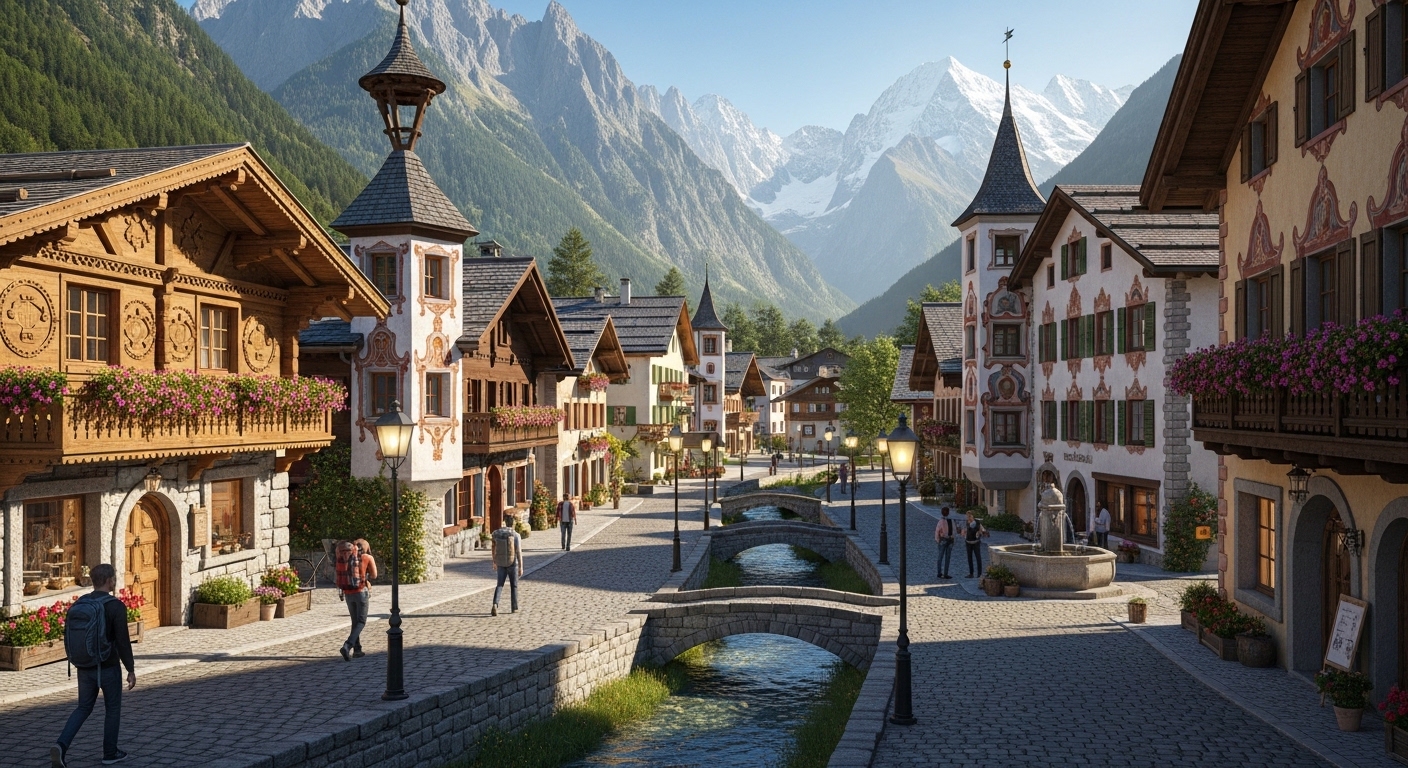
Introduction: Why Folk Architecture Travel is a Must-Do
Have you ever visited a village and instantly felt transported back in time? That’s the magic of folk architecture travel. Traveling through areas known for folk architecture allows you to experience history, culture, and local craftsmanship firsthand.
From the wooden chalets of Switzerland to the colorful wattle-and-daub houses of Poland, each building tells a story of tradition and ingenuity. These structures reflect centuries of local adaptation to climate, resources, and lifestyle.
Unlike modern cities, areas rich in folk architecture preserve cultural identity in a tangible way. Every doorway, roof, and carving provides insight into the lives of past generations.
So how do you plan a journey that truly celebrates this form of heritage? Which destinations offer the richest experiences? And how can you explore these areas respectfully while learning about the culture that created them?
This guide will walk you through everything you need to know about folk architecture travel and how to turn a simple trip into a living history adventure.
The Charm and Significance of Folk Architecture
Folk architecture is more than just buildings. It represents centuries of local wisdom, craftsmanship, and cultural expression. Each structure is designed to serve practical needs while also reflecting artistic sensibilities.
From timber-framed houses to thatched-roof cottages, folk architecture offers a window into the lives of ordinary people throughout history. It also provides clues about regional materials, climate adaptation, and communal living patterns.
Traveling through areas known for folk architecture allows you to witness living history. You see villages where traditions are not just remembered—they are actively preserved.
Have you ever noticed intricate wood carvings, painted motifs, or unique roof shapes while exploring rural towns? These details often have cultural or symbolic meanings passed down for generations.
Whether it’s the stilted houses of Norway or the earthen homes of Morocco, every style tells a story about survival, identity, and ingenuity.

Choosing the Right Destinations
The first step in folk architecture travel is choosing the right destinations. Europe, Asia, Africa, and the Americas all host areas where traditional buildings remain preserved and celebrated.
In Europe, villages like Český Krumlov in the Czech Republic showcase timber-framed houses, cobblestone streets, and painted facades that reflect Renaissance folk traditions.
In Asia, Japanese gasshō-zukuri farmhouses in Shirakawa-go stand as UNESCO World Heritage sites. Their steep thatched roofs survive heavy snow and showcase centuries of local craftsmanship.
Latin America offers adobe homes in Andean villages, while Africa highlights earthen architecture in Mali’s villages, like the iconic mosques of Djenné.
Some travelers prefer exploring small villages that have retained authenticity, while others may combine folk architecture exploration with regional tourism highlights, such as local markets, festivals, and nature trails.
Each choice affects the experience of your journey, so consider what matters most: immersion, accessibility, or combined travel experiences.
Timing Your Visit for Maximum Impact
Many areas known for folk architecture have seasonal highlights. Planning your trip according to climate and local festivities ensures the best experience.
European timber villages are most charming in spring and summer when flowers bloom along traditional streets. Winter offers a snow-covered fairy-tale ambiance for those who enjoy colder weather.
In Asia, rice harvest seasons in rural villages create beautiful landscapes alongside traditional homes, while certain festivals showcase folk architecture through cultural performances and community gatherings.
Planning your folk architecture travel around these seasonal cues allows for more immersive experiences. Travelers can witness cultural practices in their original settings.
Have you ever visited a village during a festival and noticed the entire community engaged in decoration, music, or dance? Folk architecture becomes even more magical during these times.
Experiencing Local Culture Beyond Buildings
Folk architecture does not exist in isolation. It is deeply connected to local lifestyles, crafts, and culinary traditions. Travelers can participate in workshops, guided tours, and artisan demonstrations.
Many villages offer pottery workshops, weaving lessons, or cooking classes where traditional ingredients are used, letting visitors fully experience regional heritage.
Markets and festivals often surround traditional architecture, providing opportunities to taste local cuisine, admire handmade crafts, and interact with residents.
These activities make folk architecture travel not just a visual experience, but a sensory one that engages sight, touch, taste, and sound.
Instead of simply photographing buildings, travelers leave with a deeper appreciation for the communities that maintain these cultural legacies.
Planning Your Transportation and Stay
Many folk architecture sites are located in rural areas or small towns. Flights often connect to nearby cities, but reaching the villages may require buses, trains, or car rentals.
Major airlines such as Emirates and Lufthansa provide routes to international gateways near popular folk architecture destinations.
Accommodation varies from guesthouses and homestays to boutique hotels that preserve traditional aesthetics. Homestays often allow for authentic cultural exchange and personal storytelling from hosts.
Choosing the right location depends on whether you want to stay within the village for full immersion or in a nearby city for convenience.
Respecting Cultural and Architectural Heritage
Folk architecture sites are often fragile and deeply tied to cultural identity. Travelers should approach these areas with respect and curiosity.
Some homes or structures may be private or sacred. Photography might require permission, and walking off marked paths can damage delicate foundations.
Understanding local customs ensures responsible folk architecture travel and helps preserve the heritage for future generations.
When you engage respectfully, residents often welcome visitors warmly and may share stories, crafts, and traditions that would otherwise remain hidden.
Capturing the Experience
Photography is tempting when exploring villages full of traditional buildings. But beyond photos, consider journaling, sketching, or learning local craft techniques to remember your journey.
Interviews with artisans, guided tours explaining architectural details, and documenting cultural events can create rich memories that far outlast snapshots.
Traveling through areas known for folk architecture is not just sightseeing—it is an educational and emotional experience that connects you to the history of a place.

Why Folk Architecture Travel Creates Lasting Memories
Folk architecture preserves the essence of a community’s identity. Unlike modern cities, these villages show how generations adapted to climate, environment, and social needs.
Experiencing these places firsthand leaves a deep impression. Travelers witness continuity and change, art and function, beauty and practicality—all combined in buildings that have stood for centuries.
Folk architecture travel offers more than tourism; it becomes a journey through history and culture.
Have you ever walked through a village and felt connected to people who lived hundreds of years ago? That’s the power of folk architecture travel.
Your Turn: Share Your Folk Architecture Experiences
Have you visited villages or towns famous for their traditional architecture?
Which destinations impressed you most with their heritage and craftsmanship?
Share your stories and recommendations. Your experiences could guide other travelers exploring folk architecture around the world.
Follow WentWorld across our social media channels to discover more travel inspiration, guides, and cultural stories from global destinations.
Conclusion
Traveling through areas known for folk architecture combines history, culture, and immersive experiences into one unforgettable journey.
By planning thoughtfully, respecting local traditions, and engaging with communities, folk architecture travel transforms ordinary vacations into meaningful explorations of heritage.
The world is full of villages, towns, and regions waiting to share their stories through buildings, streets, and craftsmanship.
Where will your next folk architecture adventure take you?
Catch up on the top stories and travel deals by subscribing to our newsletter!










Leave a Reply
You must be logged in to post a comment.