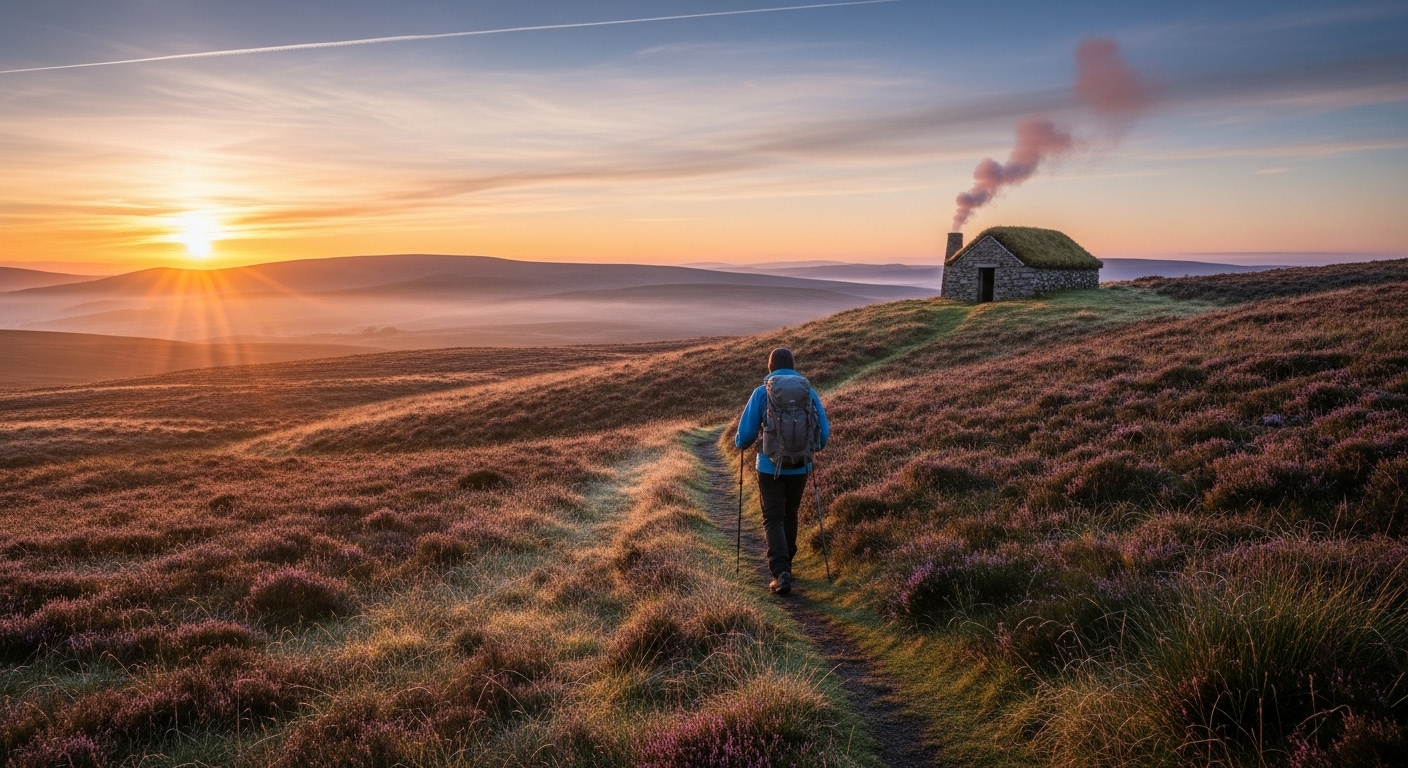
There is something timeless about highland moor walks with stone hut shelters. Picture yourself traversing rolling moors under a vast sky, the wind carrying scents of heather and wet earth, while ancient stone huts dot the landscape. These shelters, often centuries old, offer refuge from sudden rain or strong winds, and they tell stories of travelers, shepherds, and explorers who came before you. Have you ever walked a path where every step felt like walking through history?
Highlands are not just scenic; they are spaces where nature and human history intertwine. The moors, with their soft grasses and occasional peat bogs, can seem endless, yet along these walks, you encounter stone huts — simple, sturdy structures that have survived generations. These huts were built for survival, often by shepherds or farmers, and now they provide a unique charm to anyone wandering these remote landscapes.
In this WentWorld.com guide, we’ll explore the allure of highland moor walks with stone hut shelters. We’ll uncover why they remain relevant, how to explore them responsibly, and what makes the experience unforgettable. Whether you are an avid hiker or a casual wanderer, these moors offer quiet magic waiting to be discovered.
Why Stone Hut Shelters Make Highland Walks Special
Stone hut shelters are more than just a place to rest; they are a window into the past. Many were constructed centuries ago using local stone and traditional techniques. They were designed to withstand harsh winds, rain, and even snow, offering warmth and protection in exposed areas where trees are scarce.
Walking the moors and spotting a lone stone hut evokes curiosity. Who built it? How long has it stood? What stories has it silently witnessed? These questions add a layer of narrative to your journey, turning a simple walk into a storytelling adventure. Have you ever found yourself stopping mid-walk just to imagine the life of someone who lived or worked in the shelter you are passing?
The combination of wide, open landscapes and these stone refuges creates a rhythm in the walk — moving through emptiness, reaching a solid structure, resting, reflecting, and then continuing. It’s a gentle reminder that exploration is as much about pacing yourself as it is about the destination.
The Geography of Highland Moors
Highland moors are typically found in elevated areas with acidic soils, often above 300 meters in altitude. They are characterized by heather, grasses, peat bogs, and rocky outcrops. Walking here is both challenging and rewarding. You must be prepared for uneven terrain, sudden weather changes, and limited visibility in misty conditions.
Many of these moors are also part of national parks or conservation areas. For instance, in Scotland, moors like Cairngorms National Park offer trails that pass through historic stone hut shelters. These areas are carefully maintained to balance accessibility with preservation, allowing walkers to enjoy nature without harming fragile ecosystems.
Historic Stone Huts: A Glimpse Into Past Lives
The stone huts scattered across highland moors were once essential for shepherds, hunters, and travelers. They were built to provide shelter from sudden storms and serve as a base during long grazing or hunting expeditions. Today, they remain as relics, but also as practical spots for modern walkers to rest.
Some huts are simple one-room structures, while others include multiple chambers and even small fireplaces. You can find examples in Ireland’s Wicklow Mountains, or on the moors of Northern England, often marked on hiking maps or mentioned in local guides. Hikers today enjoy both their functional use and the romantic sense of stepping back in time.

Preparing for a Highland Moor Walk
Walking highland moors with stone hut shelters requires preparation. Weather is unpredictable, and conditions can change rapidly. Waterproof clothing, sturdy boots, and navigation tools like maps or GPS devices are essential. Knowing where stone huts are located can be a lifesaver if sudden rain or fog reduces visibility.
It is also worth packing essentials such as water, snacks, and a first-aid kit. Remember that moors are often remote, and stone huts, while offering shelter, are not always stocked with supplies. Exploring responsibly ensures your safety and helps preserve the natural and historical integrity of these sites.
The Magic of Dawn and Dusk
Highland moor walks are particularly enchanting at dawn or dusk. The soft light brings out subtle hues in the heather and grass, while mist rising from wet soil adds a mystical quality. Stone huts become silhouettes against the sky, hinting at centuries of endurance in a harsh environment.
During these quiet hours, walkers often find themselves alone with nature, hearing only the wind, birds, or the distant bleating of sheep. It’s a time for reflection and mindfulness, an opportunity to disconnect from daily stress and reconnect with the land.
Popular Locations for Stone Hut Moor Walks
Some highlands offer easier access for walkers, while others remain remote and challenging. A few notable spots include:
- Scotland’s Cairngorms National Park – rolling moors dotted with shepherd huts and bothy-style shelters.
- Ireland’s Wicklow Mountains – historic stone huts along scenic trails with panoramic views.
- Yorkshire Moors in Northern England – a mix of peat bogs and heather-covered terrain with traditional stone enclosures.
- Welsh Brecon Beacons – elevated moorland walks with stone shelters used by local farmers for centuries.
Whether you are hiking solo, with friends, or on a photography expedition, these locations provide the perfect combination of nature, solitude, and history.

Connecting With Nature and Yourself
Walking the moors and stopping in stone hut shelters gives more than physical exercise. It allows space to breathe, reflect, and connect. Each shelter becomes a pause point to take in the vastness, notice the small plants and insects, and appreciate how humans and nature have coexisted here for centuries.
Have you ever felt a profound sense of calm in a remote place? Highland moors and their stone huts have a way of amplifying that feeling. By walking these trails slowly, paying attention to the sounds, textures, and vistas, you turn a simple hike into a meaningful experience.
Preserving Highland Moor Heritage
Many stone hut shelters are considered heritage sites and are protected by local authorities. It is important for walkers to respect these sites by avoiding damage, not leaving trash, and following marked trails. Organizations like The National Trust and local conservation groups help maintain these historical structures while promoting responsible tourism.
Preserving the huts and moorlands ensures that future generations can enjoy walks that are not only scenic but also historically and culturally significant.
Why Highland Moor Walks With Stone Hut Shelters Matter
These walks are more than a hiking route; they are lessons in endurance, history, and simplicity. The combination of open, natural landscapes and man-made stone huts reminds us how humans adapt to harsh environments without dominating them. It’s an opportunity to experience solitude, beauty, and resilience all at once.
Walking these moors encourages reflection on the balance between nature and human intervention. It is a gentle reminder that even in a rugged environment, structures built with care and respect can endure. Would you be inspired to walk a moor knowing you are following footsteps of those who came centuries before?
We invite you to share your thoughts. Have you experienced a highland walk with historical stone shelters? What memories or reflections did it leave? Your stories inspire others to explore responsibly and appreciate the quiet power of these landscapes.
For more inspiring journeys and stories about rare and meaningful destinations, follow WentWorld.com on our social media platforms. Let’s explore the world’s hidden treasures together.
Catch up on the top stories and travel deals by subscribing to our newsletter!