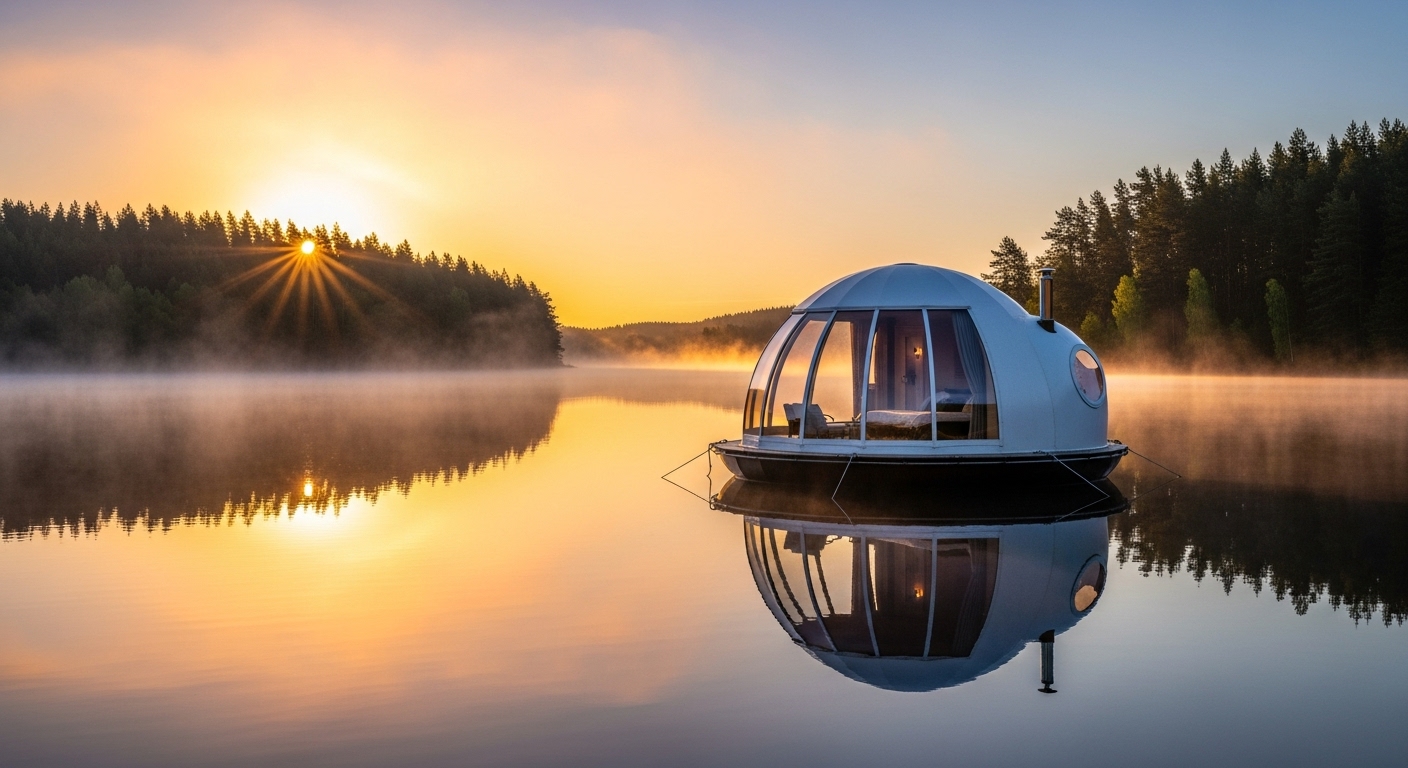
Imagine drifting gently on a serene lake, your tent floating on calm waters, the stars reflecting in the rippling surface beneath you. Floating tents and water-camping adventures transform traditional camping into a unique experience, merging nature, relaxation, and a touch of thrill. For adventurers who crave innovation and a closer connection with water bodies, these floating escapes offer unforgettable memories.
Water-camping, or camping on platforms that float on lakes, rivers, or calm bays, has become increasingly popular in countries with abundant freshwater lakes and coastal areas. Unlike conventional camping, you wake up surrounded by water, often accompanied by the sounds of birds, fish splashing, or gentle waves lapping against your floating platform. Have you ever wondered what it feels like to fall asleep on water and wake up to sunrise reflections dancing across the surface? Let’s dive into this adventure-filled trend.
Why Floating Tents Are Gaining Popularity
Floating tents offer a blend of adventure, comfort, and novelty. They cater to travelers who love camping but also desire a unique environment. These tents are usually mounted on sturdy floating platforms that are stable enough to support tents, bedding, and even small furniture. Many setups include safety features such as life jackets, anchor systems, and easy access to nearby shorelines.
For nature enthusiasts, floating tents offer a chance to experience wildlife from a unique vantage point. Morning mist rising off the lake, fish jumping nearby, and the gentle sway of water under your feet create an immersive natural experience that traditional camping cannot match.
Benefits of Water-Camping Adventures
- Immersive Nature Experience: Being directly on water lets you interact with aquatic life, observe reflections, and hear natural sounds uninterrupted.
- Unique Relaxation: The gentle movement of water acts like a natural lullaby, enhancing relaxation and sleep quality.
- Adventure Without Strain: Floating tents provide excitement without extreme physical exertion.
- Photography Opportunities: Stunning sunrise and sunset shots reflecting on water, combined with wildlife activity, make water-camping a paradise for photographers.
- Eco-Friendly Travel: Many floating tent setups use minimal infrastructure and prioritize sustainability.
Top Destinations for Floating Tents and Water-Camping
1. Finland – The Land of Lakes
Finland is renowned for its thousands of lakes, making it a perfect destination for floating tents. The Finnish Lakeland, including areas around Lake Saimaa, offers floating cabins and tents that let you experience solitude and serenity. You can rent floating platforms equipped with tents and enjoy activities like canoeing, fishing, and sauna sessions. For more information, visit Visit Finland.
The Finnish concept of Everyman’s Rights allows visitors to camp responsibly on public waters, ensuring sustainable enjoyment of nature.
2. Thailand – Floating on Tropical Waters
Thailand offers tropical water-camping experiences on rivers, lagoons, and calm coastal bays. Resorts in Krabi and Phuket provide floating tents and bamboo rafts with tents mounted atop, allowing tourists to sleep surrounded by gentle waves. Kayaking, snorkeling, and exploring mangroves are popular activities alongside floating stays.
Thai floating camps combine local hospitality, stunning sunsets, and immersive cultural experiences, making them ideal for travelers seeking both adventure and relaxation. More details can be found at Tourism Thailand.

3. Canada – Lakeside Floating Experiences
Canada’s vast network of lakes and rivers provides ideal locations for floating tents. Regions like Ontario and British Columbia offer rental platforms for water-camping adventures. Canoeing, fishing, and wildlife observation are natural companions to these floating adventures. Many floating tent setups are eco-friendly, with solar lighting and biodegradable supplies.
Water-camping in Canada allows visitors to experience tranquility, witness wildlife like loons and deer, and enjoy starry nights far from city lights. For booking information, check Destination Canada.
4. Norway – Fjords and Floating Adventures
Norway’s fjords are iconic for their dramatic landscapes, and floating tents add a unique perspective. Floating platforms on calm fjord waters provide spectacular views of cliffs, waterfalls, and northern lights during winter months. Norway’s eco-conscious tourism ensures floating camps are low-impact, preserving natural beauty while offering extraordinary experiences.
Kayaking or paddleboarding from your floating tent enhances adventure, while the peaceful fjord waters create a perfect backdrop for meditation and reflection.
5. Indonesia – Tropical Islands and Water-Camping
Indonesia’s thousands of islands and calm lagoons provide excellent locations for floating tents. Places like Bali, Lombok, and Raja Ampat have floating tent options where travelers can wake up to turquoise waters and coral reefs just beneath their platform. Snorkeling, diving, and island hopping are perfect companions to floating camping adventures.
Indonesia combines cultural experiences, tropical beauty, and water-based adventure, making it a bucket-list destination for floating tent enthusiasts. Visit Indonesia Travel for more info.
Practical Tips for Floating Tent Adventures
- Check weather and water conditions before booking.
- Bring waterproof gear, dry bags, and insect repellant.
- Ensure the floating platform is secure, anchored, and equipped with safety gear.
- Follow local guidelines for fishing, swimming, and wildlife interaction.
- Plan activities around sunrise and sunset for best experience and photography.
Health and Safety Considerations
Floating tents provide a unique experience but require attention to safety. Life jackets should be accessible at all times. Avoid strong currents, high winds, or storms. Swimming in designated areas and using floating platforms with safety certifications ensures a worry-free experience.

Environmental Impact and Sustainability
Water-camping can have minimal ecological impact when organized responsibly. Avoid polluting water with waste or detergents, respect wildlife, and use biodegradable supplies. Many floating camps adopt solar energy, composting toilets, and eco-friendly materials to reduce their footprint, promoting sustainable tourism while enjoying water adventures.
Conclusion: A New Dimension of Camping
Floating tents and water-camping adventures redefine the traditional camping experience. From Finland’s serene lakes to Thailand’s tropical waters, Canada’s wilderness lakes, Norway’s majestic fjords, and Indonesia’s tropical islands, these adventures offer immersion in nature, relaxation, and thrill. Travelers experience a unique blend of comfort, creativity, and connection to water and wildlife.
Have you ever tried sleeping on a floating tent? Which destination would you choose for your water-camping adventure? Share your thoughts and follow WentWorld on social media for more extraordinary outdoor adventures and unique travel experiences.
Catch up on the top stories and travel deals by subscribing to our newsletter!