Long before modern medicine, vaccines, and international health organizations, humanity relied on one powerful method to stop deadly diseases from spreading: isolation. Across oceans and coastlines, entire islands were designated as places of separation, fear, hope, and survival. Today, many of these Historic Islands Once Used as Quarantine Stations stand as haunting reminders of how societies battled invisible enemies long before science caught up.
These islands were often the first stop for travelers, sailors, immigrants, and soldiers arriving from distant lands. Some stayed for days, others for months, and many never left at all. Walking through these islands today, it’s impossible not to feel the weight of history embedded in abandoned hospitals, stone walls, and empty harbors.
Have you ever imagined what it would those people felt like, staring at the mainland from across the water, unsure if they would ever be allowed to return?
Why Islands Became Quarantine Centers
Islands were ideal for quarantine because nature itself enforced separation. Surrounded by water, they reduced the risk of disease spreading into cities and trading ports. Governments used them to isolate people suspected of carrying illnesses like cholera, plague, leprosy, yellow fever, and smallpox.
For centuries, these quarantine stations acted as medical checkpoints. Ships arriving from foreign ports were inspected, and passengers showing symptoms were sent to isolation islands. In many cases, entire ships were detained offshore.
Historic Islands Once Used as Quarantine Stations were not just medical facilities—they were places where fear, discrimination, and compassion collided.
Ellis Island, United States – Gateway and Filter
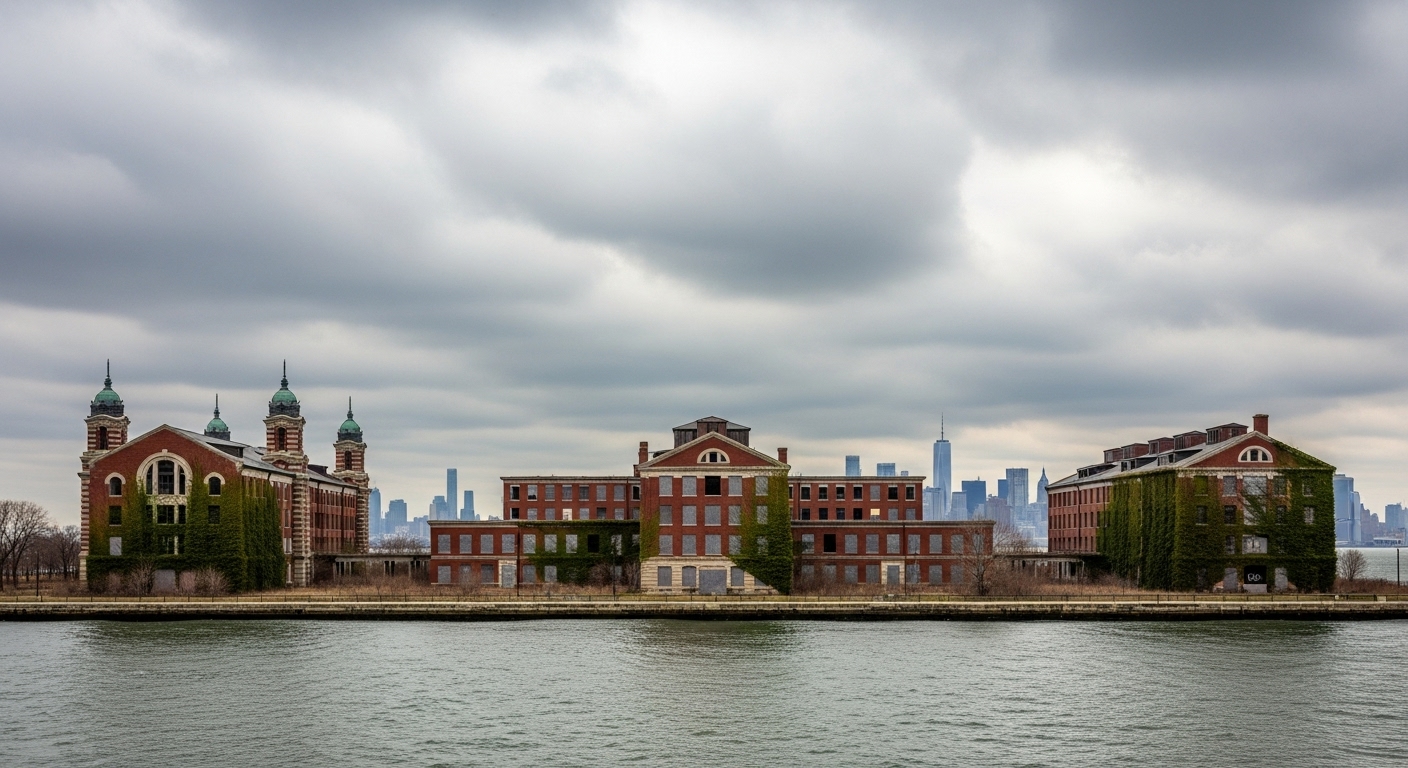
Ellis Island is widely remembered as the main immigration gateway to the United States, but few realize it also functioned as a major quarantine and medical inspection center. Between 1892 and 1954, over 12 million immigrants passed through this small island in New York Harbor.
Doctors conducted rapid health inspections, marking immigrants with chalk if they suspected illness. Those flagged were sent to the island’s hospital complex, sometimes separated from family members without explanation.
Many immigrants feared Ellis Island more than the long sea journey. While most were eventually cleared, others were detained for weeks or deported. Today, Ellis Island serves as a museum, preserving the stories of hope and heartbreak experienced within its walls.
Lazzaretto Vecchio, Italy – The Birthplace of Quarantine
Located in the Venetian Lagoon, Lazzaretto Vecchio is considered the world’s first purpose-built quarantine station. Established in the 15th century, it played a crucial role during outbreaks of the Black Death.

Ships arriving in Venice were required to anchor offshore while passengers and goods were inspected. Those suspected of infection were sent to Lazzaretto Vecchio for isolation. The term “quarantine” itself comes from the Italian word “quaranta,” meaning forty, referring to the 40-day isolation period.
Archaeological discoveries on the island reveal mass graves, medical instruments, and personal belongings of those quarantined. Visiting today feels like stepping into a silent archive of Europe’s fight against plague.
Grosse Île, Canada – Immigration and Disease Control
Situated in the St. Lawrence River, Grosse Île served as Canada’s main quarantine station during the 19th century. It became especially significant during the Irish famine when thousands of immigrants arrived sick and starving.
Overcrowding, limited medical knowledge, and poor conditions led to many deaths. Entire families were separated, and burial grounds expanded rapidly. Despite the tragedy, Grosse Île prevented deadly diseases from spreading into mainland Canada.
Today, the island is a national historic site, honoring immigrants who passed through and those who never left.
North Head Quarantine Station, Australia
Australia’s isolation history is deeply tied to maritime quarantine. The North Head Quarantine Station in Sydney was used for over 150 years to isolate arrivals suspected of carrying infectious diseases.
Passengers lived in segregated areas based on class, race, and illness severity. Some were confined for weeks while others stayed months. The station includes hospitals, burial grounds, and disinfection facilities.
Now converted into a heritage and tourism site, North Head allows visitors to explore restored buildings and understand the strict quarantine measures that shaped Australia’s public health policies.

Angel Island, United States – The Forgotten Immigration Detention Center
On the West Coast, Angel Island served as both an immigration and quarantine station from 1910 to 1940. Unlike Ellis Island, Angel Island primarily processed immigrants from Asia.
Many were detained for extended periods under harsh conditions, often facing discrimination and intense interrogation. Medical inspections were used not only to detect illness but also to restrict immigration.
The preserved barracks still bear poems carved into walls by detainees, expressing despair, hope, and resistance. Angel Island stands as a powerful reminder that quarantine has often intersected with social and political agendas.
Robben Island, South Africa – Beyond Political Prison
Before it became infamous as the prison where Nelson Mandela was held, Robben Island was used as a leper colony and quarantine station. Those suffering from leprosy and mental illness were isolated from society and sent to the island.
Conditions were harsh, and many patients received little medical care. Over time, Robben Island transitioned through various roles, including military base and political prison.
Today, Robben Island is a UNESCO World Heritage Site, telling layered stories of isolation, injustice, and resilience.
Life Inside Quarantine Islands
Life on quarantine islands was marked by uncertainty. People waited days or months without knowing if they would recover, be released, or die. Communication with the mainland was limited, and fear often overshadowed compassion.
Medical staff worked with limited knowledge, relying on observation rather than treatment. Despite this, quarantine saved countless lives by slowing the spread of disease.
Have you ever thought about how different modern pandemics might look without centuries of lessons learned from these islands?
Fear, Stigma, and Human Cost
While quarantine protected societies, it also caused immense emotional suffering. Many isolated individuals faced stigma, discrimination, and abandonment. Some islands became permanent exile zones for those deemed incurable.
Understanding Historic Islands Once Used as Quarantine Stations requires acknowledging both their lifesaving role and their human cost.
Modern Lessons from Historic Quarantine Islands
The COVID-19 pandemic reminded the world that quarantine is still a powerful tool. While modern methods rely more on home isolation and digital tracking, the core principle remains the same.
These historic islands offer lessons in preparedness, compassion, and ethical public health decision-making. They remind us that protecting society should never mean forgetting humanity.
Visiting These Islands Today
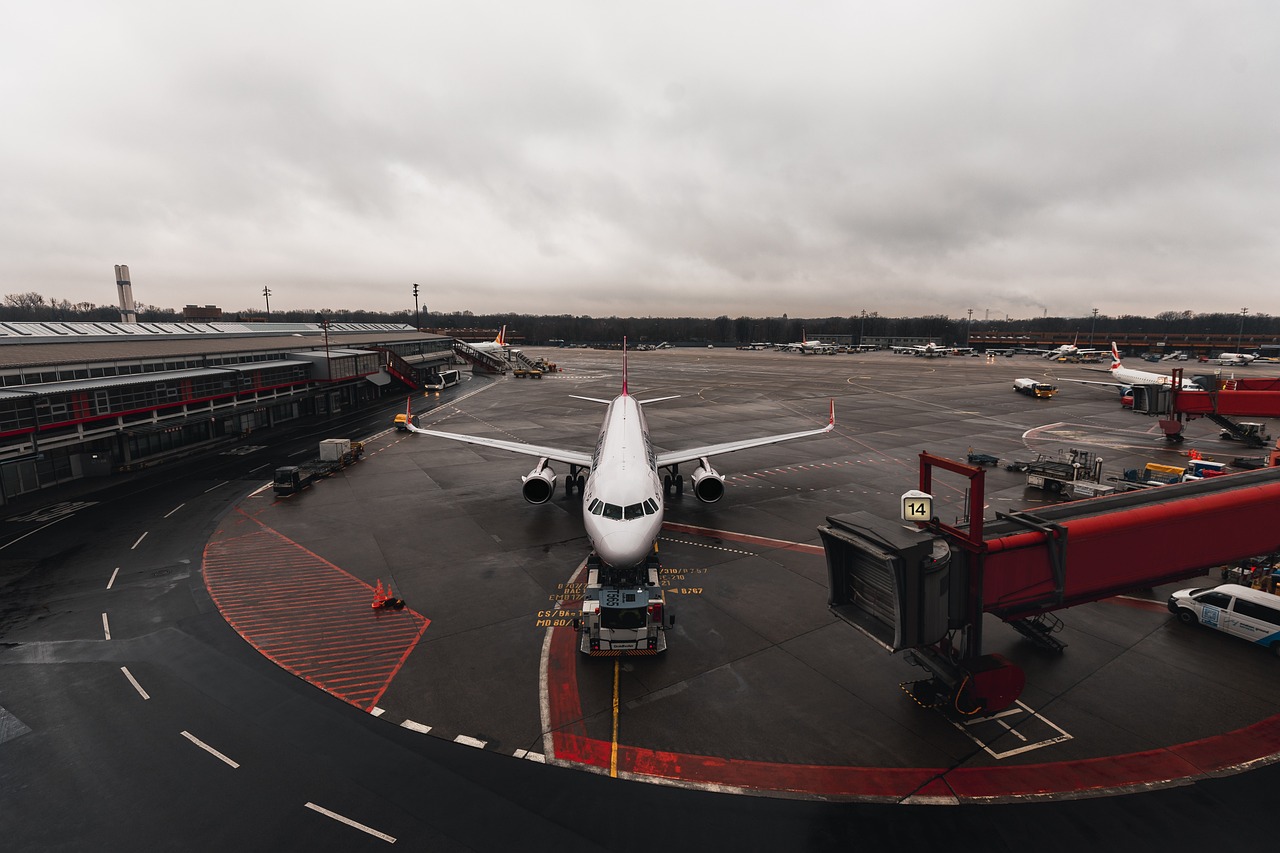
Many former quarantine islands are now museums, heritage sites, or protected parks. Airlines such as Qantas and Air Canada connect travelers to cities near these historic locations. Visitors can walk through restored hospitals, read personal stories, and reflect on how isolation shaped global history.
Historic Islands Once Used as Quarantine Stations are powerful symbols of humanity’s fight against disease. They tell stories of fear, resilience, injustice, and survival. These islands helped shape modern public health systems and continue to remind us of the importance of preparedness and empathy.
If history hidden within landscapes fascinates you, follow us on our social media platforms for more untold travel stories. And tell us—would you visit one of these islands, or would the history be too heavy to experience?
Catch up on the top stories and travel deals by subscribing to our newsletter!