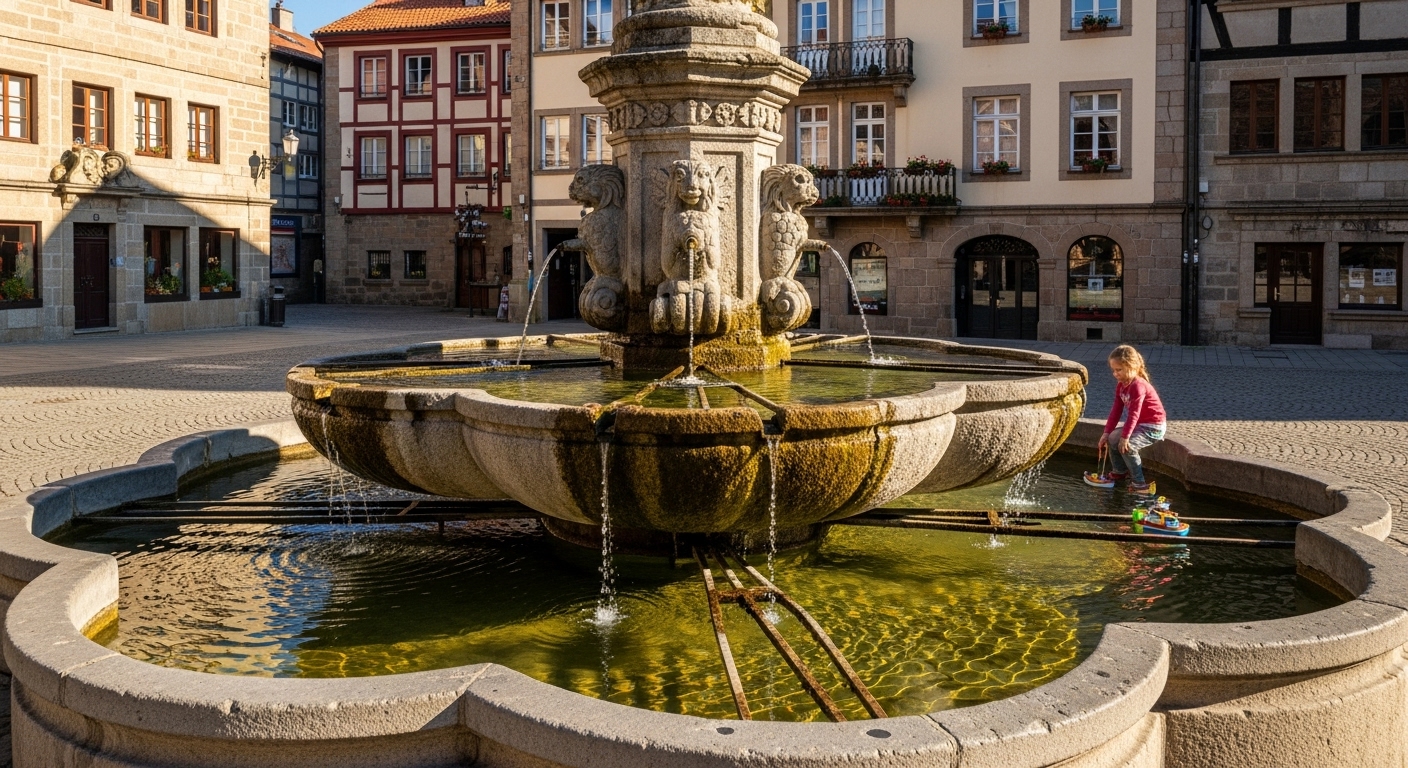
Across the world, there are cities where water is not just something you drink or use. It is a story, a heritage, a centuries-old ritual that people still follow today. In such places, city springs and fountains with tasting traditions are more than beautiful landmarks. They are living testaments to culture, identity, and community. These springs represent history flowing right beneath the city streets, shared between generations, and offered freely to everyone who wants to taste it.
Some travelers visit cities for food, monuments, shopping, nightlife, or scenery. But have you ever visited a city for its water? It may sound unusual, but in many regions of Europe, Asia, the Middle East, and even the Americas, tasting water from natural or historic city fountains is a celebrated tradition. This blog takes you deeply into that world. From the stories behind these springs to the rituals of tasting and the communities that preserve them, you’ll discover something refreshingly unique. Are you ready to explore the cities where water becomes a cultural experience?
The Magic Behind City Springs and Their Tasting Traditions
Not all water tastes the same. That’s why thousands of travelers seek out famous springs, fountains, and public wells to taste water directly from nature. City springs and fountains with tasting traditions stand apart from ordinary water sources. Their flavor, mineral content, temperature, clarity, and even scent are shaped by geology. Underground limestone layers, mountain snowmelt, volcanic stone passages, and natural filtration create complex flavors that cannot be replicated in bottled water.
But more than the water itself, the experience matters. The act of visiting a fountain, cupping your hands, filling a cup, or bending to drink from a spout has been part of human tradition for centuries. Imagine stopping at a historic urban fountain, just like travelers did hundreds of years ago. Would you take a sip? Or would you be curious about how the water compares to modern purified water?
Why These Water Traditions Fascinate Travelers
In tourist-heavy cities, it is easy to feel overwhelmed by crowds, long lines, and commercial attractions. That is why natural springs and public fountains feel refreshing. They offer authenticity. Travelers who seek meaningful experiences often look for quiet encounters with history and tradition — and drinking from an ancient city spring is exactly that.
People love these traditions because they connect you to:
- the city’s natural resources
- the community’s culture
- the land beneath your feet
- the practices of ancestors
Have you ever tasted water that surprised you? Water that felt unusually fresh or crisp? These fountains often offer that moment.
Famous Cities Known for Their Tasting Traditions
While many cities have fountains, only a few have long-standing traditions of drinking from them. Below are some globally recognized places where tasting water is part of local culture:
- Rome, Italy — Home to over 2,500 public fountains called nasoni, offering cold, delicious spring water.
- Istanbul, Türkiye — Historic Ottoman fountains still provide drinkable spring water to locals.
- Karst Region Towns, Slovenia — Natural limestone-filtered water flows to village fountains.
- Heidelberg, Germany — Old market wells with mineral-rich water.
- Kandy, Sri Lanka — Sacred springs associated with religious rituals.
- Kyoto, Japan — Shrine-based springs where water tasting is spiritual and cultural.
- Mexico City — Ancient aqueduct-fed springs in outlying districts.
Each has its own story. Some fountains were built by kings, others by monks, emperors, or village communities. Some are tied to religious ceremonies. Others were essential for survival during historical droughts. Which type of water story do you find the most interesting — the scientific side, the cultural side, or the historical side?

The Science of Why Spring Water Tastes Different
Not all water comes from the same source, and this is exactly why city springs and fountains with tasting traditions are so fascinating. Natural spring water often travels through underground pathways for decades. During this journey, water picks up minerals that affect:
- flavor
- texture
- coldness
- clarity
- color
For example:
- Limestone adds smoothness.
- Volcanic rock adds crispness.
- Minerals like calcium or magnesium add richness.
- Low-sodium waters taste lighter.
- Iron-rich waters can taste metallic.
Some travelers describe certain spring waters as sweet. Others say they feel silky. Have you ever tasted water that felt heavy or light? Spring water can surprise you.
Cultural Rituals Connected to Drinking from Sprigs and Fountains
In many cities, tasting water is part of traditional rituals. Some families drink from certain fountains on New Year’s Day for good luck. Others drink before exams, weddings, or festivals. Travelers also join these traditions, turning a simple sip into a meaningful moment.
Examples of cultural rituals include:
- drinking from a shrine fountain for blessings
- filling bottles on religious holidays
- using spring water for cooking ceremonial dishes
- following ancient tasting routes in old towns
- drinking from healing springs believed to improve health
Even if you’re not spiritual, these rituals feel special. They offer a glimpse into how deeply water is tied to identity.
The Urban Beauty of Spring Fountains
City springs are often architectural masterpieces. Some are carved in marble. Others shaped into stone basins or decorated with lions, dolphins, mythical creatures, or geometric patterns. Some fountains are small and humble, while others dominate entire plazas.

The beauty of these fountains makes them popular photography locations, but they are not just for taking pictures. They are places where people live, gather, rest, talk, meet, and remember. Have you ever noticed how water features instantly make a public place feel more welcoming?
Finding the Best City Springs With Tasting Traditions
Travelers often wonder how they can find authentic springs. Many are hidden in narrow alleyways, beside temples, behind markets, or at the edge of historic districts. Walking tours often highlight them, but exploring on your own feels more exciting.
When searching for city springs and fountains with tasting traditions, keep an eye out for:
- locals filling bottles
- stone basins that look old
- inscriptions or carvings
- crowds gathering early morning or evening
- signage indicating safe drinking water
The best fountains are often the least advertised. The ones locals treasure but tourists overlook.
What Does It Feel Like to Taste Water From a Historic Fountain?
Travelers often expect dramatic flavors but are surprised by something simpler — the freshness. The water tastes alive, natural, and crisp. The temperature is often cold, even on hot days. There is something calming about drinking water directly from a flowing source, especially when surrounded by centuries-old architecture.
Many visitors describe the experience as grounding. Authentic. Real. If you tasted water from a city fountain, would you compare it to bottled water? Or would you focus more on the experience itself?
How to Taste Water Respectfully
Just because fountains offer water does not mean they should be used carelessly. Respect matters. When visiting city springs and fountains with tasting traditions, follow these guidelines:
- Use the designated drinking spouts, not ornamental areas.
- Do not wash hands or feet in drinking fountains.
- Avoid blocking others who want to drink.
- Do not waste water unnecessarily.
- Avoid climbing or leaning on historic structures.
- Use personal cups or bottles if possible.
- Be mindful of cultural or religious rules around certain fountains.
Respect ensures these traditions remain for future generations.
The Stories Behind Tasting Traditions
Some springs were believed to be healing. Others were associated with legends, miracles, or local heroes. Some were built during droughts as community survival projects. Others became symbols of unity during war or hardship.
Every fountain has a story. Some stories involve kings and emperors. Others involve common villagers who protected water sources. Knowing these stories turns a simple drink of water into a deeper experience.
Local Communities Who Protect These Springs
In many cities, the responsibility of protecting springs falls to local communities — cultural groups, neighborhood associations, elders, temple caretakers, or public water authorities. These people:
- clean the fountains
- preserve historic architecture
- monitor water quality
- educate visitors
- ensure traditions continue
Their dedication allows travelers to enjoy water that tastes exactly as it did centuries ago. Would you be interested in learning about the people behind these traditions?
A Traveler’s Guide to Experiencing Tasting Traditions
If you want to make the most of your visit, here are some simple steps:
- Start your morning with a walk to the nearest fountain.
- Bring a reusable bottle.
- Ask locals where the best-tasting fountains are.
- Pay attention to how people drink and follow their customs.
- Pause and appreciate the surrounding architecture.
- Take a quiet moment to reflect.
The experience is not about rushing. It is about slowing down, observing, tasting, and connecting.
Why These Traditions Are Worth Preserving
Urban fountains still matter today. They provide free public water, reduce bottled water waste, honor cultural identity, and beautify city spaces. They remind us that water is not just a resource — it is a gift and a shared heritage. Modern cities often forget the value of simple traditions, but water tasting keeps them alive.
After learning about city springs and fountains with tasting traditions, would you seek one out during your travels? Would you enjoy tasting the water, learning the history, or watching locals participate in rituals? Or do you think modern travelers overlook simple experiences like these? Share your thoughts — your voice helps shape our next stories. If you enjoy discovering meaningful, authentic, and culturally rich travel traditions, keep following WentWorld. We bring hidden travel stories to life.
Catch up on the top stories and travel deals by subscribing to our newsletter!