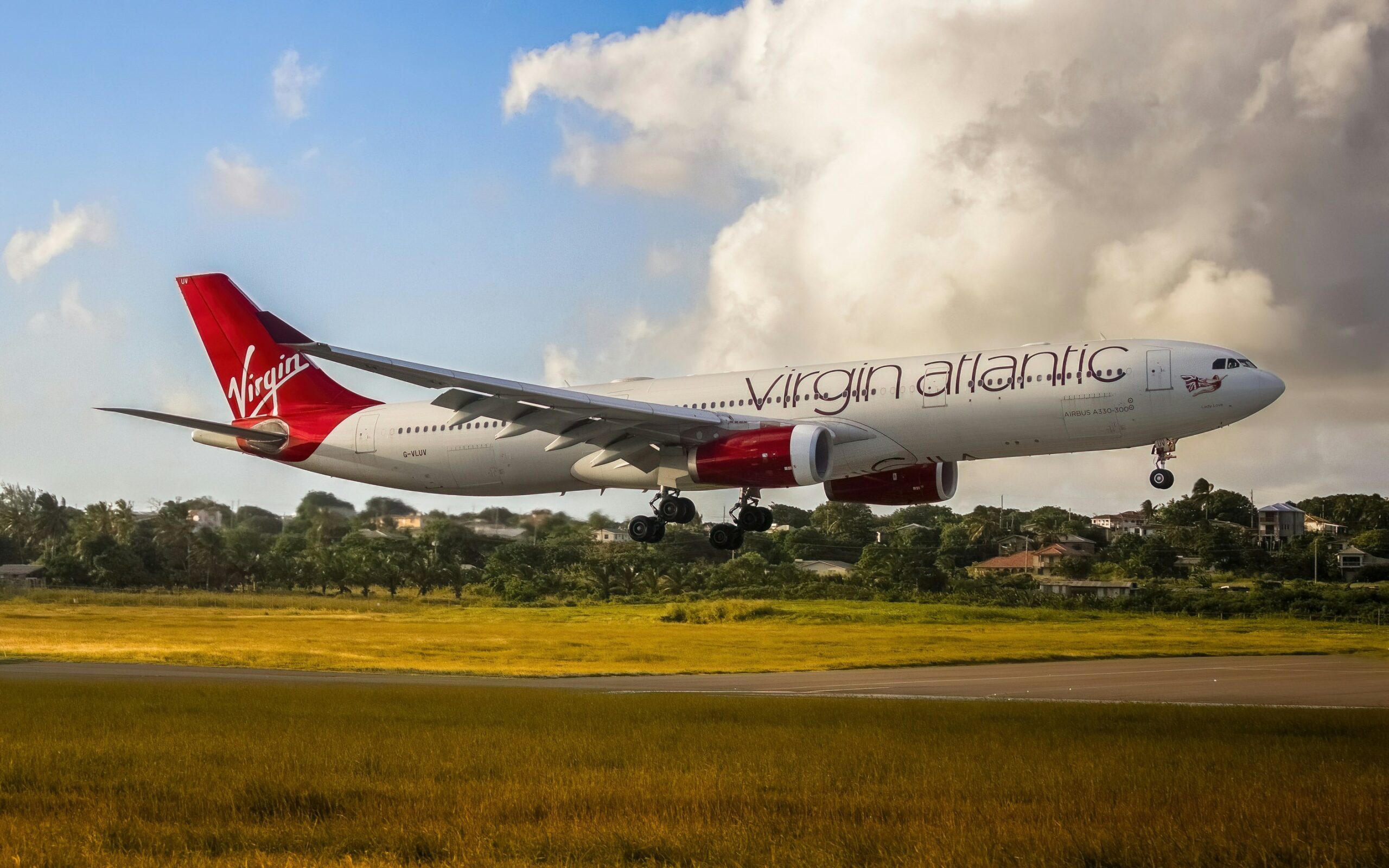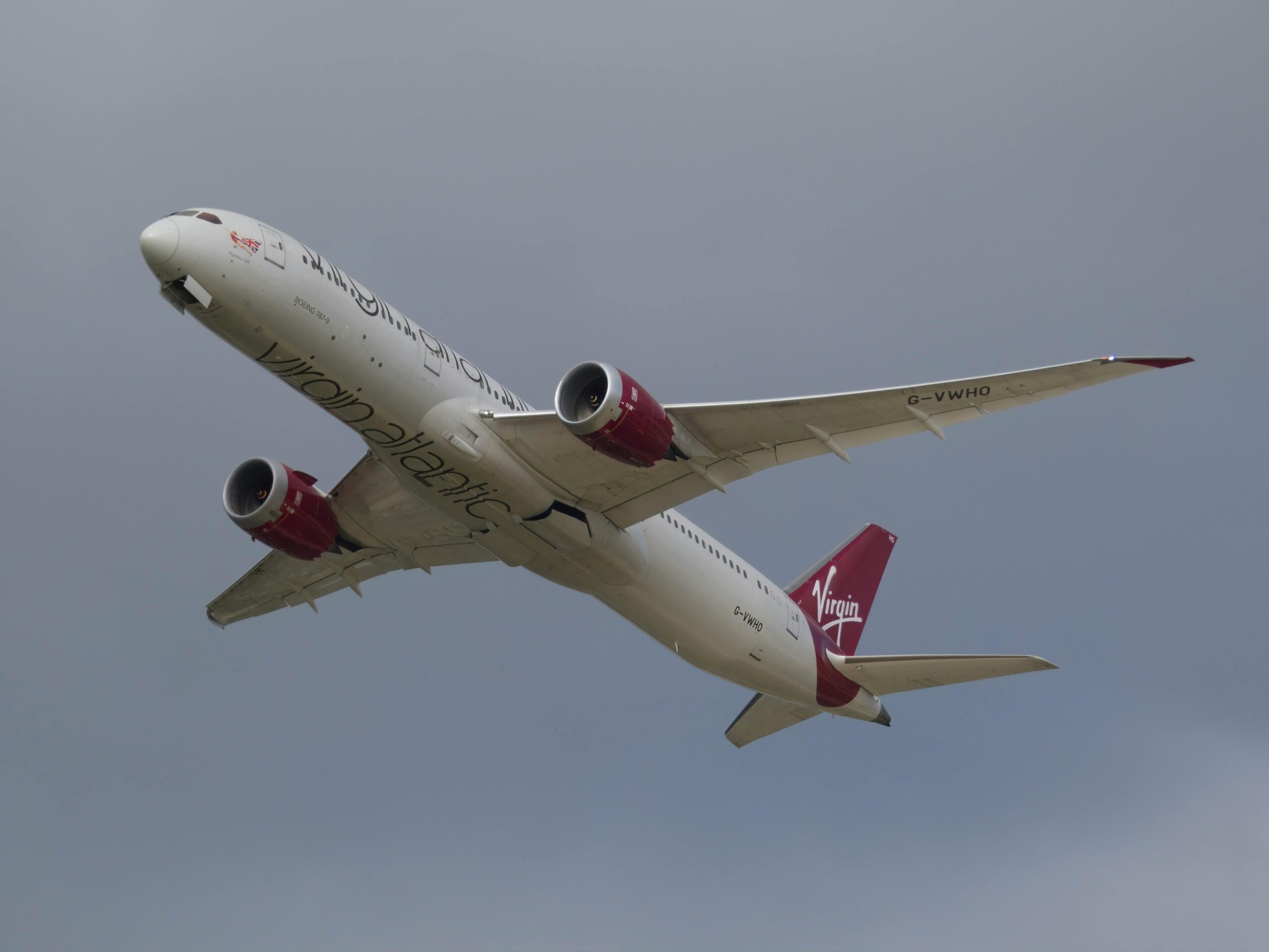
Virgin Atlantic travelers flying from London to New York faced chaos upon arrival at JFK Airport. Instead of relief, passengers felt anger as they collected luggage drenched in foul-smelling brown grease. Immediately, videos flooded social media, driving global outrage within hours.
Because of a broken kitchen drainage pipe at JFK, the baggage became severely contaminated. As a result, passengers compared the mess to sewage. Moreover, many suitcases were permanently ruined, forcing travelers to buy new ones. Despite this, the airline moved quickly to offer support and sanitation guidance.
Although the issue began on the ground, Virgin Atlantic suffered massive online criticism. Even so, the airline clarified that the aircraft was not involved. Still, travelers expected better safeguards at major international airports. Consequently, the incident damaged trust and heightened scrutiny on baggage systems.
Passengers felt emotionally drained and financially burdened by the cleanup. Meanwhile, some reported health concerns due to the odor and residue. Because their belongings were unsalvageable, many travelers felt helpless and angry. Therefore, the demand for accountability grew louder every hour.
Eventually, JFK authorities repaired the faulty pipe. However, that action failed to erase the damage already done. Airlines like Virgin Atlantic now face pressure to ensure safe, clean baggage transfers. Likewise, airports must monitor infrastructure more closely to prevent such incidents.
As air travel rebounds worldwide, the stakes continue to rise. Notably, customers now expect a flawless experience from check-in to baggage claim. Thus, even a single mishap can tarnish a brand’s reputation overnight. The Virgin Atlantic fiasco stands as a harsh reminder of that truth.
Related stories:
Catch up on the top stories and travel deals by subscribing to our newsletter!