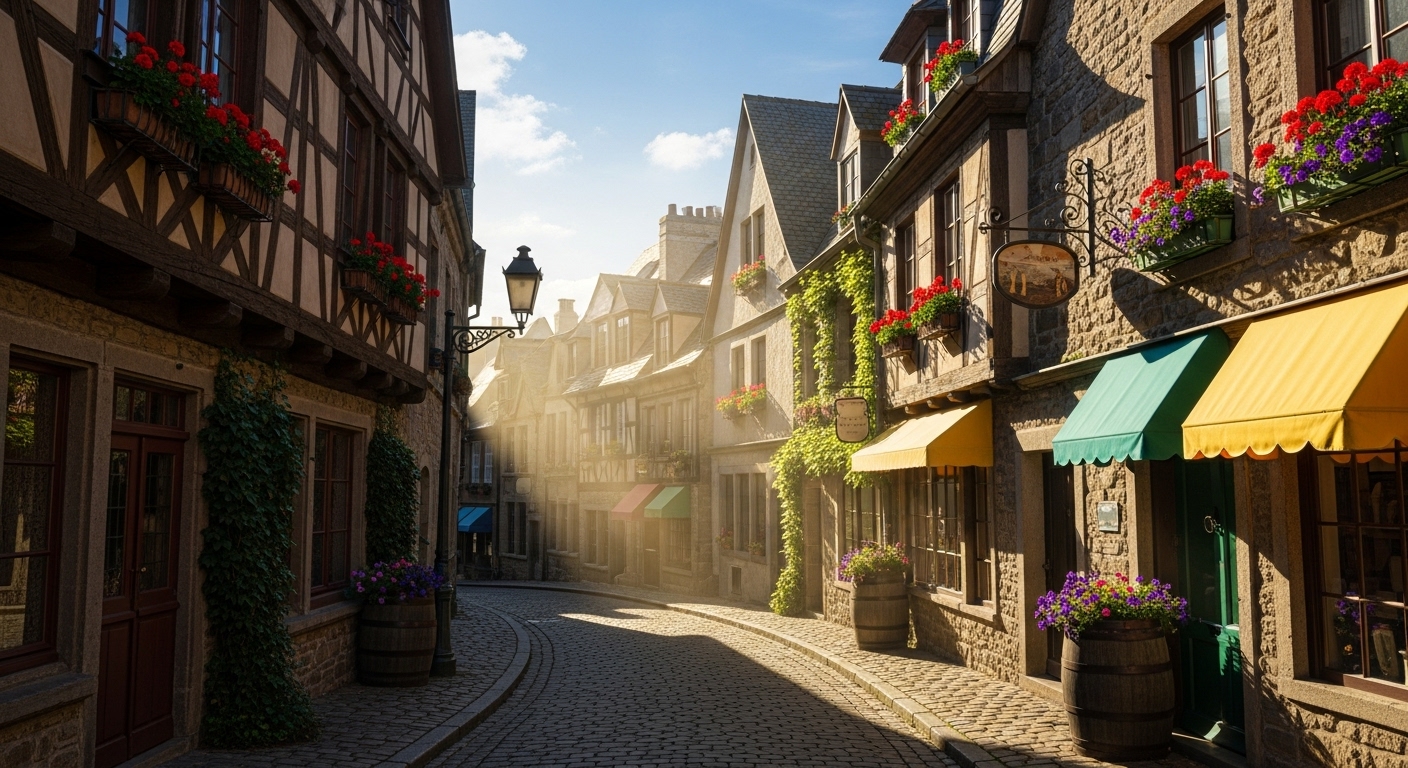
Imagine stepping into a town where the streets are lit only by sunlight or soft lanterns at night, where buildings echo centuries of history, and electricity has yet to change the rhythm of daily life. Heritage towns preserving pre-electric architecture offer exactly that—a chance to experience urban life as it existed before modern power grids transformed society. Walking through these towns feels like traveling back in time, witnessing architecture, culture, and community routines that have endured for generations.
Unlike typical tourist destinations, these towns maintain their authenticity. Streets are narrow and cobblestoned, windows are crafted by hand, and buildings retain traditional materials like wood, stone, and clay. The charm is not artificial; it’s an intentional preservation of heritage, a living museum where history is still alive.
Before we explore some of the most remarkable heritage towns preserving pre-electric architecture, ask yourself: when was the last time you experienced life without modern conveniences shaping the surroundings?
Why Heritage Towns Preserving Pre-Electric Architecture Are Unique
Heritage towns preserving pre-electric architecture stand out because they resist the fast-paced changes of modern urbanization. Their streets, buildings, and public spaces were designed for life without electricity. Ventilation, lighting, and communal spaces were carefully thought out to meet human needs naturally. This gives visitors a rare perspective on sustainable, human-centered design.
These towns also reveal how communities lived closely with nature. Large windows face prevailing winds, courtyards maximize sunlight, and materials were chosen for their ability to regulate temperature naturally. Unlike modern structures, these buildings offer lessons in resilience, resourcefulness, and environmental harmony.
Famous Heritage Towns Preserving Pre-Electric Architecture
Across the world, certain towns have earned recognition for their dedication to preserving pre-electric architecture. Here are some noteworthy examples:
1. Gjirokastër, Albania: This UNESCO World Heritage site features stone houses with sloping roofs and intricate woodwork. Streets wind like natural canals, and lanterns or sunlight provide illumination rather than electric lights. The town’s architecture reflects Ottoman influences, adapted ingeniously to local climate.
2. Hahoe Village, South Korea: Famous for its traditional hanok houses, Hahoe Village has maintained its pre-electric design principles. Thatched roofs, wooden beams, and open courtyards allow natural light and airflow, preserving both comfort and historical authenticity.
3. Colmar, France: While partially electrified for convenience, Colmar’s old quarter retains medieval streets and timber-framed houses. The charm of walking through half-timbered structures evokes life from centuries past, with shadows and natural light enhancing the ambiance.
4. Shirakawa-go, Japan: This village is renowned for gassho-zukuri farmhouses with steep thatched roofs. Many buildings were constructed without electricity, relying on firelight and daylight. The design perfectly suits snowy winters, channeling insulation and natural heat retention.
5. Bhaktapur, Nepal: Known for its Durbar Square and ancient houses, this town preserves its historical essence with narrow alleys and hand-carved windows. Public courtyards remain central to community life, reflecting pre-electric social structures.
What It Feels Like to Explore Heritage Towns Preserving Pre-Electric Architecture
Walking through these towns is an immersive experience. The absence of modern neon signs and streetlights allows the human eye to perceive details often overlooked in urban life. Sunlight filters through wooden beams, casting intricate shadows on cobblestones. Doors, windows, and carvings tell stories of generations who built the town with care and purpose.
Sounds differ too. Without electric hums, visitors hear footsteps, birds, water flowing from wells, and occasional market chatter. The atmosphere feels organic, intimate, and remarkably calm compared to bustling modern cities.
Have you ever experienced a place where every corner whispers a story? These heritage towns provide that sensation effortlessly.
Architecture and Design in Pre-Electric Towns
Pre-electric architecture focuses on function, natural resources, and community needs. Buildings are oriented for sunlight, materials regulate temperature, and courtyards provide communal spaces. Streets are narrow, minimizing exposure to wind while creating social hubs. Roofs are designed for rain and snow management, often steep or overhanging. Windows maximize daylight while minimizing drafts.
Unlike contemporary architecture, which often prioritizes technology, these heritage towns remind us that design can harmonize with environment, human rhythm, and aesthetics without relying on electricity.

Preservation Efforts and Challenges
Maintaining heritage towns preserving pre-electric architecture is no small feat. Challenges include:
- Modernization pressures from tourism and urban development.
- Climate change impacting structural integrity of old materials.
- Balancing visitor access with preservation.
- Limited funding for restoration and upkeep.
Communities often respond by setting strict regulations, offering heritage tours, and promoting sustainable tourism. Restoration projects prioritize traditional techniques, using original materials to maintain authenticity.
Cultural and Historical Significance
These towns are living history books. They demonstrate how societies functioned before the industrial age, providing insights into social organization, craftsmanship, and community values. Courtyards hosted festivals, streets facilitated trade, and buildings reflected cultural identity. Visitors gain a tangible connection to the past, understanding life in ways that textbooks cannot convey.
Moreover, preserving pre-electric architecture emphasizes sustainability. Many design elements, like natural ventilation, daylighting, and passive heating, offer valuable lessons for modern architects seeking environmentally friendly solutions.
Tourist Tips for Visiting Heritage Towns
When exploring heritage towns preserving pre-electric architecture, consider these tips:
- Walk slowly and observe details in architecture, materials, and street layout.
- Engage with local artisans to understand traditional crafts.
- Visit during off-peak hours to experience authentic daily life.
- Respect local customs and preservation rules.
- Take guided tours to learn historical context and architectural insights.
- Bring natural light photography tools; many spaces have limited artificial lighting.
Why These Towns Inspire Travelers
Heritage towns preserving pre-electric architecture captivate travelers for several reasons. They provide a sensory experience, combining sight, sound, and atmosphere in ways modern cities rarely can. They offer perspective, showing how humans adapted to their environment without modern technology. Finally, they foster connection—to culture, history, and the pace of life itself.
Visitors often leave with a sense of calm and reflection, having slowed down to appreciate simplicity, craftsmanship, and human ingenuity. These towns remind us that life can be meaningful, even without the constant presence of electricity.
Photography Opportunities
These towns are ideal for photography, offering:
- Soft natural lighting through wooden windows and courtyards.
- Intricate textures in stone, wood, and clay buildings.
- Narrow alleyways creating leading lines and perspective shots.
- Cultural moments like markets, festivals, or artisans at work.
- Panoramic views from elevated areas highlighting town layout.
Heritage towns preserving pre-electric architecture allow us to experience history first-hand. They show how societies thrived with ingenuity, sustainability, and a deep connection to their environment. Walking their streets, exploring their homes, and observing daily life is an unforgettable journey.
Would you explore a town where modern electricity has little presence, relying instead on natural light, fire, and human ingenuity? Which heritage town preserving pre-electric architecture would you love to visit first? Share your thoughts and experiences with us!
For more incredible destinations and insights into hidden worlds, follow WentWorld on our social media platforms and join our journey of discovery, history, and adventure.
Catch up on the top stories and travel deals by subscribing to our newsletter!