Have you ever wondered how places that existed thousands of years before GPS, smartphones, and global air travel are still functioning today? It’s not just a testament to human ingenuity — it’s a story of trade, culture, and adaptability. When we talk about Ancient Ports Still Operating Today, we aren’t just referring to dusty ruins; we’re referring to bustling gateways that continue to shape global commerce, culture, and connection.
This focus keyphrase — Ancient Ports Still Operating Today — isn’t just a phrase. It represents living history, where past and present coalesce at the water’s edge. From the Mediterranean to Asia, from historic trade crossroads to modern mega-ports, these seaports carry stories older than most civilizations. What makes them incredible isn’t just their age, but their ongoing evolution and relevance in the modern world.
What Does It Mean to Be an Ancient Port Still Operating Today?
Ports were the ancient world’s highways. They connected empires, merchants, pilgrims, and adventurers across continents. Today, while many are archaeological sites, a select group are still in operation — serving millions, handling cargo, and welcoming cruise ships. These aren’t relics of a distant past; they are living museums. Many modern travelers pass through them unaware of their deep heritage.
Before we dive into the stories of these ports, let me ask you a question: Have you ever visited a place where you could literally walk the same quay that traders walked 2,000 years ago? If so, tell us about your experience in the comments below!
1. Port of Byblos: A Phoenician Heartbeat on the Mediterranean
Let’s begin with one of the oldest continually inhabited cities in the world — Byblos, located in modern-day Lebanon. The Port of Byblos dates back to around 5000 BCE, making it one of the earliest maritime hubs in human history. It was here that Phoenician traders launched ships laden with timber, purple dye, and luxury goods to far-flung markets.
When we speak of Ancient Ports Still Operating Today, Byblos frequently tops the list. Today, tourists and local fishermen share the same waters once navigated by ancient mariners. Walking along the piers, you can almost hear the echoes of chants and trades in languages long lost.
Today, this port remains alive with activity — fishing boats, small cargo vessels, and cruise visitors. While it no longer serves as a dominating commercial hub like Singapore or Shanghai, its cultural and historical relevance makes it an active port in every sense.
2. The Port of Jaffa: Where the Bible Meets Modern Israel
Ever heard of the ancient story of Jonah and the whale? Or of pilgrimages to Jerusalem? The Port of Jaffa in modern-day Tel Aviv, Israel, has been referenced in some of the oldest literary texts. For millennia it was the gateway to the Holy Land — a connecting point for goods, pilgrims, conquerors, and traders from Egypt, Greece, Rome, and beyond.
Today’s Port of Jaffa remains functional as a cultural and commercial space. It has transformed from a classical trade port into a mixed-use harbor with fishing boats, yachts, galleries, cafes, and tour boats. Ships still arrive here, connecting visitors to the vibrant history surrounding every cobblestone street.
There’s a fascinating thing about Jaffa: It has seen empires rise and fall — from the Egyptians to the Ottomans. Yet, the water never left — and neither did the trade. That’s the essence of Ancient Ports Still Operating Today. These aren’t dusty parking lots for ships; they’re beacons of connectivity.

3. Port of Marseille: Roman Roots and French Resilience
Now let’s travel to Southern France. The Port of Marseille is another timeless entity. Founded around 600 BCE by Greek settlers known as the Phocaeans, it became a key Mediterranean hub. Facing the rugged coastline, this port became the lifeblood of southern European trade for centuries.
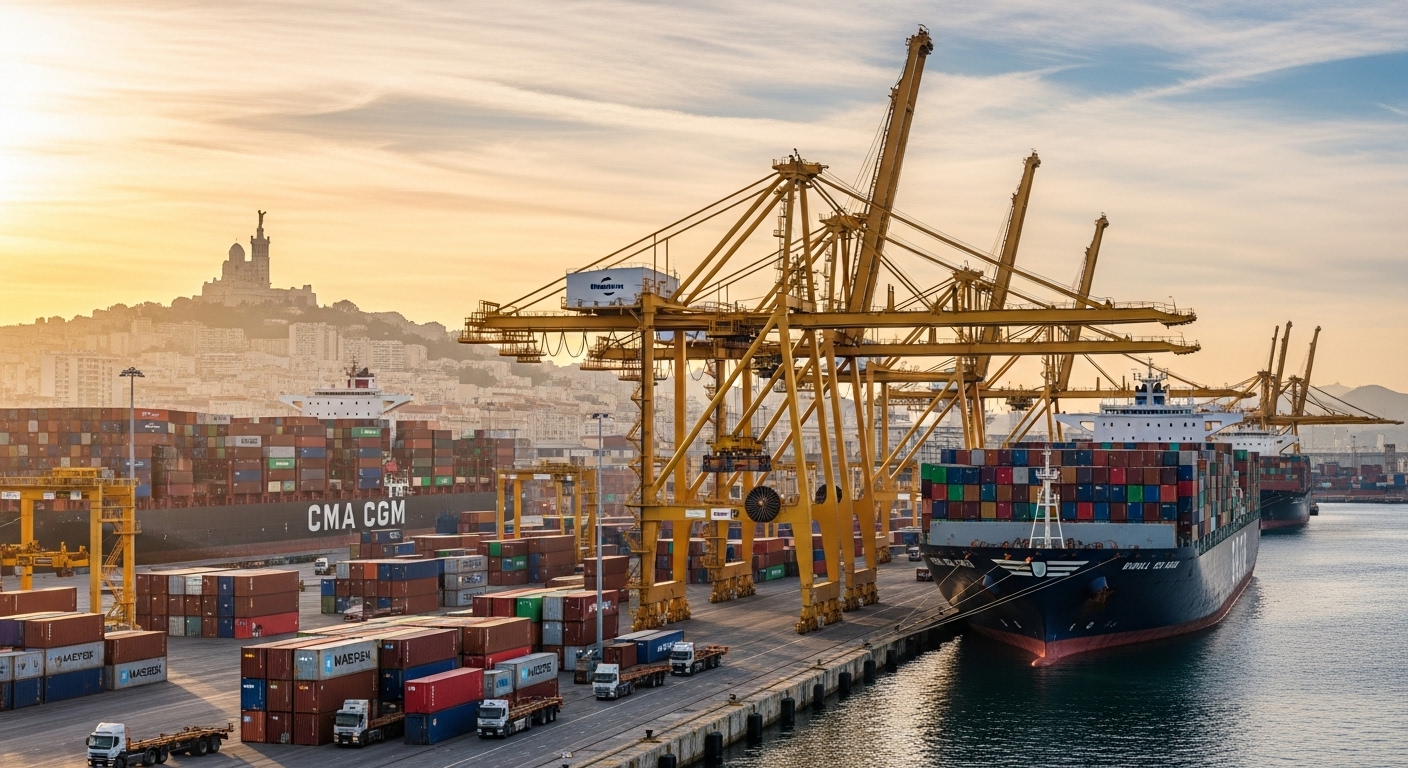
When the Roman Empire expanded, Marseille became a critical node connecting Europe to Africa and Asia. Today, this port is one of the busiest in France — handling cargo, cruise liners, and ferries. What’s remarkable is how it balances its ancient heritage with modern infrastructure. Archaeological sites sit close to container terminals — ancient stones beside cranes. To experience this contrast firsthand is to witness time’s continuum.
Have you ever considered how some places reinvent themselves while retaining their soul? Marseille is a powerful example.
4. Mumbai’s Ancient Port: Gateway of India and Beyond
If we move to the Indian subcontinent, Mumbai’s harbor stands out. While the modern structures (like the Gateway of India) are less ancient than those in the Mediterranean, the area’s maritime use dates back for over a thousand years. Indian Ocean trade routes — connecting Africa, the Middle East, and Southeast Asia — depended on these shores.
Today’s Mumbai Port remains active, handling enormous volumes of cargo and passenger traffic. It stands as testimony to maritime endurance. What’s intriguing is how ancient seafaring routes around India influenced global spice trade — routes that connected with ports in Africa, Arabia, and Southeast Asia long before European colonization.
When we reflect on Ancient Ports Still Operating Today, Mumbai brings to mind a key takeaway: ports evolve with the world, yet their essence—connection — remains unchanged.
5. Port of Alexandria: Cleopatra’s Bridge to the Mediterranean
Few places are as steeped in historical mystique as Alexandria in Egypt. Founded by Alexander the Great and expanded under the Ptolemies, the Port of Alexandria served as the Mediterranean’s beating heart. It was from here that scholars, traders, and explorers fanned out — scholars to seek knowledge, merchants to pursue profit, adventurers to chase the unknown.
Today, Alexandria is a thriving port city with modern terminals, shipping routes, and cruise liners. Yet you can still see glimpses of the ancient world — including underwater ruins believed to be remnants of Cleopatra’s palace and harbor structures.
Isn’t it fascinating to think that ships navigating these waters today cross paths, metaphorically, with vessels from the time of Cleopatra? That’s the kind of mind-bending continuity that makes these ancient ports unforgettable.
6. Istanbul’s Golden Horn: Byzantium to the Bosphorus Today
Now let us explore an ancient maritime heart that has shaped world history: the area around the Golden Horn in Istanbul, Turkey. Historically, Byzantium and later Constantinople were gateways between Europe and Asia. These harbors didn’t just handle goods — they were central to strategy, diplomacy, and empire building.
Modern Istanbul’s ports remain actively linked to global sea routes. Cargo ships, container vessels, and ferries traverse these waters daily. You can even take a ferry from the Golden Horn to the Asian side of Istanbul — a journey as old in spirit as it is modern in convenience.
What makes Istanbul special isn’t just age; it’s transformation. How does a port that once served emperors stay relevant in today’s world? By being flexible, adaptable, and deeply rooted in human movement.
Breaking Down a Common Question: Why Do Some Ports Survive and Others Don’t?
This is a question many readers ask: “Why have these ports survived when others vanished?” There’s no single answer — but here are a few common factors:
- Strategic location: Ports located at natural crossroads of trade tend to endure (like Alexandria).
- Economic utility: Ports that adapted to new forms of commerce (container shipping, logistics hubs) stayed relevant.
- Cultural layering: Places that became more than ports — cities, capitals, bridges between cultures — had resilience.
- Adaptation to technology: While the Roman harbor may not have had cranes, the modern version can still update its infrastructure.
It’s one thing to be ancient. It’s another to evolve without losing identity. Isn’t that something we all aspire to as humans?

7. The Port of Tripoli in Libya: A North African Maritime Bridge
Let’s travel back to North Africa. The Port of Tripoli, dating to Phoenician and Roman times, has been a trade gateway across the Mediterranean for centuries. Today it stands as a commercial and passenger port. Recent history adds complexity — yet the waters continue their age-old traffic.
Tripoli is another reminder that ports aren’t just economic engines; they’re cultural junctions. Different languages, traders, and influences converged here. Standing at the shoreline, you almost feel the layers of history beneath your feet.
8. Guangzhou Port: China’s Ancient River Gateway
Now let’s move to Asia. You may know of the modern mega-port of Guangzhou, China — one of the busiest in the world. But did you know Guangzhou’s maritime history goes back over 2,000 years? It was a central node on the ancient Maritime Silk Road, connecting China to Southeast Asia, India, the Middle East, and beyond.
Today, the Port of Guangzhou is not ancient in structure, but ancient in continuous operation and historical significance. Ships from around the world dock here — containers loaded and unloaded where once came junks and sailboats bearing silk, porcelain, and spices.
Imagine that continuity — the same waterway serving global trade across millennia. It feels almost poetic.
9. The Port of Muscat: Oman’s Gateway to the Indian Ocean
The Arabian Peninsula has a long maritime history — and few places illustrate it better than the Port of Muscat in Oman. Centuries ago, Arab sailors and merchants dominated Indian Ocean travel, reaching East Africa, India, and Southeast Asia. The waters off Muscat were central to these routes.
Today’s Port of Muscat operates with modern capabilities — handling oil, goods, and passenger traffic — yet it remains a link to a time when dhows (traditional sailing vessels) ruled these routes. The spices, frankincense, and other goods traded here helped shape early globalization.
Have you ever thought about how something as simple as a boat could transform an entire region’s economy? Ports like Muscat prove that sometimes, the smallest technologies leave the biggest legacies.
10. Ancient Lessons for Modern Travelers and Entrepreneurs
You may be wondering: “Why does any of this matter to me?” Great question. Here’s why:
- History teaches resilience. These ports survived because they adapted.
- Connectivity is timeless. Trade, communication, and exchange define human progress.
- Cultural exchange doesn’t end. Ancient ports were international — much like today’s digital world.
Whether you’re a student, traveler, entrepreneur, or simply curious — understanding these ports can inspire you. How? By showing that locations — and by extension, ideas — that adapt survive.
So let me ask you this: **Which ancient port would you visit if you could travel back in time?** Share your thoughts below — I’d love to hear which one calls to you and why!
Our journey through Ancient Ports Still Operating Today reveals a common theme: humanity is connected by water. Whether it’s the Mediterranean, the Indian Ocean, or the South China Sea, these ports are reminders that history isn’t just in books — it’s in the places we walk, the ships we board, and the stories we share.
These ports missed neither wind nor wave — surviving conquests, climate changes, and technological revolutions. They stand as enduring beacons of connection, trade, and cultural fusion. As you explore the world, whether physically or through stories, remember: some places carry the heartbeat of centuries — or even millennia.
If you enjoyed this deep dive into ports that have stood the test of time, don’t forget to come back and share your travel plans, memories, or insights on other ancient places that still thrive today. And if you want more stories that connect past and present while inspiring your next adventure, make sure to follow WentWorld on our social media pages!
Catch up on the top stories and travel deals by subscribing to our newsletter!