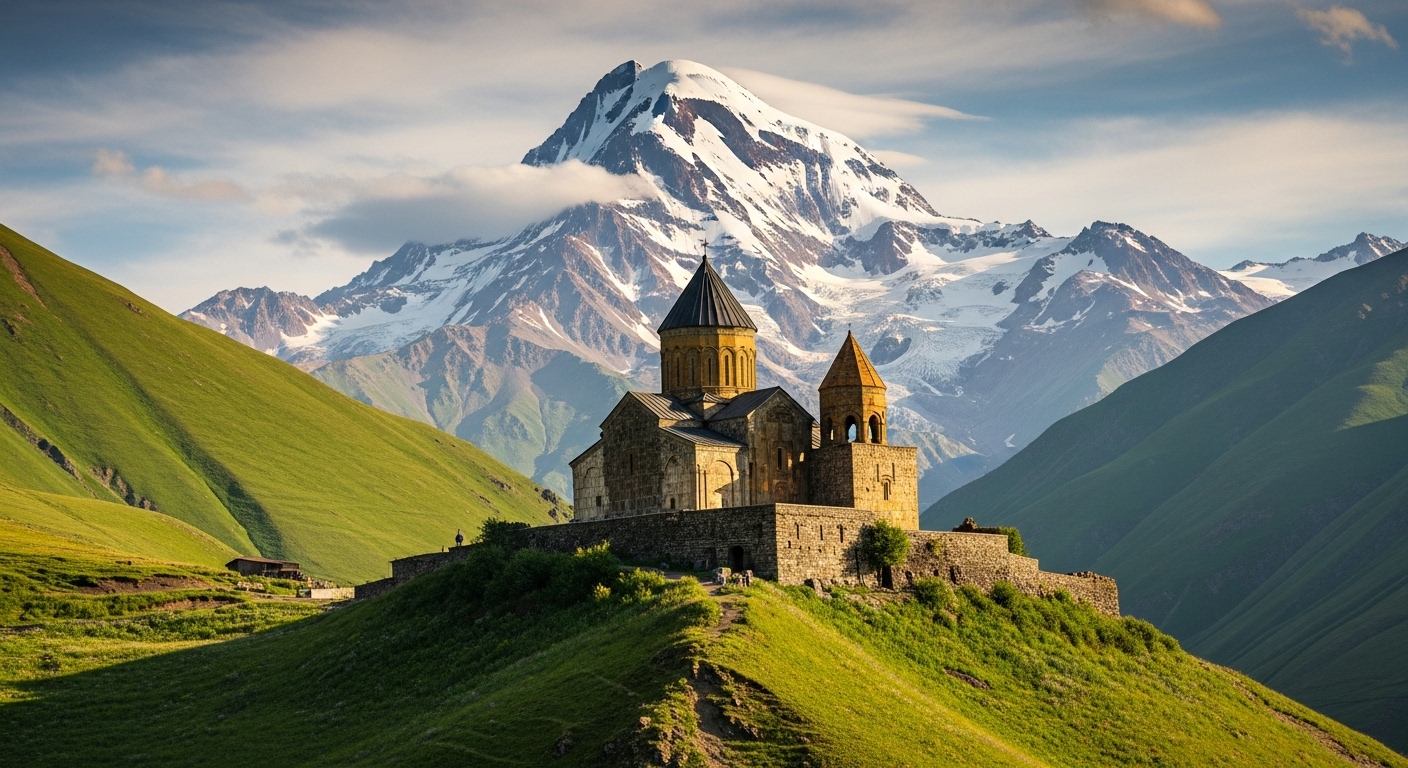
What if I told you there’s a region where snow-capped mountains meet ancient monasteries, where wine flows like water, and where hospitality feels like a warm hug? Welcome to the Caucasus Circle — a trio of countries that remain one of the world’s most underrated travel treasures: Georgia, Armenia, and Azerbaijan.
For first-time travelers, the Caucasus offers something truly unique: a mix of Europe and Asia, modern cities alongside medieval villages, and cultures so intertwined yet distinct that every border crossing feels like entering a new world. Whether you’re into food, nature, or history, this region is a whirlwind of experiences you’ll never forget. Moreover, it’s an ideal destination for anyone seeking authenticity without the overwhelm of tourist crowds.
In this guide, we’ll explore what makes the Caucasus Circle so special, how to move between these three countries, and why this adventure deserves to be next on your list.
Where Is the Caucasus Circle?
The Caucasus Circle connects Georgia, Armenia, and Azerbaijan — three small but mighty nations nestled between the Black Sea and the Caspian Sea. They form a natural bridge between Europe and Asia, offering a fascinating mix of cultures, cuisines, languages, and religions. It’s a crossroads of civilizations that feels both ancient and new.
Many travelers begin in Tbilisi, Georgia’s capital, due to its easy visa policy and growing popularity as a digital nomad hub. From there, you can head south into Armenia, then east into Azerbaijan, completing a loop filled with contrast and wonder. As a result, this route is both practical and deeply rewarding.
Why the Caucasus Circle Is Perfect for First-Timers
If you’ve never traveled this region before, don’t worry — the Caucasus Circle is beginner-friendly. English is common in tourist areas, transportation between capitals is simple, and the locals are famously hospitable. In addition, each country is compact, so you can experience diverse landscapes within a few hours’ drive.
However, convenience isn’t the only reason to visit. What truly makes this region unforgettable is connection. You’ll meet people proud of their traditions yet eager to share them. You’ll taste dishes that tell centuries of stories. You’ll see mountains that make you pause and breathe deeply. In short, this isn’t just sightseeing; it’s soul-sightseeing.
Stop 1: Georgia – The Gateway to the Caucasus
Begin your Caucasus Circle adventure in Tbilisi, a city that feels like a living history book. Colorful balconies overlook cobblestone streets, while modern bridges shine beside medieval churches. The aroma of khachapuri (cheese bread) drifts through the air, reminding you that food here is both comfort and culture.
Don’t miss:
- Narikala Fortress: Hike or take a cable car for panoramic city views.
- Abanotubani Baths: Soak in natural sulfur springs that have soothed travelers for centuries.
- Wine Tasting: Georgia is the birthplace of wine — 8,000 years of tradition bottled with pride.
- Kazbegi: Just three hours from Tbilisi, this mountain town offers breathtaking alpine beauty.
What’s unforgettable about Georgia is how effortlessly it blends warmth, humor, and resilience. Locals often invite strangers for dinner or offer homemade wine. As you explore, you’ll realize Georgia doesn’t just welcome visitors — it adopts them.
Stop 2: Armenia – The Spiritual Heart of the Caucasus
Crossing into Armenia feels like stepping into a different rhythm. The air seems heavier with history, and the landscape exudes a quiet reverence. Armenia is the world’s first Christian nation, and its countless monasteries carved into mountainsides are a testament to faith and endurance. Moreover, its people carry a deep sense of pride in preserving their heritage.
Top places to visit include:
- Yerevan: A city of pink stone, lively cafés, and rich Soviet-era architecture.
- Geghard Monastery: A UNESCO World Heritage site, partly carved out of living rock.
- Tatev Monastery: Accessed via the world’s longest non-stop cable car — the Wings of Tatev — for incredible canyon views.
- Lake Sevan: One of the largest high-altitude lakes on Earth, perfect for a summer escape.
Armenia’s strength lies not only in its landmarks but also in its spirit. Every meal, song, and smile tells a story of resilience. Try freshly baked lavash bread, sip homemade apricot vodka, and you’ll feel part of something timeless.

Stop 3: Azerbaijan – The Land of Fire and Contrast
Completing the Caucasus Circle brings you to Azerbaijan, where old-world charm meets futuristic ambition. In Baku, glass skyscrapers shaped like flames rise beside ancient city walls. The contrast between oil-fueled modernity and deep-rooted traditions makes Azerbaijan fascinating from every angle.
Must-see highlights:
- Baku Old City (Icherisheher): Wander through narrow alleys filled with centuries-old mosques and caravanserais.
- Flame Towers: Watch the skyline light up each evening with fiery displays.
- Gobustan National Park: Explore prehistoric rock carvings and bubbling mud volcanoes.
- Qabala & Sheki: Escape into the countryside for mountain views, waterfalls, and ornate palaces.
Azerbaijan’s mix of Persian, Turkish, and Russian influences gives its culture remarkable depth. Moreover, its cuisine — think saffron rice, slow-cooked lamb, and sweet pakhlava — reflects its place on the ancient Silk Road. Locals, proud and welcoming, will eagerly share both stories and tea.

How to Travel the Caucasus Circle
Getting around the Caucasus Circle is easier than it seems. Buses, trains, and private taxis connect the capitals. For example, the trip from Tbilisi to Yerevan takes about six hours, while Tbilisi to Baku is roughly nine by overnight train. Flights are also affordable for those short on time.
Important note: The land border between Armenia and Azerbaijan remains closed, so you’ll travel through Georgia to move between them. Fortunately, this adds another chance to enjoy Georgian hospitality — not a bad detour at all.
Food, Culture, and Hospitality: The True Treasures of the Caucasus
Every country in the Caucasus Circle brings a feast to the table. In Georgia, enjoy khinkali dumplings and amber wine. In Armenia, savor dolma and grilled meats. Meanwhile, Azerbaijan tempts you with saffron plov and fresh pomegranate juice. As you eat, you’ll notice that sharing food here is about more than flavor — it’s about friendship.
Additionally, music fills every corner of this region. From Georgia’s lively folk dances to Armenia’s soulful duduk and Azerbaijan’s mystical mugham, sound becomes storytelling. It’s impossible not to be moved.
When to Go and How Long to Stay
The best time to complete the Caucasus Circle is from April to October. During this period, the weather is mild, mountain passes are open, and festivals fill the cities. A two-to-three-week itinerary gives you enough time to explore each destination without feeling rushed. However, if you have longer, the slower you travel, the deeper your connection grows.
Safety and Practical Tips
- All three countries are safe for travelers and have welcoming tourism infrastructures.
- Carry cash, as smaller towns may not accept cards.
- Dress respectfully when visiting religious sites.
- Learn a few local words — it always earns a smile!
Why the Caucasus Circle Deserves More Attention
In a world crowded with over-touristed destinations, the Caucasus Circle remains refreshingly genuine. Here, authenticity isn’t curated; it’s lived. You’ll hike through valleys that few foreigners have seen, share homemade wine with villagers, and witness a region that has endured and evolved with grace.
Moreover, it’s affordable, accessible, and endlessly rewarding. For travelers seeking something real — something that stays with you — this journey is a revelation.
So, what do you think? Are you ready to explore this hidden gem where East meets West and tradition meets transformation? Whether you start in Tbilisi, Yerevan, or Baku, the Caucasus Circle offers a journey full of discovery and human warmth.
Have you ever traveled this route or dreamed about it? Share your thoughts in the comments below! We’d love to hear your stories. And if this post inspired you, make sure to follow WentWorld on social media for more hidden destinations and travel inspiration.
Catch up on the top stories and travel deals by subscribing to our newsletter!