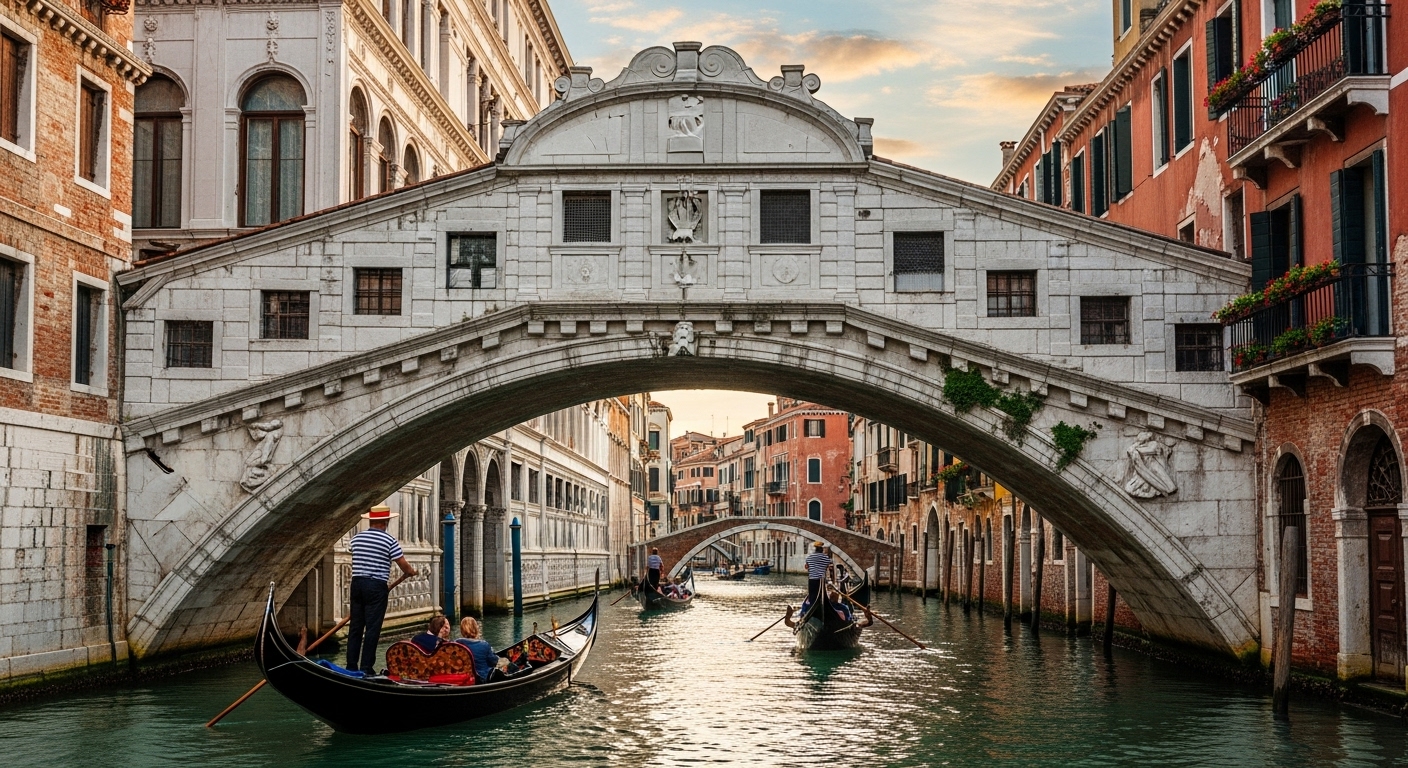
Imagine a city where crossing the water defines your journey more than crossing streets. Cities with more bridges than roads present a unique urban experience, where canals, rivers, and waterways shape daily life, architecture, and culture. Walking or boating through these cities is like navigating a labyrinth of bridges, each telling a story of engineering, design, and history.
In these cities, bridges aren’t just infrastructure—they are the lifelines connecting neighborhoods, commerce, and communities. Unlike cities dominated by asphalt and highways, cities with more bridges than roads immerse visitors in an aquatic network that encourages exploration, photography, and a slower, more intentional pace.
Before we dive into the most iconic cities with more bridges than roads, ask yourself: have you ever experienced a city where water guides movement more than streets?
Why Cities With More Bridges Than Roads Are Fascinating
Bridges provide a unique perspective of cities, allowing travelers to view architecture, waterways, and urban life from multiple vantage points. In cities dominated by roads, you see life mostly from street level. In bridge-heavy cities, each crossing offers a new angle, a new glimpse into the city’s character.
Moreover, these cities often preserve historical charm. Many bridges are centuries old, made of stone, iron, or wood, and reflect the culture and craftsmanship of the era they were built in. Walking across them is a lesson in urban history and design, as well as a serene way to experience the city.
Famous Cities With More Bridges Than Roads
Several cities around the world stand out for their extraordinary number of bridges. Here’s a look at some of the most remarkable:
1. Venice, Italy: Perhaps the most famous bridge-heavy city, Venice has over 400 bridges connecting its 118 islands. Canals serve as streets, gondolas and water taxis as primary transport, and every bridge offers a romantic or scenic view. Walking through Venice is essentially a journey across bridges.
2. Amsterdam, Netherlands: With more than 1,200 bridges spanning 165 canals, Amsterdam is another prime example. The bridges range from historic drawbridges to modern designs. Cycling or walking across them is the quintessential way to experience Dutch culture and city life.
3. St. Petersburg, Russia: Known as the “Venice of the North,” this city boasts over 342 bridges connecting rivers and canals. From elegant bascule bridges to ornate historical structures, St. Petersburg’s bridges are not only functional but also artistic landmarks.
4. Hamburg, Germany: Hamburg has over 2,500 bridges—more than any other city in Europe. The waterways connect ports, residential districts, and commercial zones. Exploring Hamburg by boat or on foot highlights the city’s maritime heritage and vibrant urban landscape.
5. Suzhou, China: Famous for its canals, Suzhou has numerous small stone bridges that link neighborhoods, gardens, and temples. The city combines traditional Chinese architecture with serene waterways, creating a peaceful and photogenic environment.
Experiencing Daily Life in Bridge-Centric Cities
In cities with more bridges than roads, life revolves around waterways and crossings. Locals often commute by boat, cycle along canals, or walk over bridges that connect homes, schools, and markets. Public spaces are designed to maximize access to water, making bridges central to social and economic life.
For travelers, the experience is immersive. Each bridge offers a chance to pause, photograph, and observe. Reflections of buildings on water, swans and ducks gliding underneath, and street performers or markets along canal edges make every crossing memorable.
Have you ever felt the rhythm of a city shaped more by water than by streets? Cities with more bridges than roads offer that unique, meditative experience.
Architectural and Cultural Significance of Bridges
Bridges in these cities are more than functional—they are cultural symbols. Venetian bridges often feature elegant arches and stone balustrades; Amsterdam’s bridges showcase Dutch ingenuity in hydraulics and engineering; St. Petersburg’s bridges combine classical design with intricate ironwork. Each bridge tells a story of the city’s history, artistry, and engineering prowess.
Some bridges are temporary, movable structures like drawbridges, reflecting the need to balance land and water traffic. Others are heritage monuments, meticulously preserved and celebrated for centuries. Together, they form a complex network that defines the city’s identity.

Best Ways to Explore Bridge-Heavy Cities
To make the most of your visit, consider the following tips:
- Walk or cycle whenever possible—bridges often offer the best views.
- Take boat tours to appreciate the city’s waterways and bridge architecture from below.
- Visit historical bridges to understand their cultural significance.
- Time your visits to capture sunrise or sunset reflections on water.
- Engage with local guides to discover hidden or lesser-known bridges.
Challenges and Maintenance of Urban Bridges
Maintaining hundreds of bridges is no small task. Cities with more bridges than roads face unique challenges:
- Structural integrity due to constant use and environmental exposure.
- Balancing modern infrastructure needs with historical preservation.
- Preventing congestion on pedestrian-only bridges during peak tourist seasons.
- Ensuring safety while maintaining aesthetic and historical integrity.
Despite these challenges, these cities continue to prioritize their bridge networks, recognizing their cultural, historical, and practical value.
Photography and Scenic Opportunities
Bridge-heavy cities are a paradise for photographers. Consider these ideas:
- Capture reflections of historic buildings on calm water.
- Use early morning or late evening light for dramatic shots.
- Focus on architectural details like arches, railings, and engravings.
- Take aerial shots or drone photography (where permitted) for network perspective.
- Include local life—boats, cyclists, and pedestrians—to add vibrancy.
Environmental and Social Impact
Bridges also have ecological and social significance. They reduce traffic congestion, encourage pedestrian and bicycle movement, and connect communities without damaging waterways. They often integrate green spaces or walking paths, creating urban environments that are both functional and aesthetically pleasing. Walking or cycling across them fosters a deeper connection with city life and promotes sustainable urban travel.
Why Cities With More Bridges Than Roads Inspire Travelers
These cities spark curiosity and wonder. They challenge conventional ideas of urban design, showing how communities adapt to natural waterways. Travelers experience a combination of history, architecture, and culture from a perspective rarely found in modern cities. Every bridge offers a moment of pause, reflection, and photography.
Have you ever felt the magic of crossing a centuries-old bridge with the city unfolding beneath you? Each bridge in these cities offers a unique encounter with time, water, and culture.
Cities with more bridges than roads offer an unforgettable way to explore urban life. They reveal how history, engineering, and culture converge in unique ways, creating landscapes where water is as central as streets. Walking, cycling, or boating across these bridges provides insight, adventure, and a new appreciation for human ingenuity.
Which city with more bridges than roads would you love to explore first? Have you experienced the thrill of navigating a city where bridges define your journey? Share your stories and favorite bridge moments with us! For more unique travel stories, extraordinary destinations, and urban adventures, follow WentWorld on our social media platforms and join our community of explorers discovering cities in exciting new ways.
Catch up on the top stories and travel deals by subscribing to our newsletter!