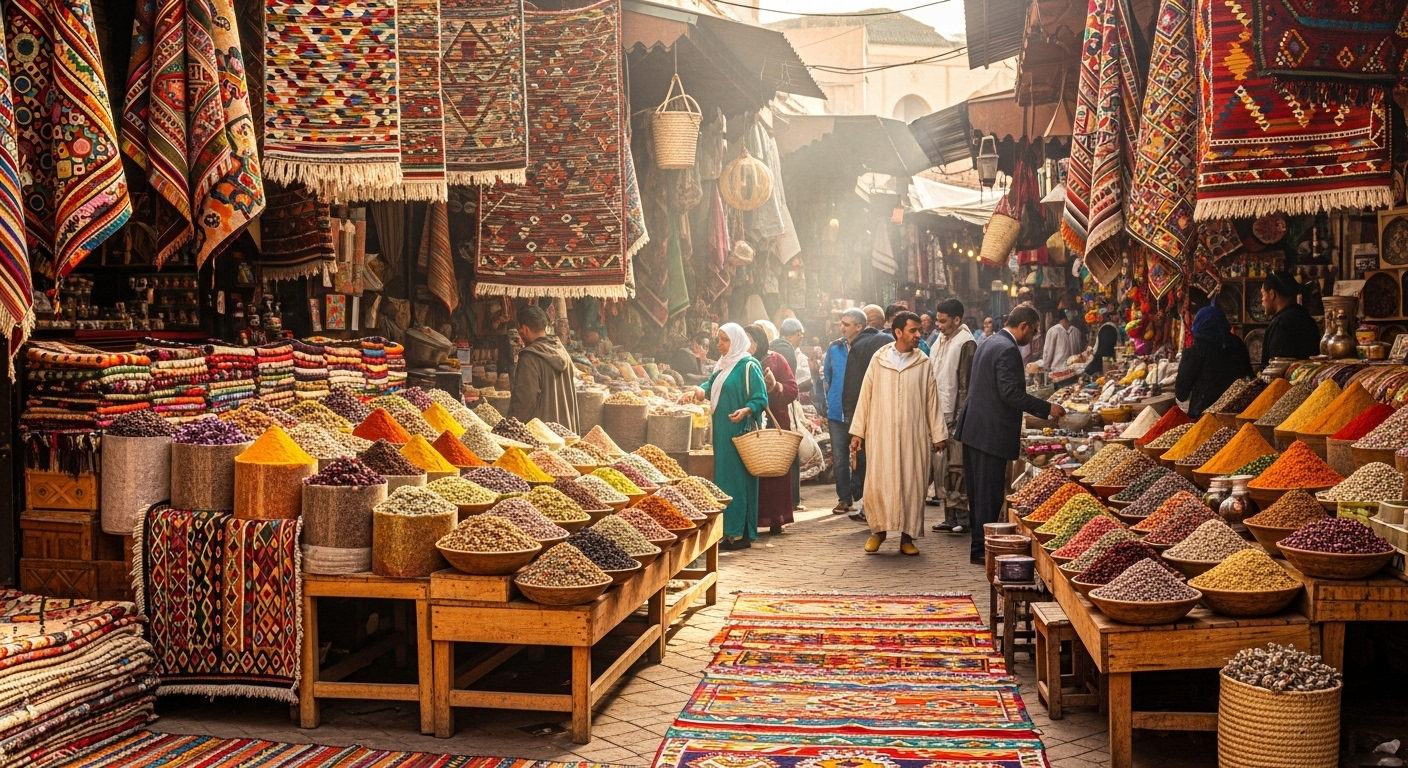
Have you ever stumbled upon a bustling market full of local flavors, vibrant colors, and curious treasures, only to realize that it only happens once a week — or even once a month? That’s the magic of rare market days. These temporary bazaars are more than just places to shop; they are cultural events, social gatherings, and glimpses into the traditions of a community.
Planning your travel around such unique market days can turn a regular trip into a memorable adventure. Whether it’s a hillside village in Morocco, a riverside town in Southeast Asia, or a remote European village that opens its streets for a single Saturday each month, these bazaars offer experiences you won’t find in guidebooks.
From local foods and handmade crafts to music, storytelling, and rituals, rare markets provide a window into everyday life — but with an energy all their own. This guide will explore why these events are worth planning for, how to find them, and tips for making the most of your visit.
Why Rare Market Days Are Special
Unlike permanent markets or modern shopping centers, rare market days are events. They emerge, burst into life, and then disappear until the next scheduled gathering. This fleeting nature makes them special. Vendors bring their best goods, performers showcase unique talents, and the community comes together, often in traditional attire or ceremonial roles.
For travelers, these markets are immersive cultural experiences. You can:
- Discover artisanal products that are not mass-produced.
- Engage directly with local artisans, farmers, and performers.
- Witness traditional practices, from folk dances to culinary rituals.
- Experience the rhythm of local life in a dynamic, social setting.
These markets often operate on a weekly, monthly, or seasonal schedule, which encourages travelers to plan their trips intentionally rather than stumble upon convenience shopping. It’s a form of purposeful travel — seeking out a destination for its cultural heartbeat rather than its tourist checklist.
1. Morocco – The Souks and Weekly Bazaars
Morocco is synonymous with markets, but some of the most fascinating occur only once a week in smaller towns and villages. Take the Souk of Imilchil, held weekly in the Atlas Mountains. Here, Berber artisans sell carpets, jewelry, and pottery, while musicians perform traditional tunes, and nomads converge to trade livestock.
Timing your visit around these market days allows you to experience a rural Moroccan lifestyle that tourists often miss. It’s colorful, noisy, and full of stories — and the best souvenirs are often the ones you engage with directly, watching them being made.
2. Chiang Mai, Thailand – Sunday Walking Street
Chiang Mai’s Sunday Walking Street is a prime example of a weekly market with rare charm. Stretching through the old city streets, it transforms the city into a pedestrian-friendly festival. Handmade crafts, street food, and live performances abound, but each stall tells a story unique to northern Thailand’s traditions.
Beyond shopping, the market offers culinary exploration: try northern Thai dishes like khao soi or sticky rice with mango, cooked by families who’ve been perfecting recipes for generations. Planning your trip to coincide with this weekly event ensures you experience Chiang Mai at its liveliest and most authentic.
3. Provence, France – Monthly Farmers’ Markets
In rural France, farmers’ markets are often held only once or twice a month, particularly in smaller villages. Places like L’Isle-sur-la-Sorgue host monthly markets where locals sell artisan cheeses, charcuterie, fresh produce, and handmade crafts. You’ll find everything from lavender sachets to vintage linens — and you’ll also witness the social aspect of village life.
Arrive early for the best selection, and don’t hesitate to chat with sellers. Many will happily share stories about their ingredients, craft methods, or family history. Planning your stay around these rare market days can transform a simple trip to Provence into a cultural immersion.
4. Oaxaca, Mexico – Monthly Artisan Fairs
Oaxaca is famous for its markets, but some of the most intriguing occur monthly in villages like Teotitlán del Valle. Here, artisans gather to sell handwoven rugs, pottery, and embroidered textiles. Unlike permanent shops, these markets bring together craftspeople from surrounding villages, offering a wider range of handmade goods.
Visitors can participate in workshops, learn about natural dyeing methods, or watch artisans weave rugs using traditional backstrap looms. The experience is both educational and sensory, combining visual beauty with the tactile pleasure of handmade crafts.
5. Marrakech, Morocco – Jemaa el-Fnaa
While Marrakech’s Jemaa el-Fnaa is daily, its special market days, linked to religious and seasonal celebrations, are rare treats. On these occasions, the square overflows with storytellers, snake charmers, musicians, and artisans selling unique wares. Timing your visit to coincide with one of these rare market days lets you see Marrakech as locals do, celebrating heritage rather than just catering to tourists.
6. Ghana – Weekly Markets in Villages
Ghana’s rural villages host weekly markets that are central to local life. Villages like Ntonso, known for Adinkra cloth printing, transform into bustling trading hubs once a week. Artisans display cloth stamped with traditional symbols, farmers bring fresh produce, and traders sell pottery and woven baskets.
Visiting on a market day allows travelers to witness traditional practices, interact directly with local craftspeople, and even learn techniques for making textiles or pottery themselves.
How to Plan a Trip Around Rare Market Days
Timing is everything when it comes to rare market days. Here are some tips:
- Research in advance: Identify which markets operate weekly, monthly, or seasonally. Local tourism offices or cultural websites often have schedules.
- Align your itinerary: Plan travel so that you arrive a day before the market and stay at least until it concludes. This ensures you have ample time to explore.
- Accommodation: Book nearby lodgings early. Popular market days can draw both locals and tourists, making last-minute stays challenging.
- Transport logistics: Remote markets may require specific transport arrangements. Check bus, train, or ferry schedules ahead of time.
- Bring cash: Many vendors in rural or temporary markets don’t accept cards.
- Dress appropriately: Markets often reflect local customs. Respect cultural norms, particularly in rural areas.

Maximizing Your Experience at Rare Markets
To truly enjoy rare market days, consider these strategies:
- Arrive early: Beat the crowds and see artisans set up their stalls.
- Engage with vendors: Ask about materials, techniques, or stories behind the products. Most will welcome conversation.
- Sample local food: Street food is often a highlight, offering authentic flavors not found in restaurants.
- Photography: Capture the vibrancy, but always ask permission before photographing people closely.
- Explore beyond the market: Wander surrounding streets and alleys — you may discover hidden workshops or historic landmarks.
Markets as Cultural Immersion
What makes rare market days so compelling is that they are windows into local life. You’re not just shopping; you’re observing social dynamics, seasonal rhythms, and traditional crafts. Children play nearby, elders chat in local dialects, and music or religious rituals punctuate the day. Every interaction, every purchase, becomes part of a larger story.
Traveling with this mindset transforms the market from a consumer experience into a meaningful cultural exchange. You leave not just with souvenirs, but with memories, insights, and perhaps even friendships that extend beyond your visit.
Examples of Rare Markets Worth Visiting
Some standout examples include:
- Huangshan, China: Monthly rural markets featuring traditional crafts and produce.
- San Pedro La Laguna, Guatemala: Weekly markets with handwoven textiles and coffee beans.
- Rural Bavaria, Germany: Seasonal village markets with local cheese, woodcrafts, and baked goods.
- Lamu Island, Kenya: Monthly dhow markets with local spices, handmade jewelry, and vibrant fabrics.
- Kerala, India: Weekly spice and craft markets in small towns like Kumily and Thekkady.

Travel Mindset for Rare Market Days
Visiting a rare market requires patience and curiosity. Instead of rushing through, take your time to observe, taste, and interact. Keep an open mind, and be ready for surprises — sometimes the best finds are unplanned, like a hidden stall with handcrafted jewelry or a musician playing a traditional tune you’ve never heard before.
We’d love to hear your stories! Have you timed a trip to experience a weekly or monthly bazaar? Which market left the strongest impression on you? Share your experiences in the comments and inspire fellow travelers to plan cultural adventures around these ephemeral events. Follow us on our social media platforms for more travel tips, cultural guides, and immersive experiences around the world.
Catch up on the top stories and travel deals by subscribing to our newsletter!