
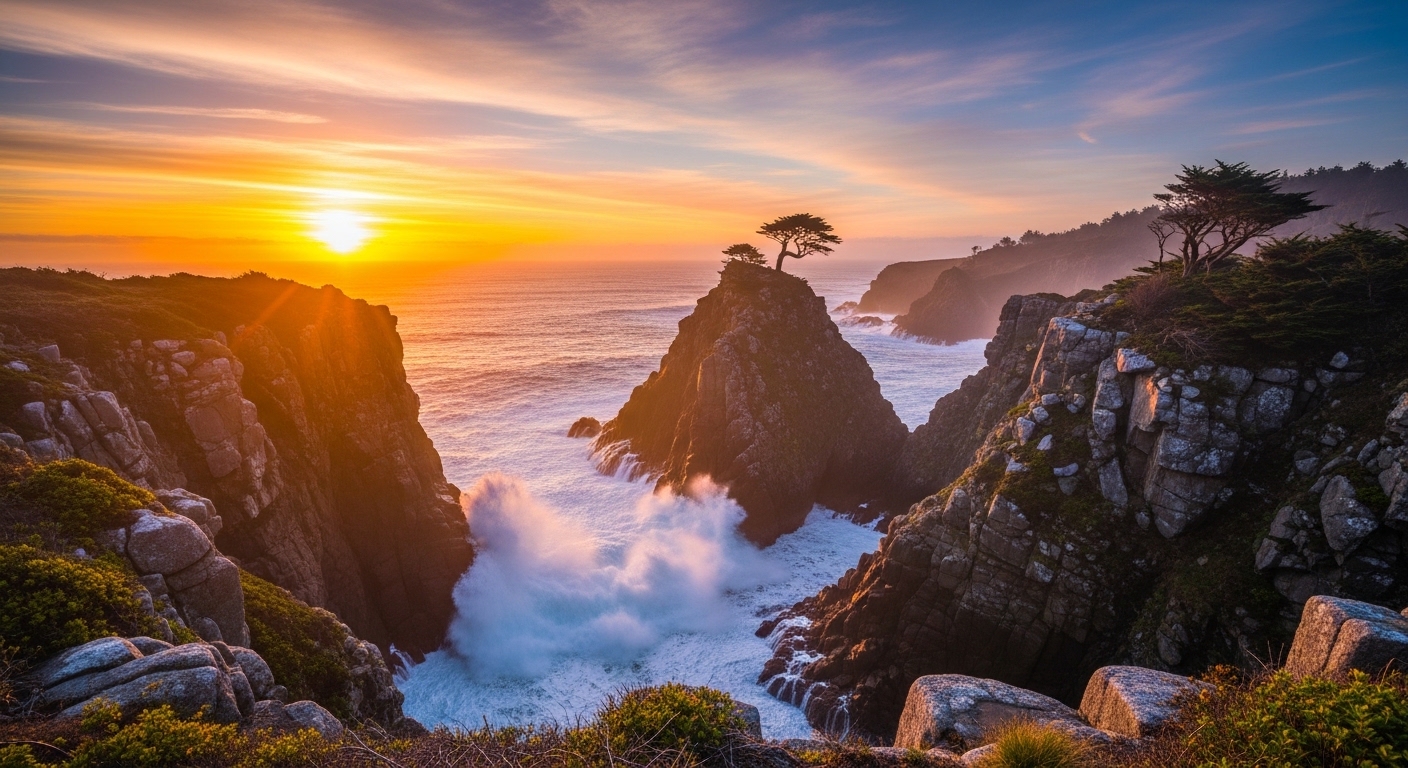
There is something undeniably alluring about remote peninsulas worth the journey. They sit at the edges of continents, often difficult to reach, surrounded by water on three sides, and shrouded in isolation. While most travelers flock to crowded cities and well-known beaches, these hidden corners promise adventure, solitude, and vistas that feel untouched by time. Imagine standing on a cliff, wind in your hair, the endless sea before you, and realizing that you are witnessing something very few have seen. Wouldn’t you want to experience that?
Remote peninsulas are more than just landforms; they are ecosystems, cultural enclaves, and sometimes even time capsules. From the wild, rugged coastlines of Scandinavia to the volcanic edges of South America, these destinations offer stories and sights unlike anywhere else. They are worth the journey because they test your curiosity, patience, and love for discovery.
Why Travel to Remote Peninsulas?
The first reason is obvious: the scenery. Remote peninsulas often feature dramatic coastlines, hidden coves, and cliffs that rise straight from the ocean. These landscapes are sculpted by centuries of waves, wind, and weather. Unlike urban attractions, their beauty feels raw and authentic. Have you ever visited a place so striking that it felt like it belonged in a painting?
Secondly, peninsulas often harbor unique wildlife. In Scotland’s Shetland Peninsula, for instance, puffins, seals, and otters can be spotted along the cliffs. In Patagonia’s Valdés Peninsula, travelers witness elephant seals and even whales along the coast. The combination of isolation and abundant resources allows nature to thrive in ways that are increasingly rare elsewhere.
Exploring the Kola Peninsula, Russia
The Kola Peninsula, in the far northwest of Russia, is a destination for those seeking Arctic adventure. Its remoteness has preserved vast tundras, sparkling lakes, and rugged fjords. During summer months, the midnight sun illuminates the landscape for nearly 24 hours, offering travelers a surreal experience. Winter transforms the region into a frozen wonderland, perfect for witnessing the Northern Lights.
Accessing the Kola Peninsula requires careful planning. Airlines like Aeroflot connect Moscow with Murmansk, the region’s main city. From there, road and rail networks take you deeper into the wilderness. The journey is long, but every mile brings a sense of discovery that crowded tourist spots cannot match.
Scandinavian Peninsulas: Norway’s Lofoten Islands
The Lofoten Islands are technically part of Norway’s Arctic coastline, forming a striking peninsula-like chain of islands. Rugged peaks rise straight from the sea, small fishing villages dot the coast, and fjords carve dramatic inlets into the land. Remote hiking trails offer views few travelers ever see, and early morning reflections on the calm waters are breathtaking.
Travelers can explore the Lofoten Islands via flights to Widerøe Airlines or scenic ferries that connect islands. The region is ideal for photographers, adventure seekers, and anyone looking to disconnect from city life. Do you prefer traveling where comfort meets wild scenery, or are you a true adventurer ready to camp in solitude?

The Baja California Peninsula, Mexico
The Baja California Peninsula stretches over 1,200 miles along Mexico’s western edge. It is home to deserts, beaches, and marine sanctuaries. Remote towns like Todos Santos and Mulegé offer charm and culture while remaining untouched by mass tourism. The Sea of Cortez along the eastern side is a haven for snorkeling and diving, while the Pacific coast challenges surfers with its powerful waves.
The peninsula’s isolation is part of its charm. Travelers often drive along Highway 1, discovering hidden beaches, desert landscapes, and local communities along the way. International flights connect to La Paz and Tijuana, but the real experience comes from slow exploration. Sites like Visit Mexico provide tips, yet nothing beats the sense of discovery when you’re on the road.
The Coromandel Peninsula, New Zealand
New Zealand’s Coromandel Peninsula is lush, green, and fringed by golden beaches. It is less remote than some Arctic peninsulas but offers seclusion thanks to thick forests and rugged coastline. Hot springs, waterfalls, and walking trails make it an ideal spot for travelers who enjoy nature without the crowds. Early mornings often reveal a calm sea reflecting the surrounding hills in mirror-like perfection.
Local ferries and buses connect the peninsula to Auckland, yet the winding roads encourage travelers to slow down and savor each moment. For eco-tourists, Coromandel offers opportunities to witness native birds and marine life, all while practicing responsible travel. Wouldn’t you like to explore a place where every turn feels like a new discovery?

Patagonia’s Valdés Peninsula, Argentina
The Valdés Peninsula is a UNESCO World Heritage Site, famous for its diverse wildlife. From elephant seals to southern right whales, it is a paradise for nature lovers. The landscape is a mix of desert, cliffs, and lagoons, creating a striking contrast against the Atlantic Ocean. Early morning light adds magic, turning the vast spaces into a golden, tranquil haven.
Travelers can reach Puerto Madryn via flights from Buenos Aires and then journey to Valdés by road. Information from Lonely Planet highlights its wildlife opportunities, but nothing replaces standing on the cliffs and feeling the wind from the ocean, knowing that much of the peninsula remains untouched.
Practical Tips for Visiting Remote Peninsulas
Visiting remote peninsulas requires careful planning. Transportation options are often limited, and local accommodations may be sparse. Here are a few tips:
- Check seasonal weather conditions. Some peninsulas are only accessible during certain months.
- Book local guides when possible; they provide insight and ensure safe exploration.
- Pack essential supplies. Remote regions often have limited access to stores or restaurants.
- Respect local ecosystems and communities. Minimal impact travel ensures these areas remain pristine.
- Be ready for surprises—sometimes roads are washed out, or ferries delayed, but that’s part of the adventure.
Remote peninsulas are destinations for travelers who seek more than just sightseeing. They are invitations to reflect, challenge yourself, and witness landscapes few ever experience. The journey itself often becomes as memorable as the destination, filled with stories, encounters, and a sense of connection to the planet that cannot be replicated in cities or crowded resorts.
Why Remote Peninsulas Are Worth the Journey
Traveling to remote peninsulas reminds us why exploration matters. These places offer solitude, beauty, and experiences that challenge our perspectives. They push us out of comfort zones and into the rhythm of nature. Every cliff climbed, every coastline walked, and every sunrise witnessed on a remote peninsula creates memories that last a lifetime.
Have you ever ventured to a destination where the journey felt just as important as arriving? Remote peninsulas reward curiosity, patience, and a willingness to embrace the unknown. WentWorld.com encourages you to explore these hidden edges of the world, and to do so responsibly. The experiences you gather will shape how you see both the planet and yourself.
We would love to hear your thoughts. Which peninsulas have you explored, or which ones are on your bucket list? Share your stories and let us know why remote travel inspires you. Follow WentWorld.com on our social media platforms to join a community of explorers seeking the extraordinary.
Catch up on the top stories and travel deals by subscribing to our newsletter!







Leave a Reply
You must be logged in to post a comment.