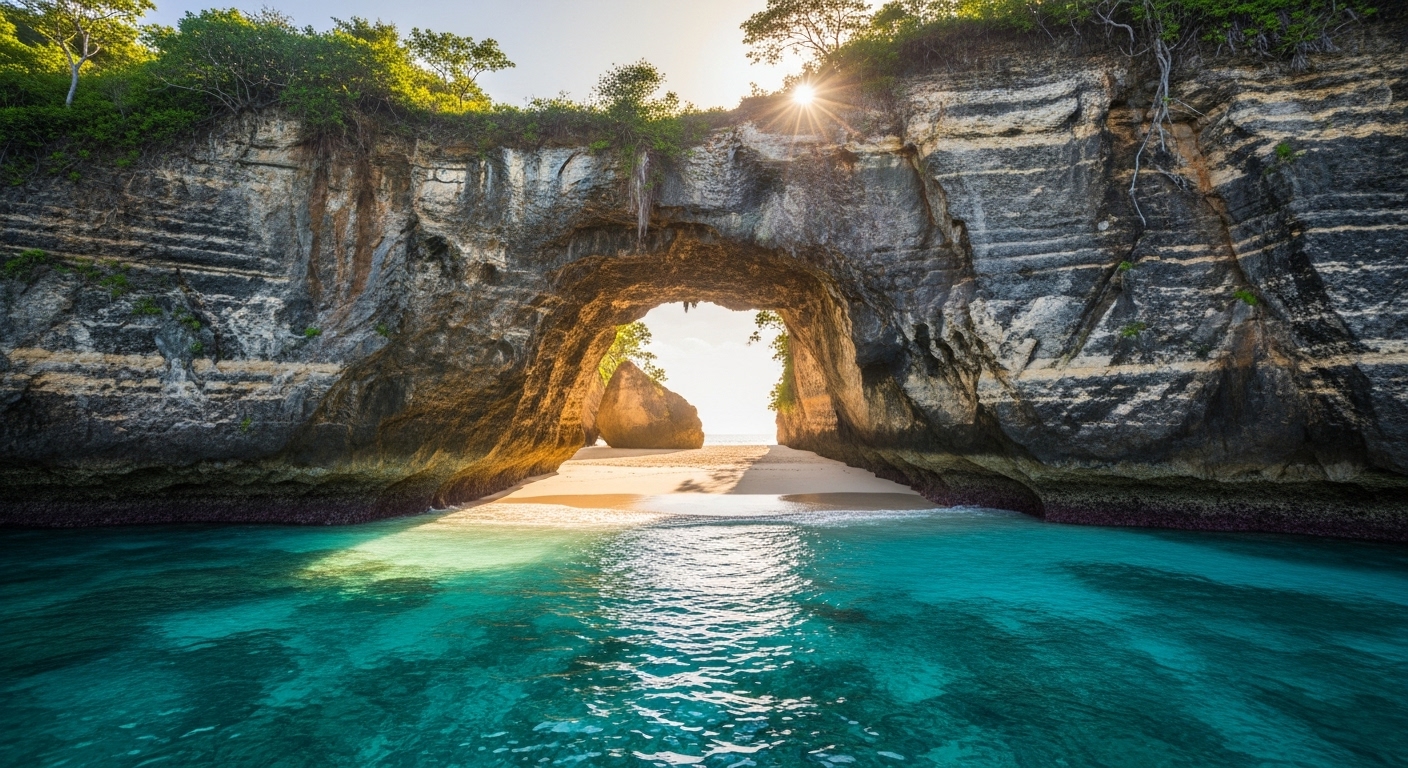
There is something unforgettable about stumbling upon a secret beach accessible only by tunnel or cave. These rare and often untouched shorelines feel like portals to another world—quiet, secluded, dramatic, and shaped by nature in the most fascinating ways. Although popular beaches get all the attention, these hidden coastal escapes offer something far more memorable. They invite you to slow down, step away from the crowds, and experience the coastline in its most mysterious form.
If you have ever wondered what it feels like to walk through a rock passage and suddenly emerge onto a quiet stretch of sand, then this journey is for you. These rare landscapes attract travelers who love both adventure and tranquility. Additionally, many of these places have historical stories, geological wonders, and unique cultural elements that make the journey even more meaningful. As you read, think about this question: Would you rather explore a beach you reach through a dark cave or through a narrow man-made tunnel carved hundreds of years ago?
Today, we will explore different types of hidden shorelines, the beauty they offer, the risks involved, and ways you can experience these secret beaches accessible only by tunnel or cave while protecting them for future generations. And by the end, we hope you will share your own discoveries or dreams of visiting one of these coastal treasures.
The Allure of a Hidden Shoreline
A secret beach accessible only by tunnel or cave naturally triggers curiosity. Unlike open coastlines where everything is visible from afar, these beaches hide behind layers of stone and silence. Their entrances may be narrow or wide, natural or carved by humans, but the moment you walk through them and step out onto the sand, the world feels different. Because of their isolated nature, these beaches often feel untouched, even in countries with busy tourism scenes.
Furthermore, these locations tend to inspire a deeper sense of discovery. When the journey involves walking through a cool, echoing cavern or a hand-dug tunnel, it adds an element of adventure that regular beach access simply cannot match. Many travelers say these places feel like stepping into a storybook landscape—one where cliffs rise dramatically, waves sound sharper, and everything feels more alive.
Despite their beauty, these beaches also require preparation and awareness. Tides, rocks, and unpredictable weather can change conditions quickly. Therefore, understanding the location before you visit is essential for safety. With that in mind, let’s explore some of the most fascinating elements that make these hidden beaches stand out.
How Natural Tunnels and Caves Are Formed
Before visiting a secret beach accessible only by tunnel or cave, it helps to understand how these landscapes come into existence. Over thousands or millions of years, ocean waves carve into cliffs. They grind away at softer rocks, creating deep caverns and narrow passageways. Eventually, some of these caves expand so much that they create access routes leading directly to beaches hidden behind massive walls of stone.
In other places, volcanic activity creates tube-like tunnels that later open toward the sea. Additionally, ancient civilizations sometimes carved tunnels to reach safe areas along the water. Over time, the natural environment took over, blending human-made passages with geological formations.
Because every cave and tunnel forms differently, each secret beach has its own distinctive character. Some are wide and filled with gentle light, while others are dark and narrow with winding shapes. These features significantly affect how the beach feels once you emerge on the other side.

Examples of Global Hidden Beaches
Although many secret beaches exist worldwide, a few locations have become iconic. For instance, the famous Tunnel Beach in Dunedin, New Zealand is known for its hand-carved sandstone route created in the 1800s. Similarly, America’s National Park Service manages coastal areas with dramatic cave formations along rugged shorelines. In Spain, Playa del Silencio draws visitors with its quiet ambiance, dramatic rock walls, and cave passages that feel frozen in time. Additionally, love-struck travelers often dream of Hidden Beach in Mexico’s Marieta Islands, accessed by swimming through a short cave tunnel at low tide.
Another fascinating example is Cathedral Cove in New Zealand, which features a natural arch-like formation connecting beach areas. Although this one is more open, the feeling of stepping through stone into a brighter landscape resembles the experience of accessing a beach through a cave. And in Portugal, Benagil Cave remains one of the most photographed coastal formations in Europe, thanks to its massive dome-shaped interior and sandy center, even though tidal conditions often limit access.
Across Asia, travelers have reported breathtaking spots such as Phra Nang Cave Beach in Thailand, where limestone formations and narrow passages lead to turquoise water and powdery sand. These examples demonstrate how varied and captivating hidden beaches can be.
Preparing Before You Explore
Because a secret beach accessible only by tunnel or cave requires more planning than a traditional beach, preparation is essential. First, check tide schedules. High tide may completely block the entrance to some beaches. Second, wear proper footwear, since tunnels and caves often contain slippery rocks. Third, carry a light source if the passage is darker than expected.
Moreover, research local regulations. Some beaches become unsafe during certain seasons or weather conditions. Others require guided access to protect their fragile environments. Since many of these locations are being visited more frequently due to social media trends, responsible tourism matters more than ever.
The Environmental Impact of Hidden Beaches
Although these beaches feel untouched, increasing tourism can threaten them quickly. Foot traffic inside caves can damage delicate rock surfaces. Additionally, litter left behind washes into narrow areas and becomes trapped. Noise levels also affect wildlife living within cliff ecosystems.
Therefore, visitors should follow a simple set of principles: leave no waste, avoid carving names into rocks, respect tidal timings, and stay within marked paths. The beauty of these locations depends on our ability to preserve them.

Why These Beaches Are So Emotionally Captivating
People often form deep emotional connections to hidden beaches. The experience of walking through stone to reach an open view creates a moment of contrast that stays in memory. Additionally, the quietness enhances the sensory experience. Waves sound clearer, the air feels cooler, and the colors of the sky and water appear more intense.
Because these beaches are isolated, visitors often reflect more deeply on nature, life, and personal moments. Some travelers describe these destinations as healing spaces. Others appreciate how they allow them to disconnect from routine life. And many return home wondering how such places remain so unknown to the world.
Would You Explore One of These Beaches?
Now that you have journeyed through the idea of a secret beach accessible only by tunnel or cave, it is your turn to share. Would you dare to walk through a dark passage for the reward of a hidden shoreline? Have you ever been to one before? We would love to hear your experiences, thoughts, and dream destinations in the comments. Your feedback helps us discover new places and create more content you truly enjoy.
If you enjoy exploring rare travel experiences like this, follow us on our social platforms to stay updated with more unique guides, hidden destinations, and unforgettable adventures.
Catch up on the top stories and travel deals by subscribing to our newsletter!