When you think of UNESCO World Heritage Sites, what comes to mind? Maybe the Great Wall of China, the Pyramids of Giza, or the Taj Mahal. These global icons are undeniably breathtaking — but what about the thousands of other UNESCO sites that don’t make it onto postcards or Instagram feeds? Hidden in remote corners of the world are lesser-known UNESCO Heritage Sites that are every bit as awe-inspiring, but without the crowds or selfie sticks.
In this guide, we’re going off the beaten path to uncover destinations that blend history, culture, and natural beauty — yet remain surprisingly underexplored. If you love discovering the unexpected, these are the sites that will redefine how you see the world. So grab your travel journal, open your map, and let’s dive into the world’s hidden UNESCO treasures!
Why Visit Lesser-Known UNESCO Heritage Sites?
Let’s be honest — standing in front of Machu Picchu or Angkor Wat is unforgettable. But these sites often come with long lines, strict time slots, and hundreds (sometimes thousands) of other visitors. In contrast, lesser-known UNESCO sites offer something different — peace, authenticity, and the chance to connect with local communities and history in a more personal way.
By visiting these places, you’re not only avoiding tourist crowds but also supporting smaller towns and regions that depend on sustainable tourism for their growth. So, if you’ve ever dreamed of exploring a place that feels untouched by time, you’ll love what’s ahead.
1. Berat and Gjirokastra, Albania — The Cities of Stone
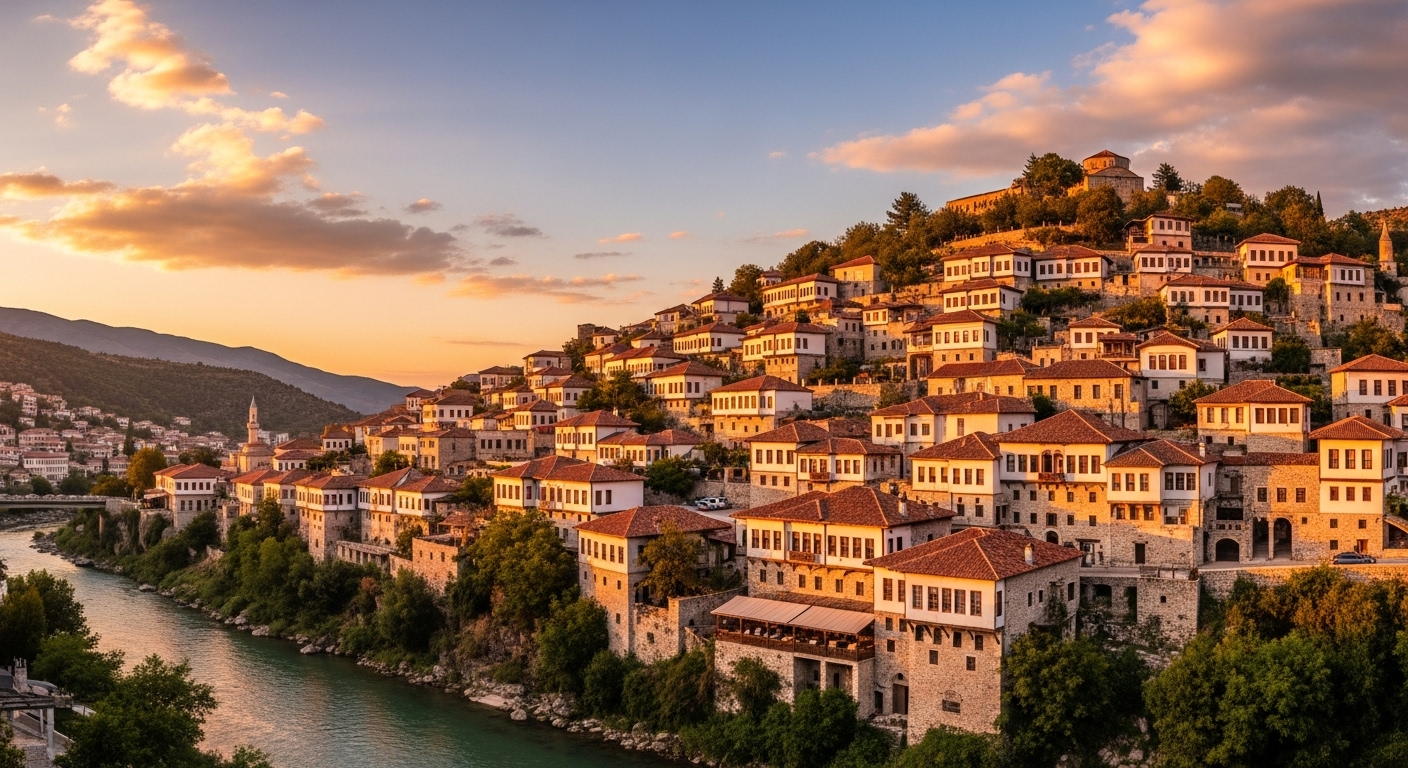
Albania might not be on every traveler’s radar, but its UNESCO-listed cities of Berat and Gjirokastra are architectural gems. Often called “the cities of stone,” these ancient towns are filled with Ottoman-era houses, cobblestone streets, and dramatic hilltop views.
Berat, also known as the “City of a Thousand Windows,” sits beautifully along the Osum River, with rows of white Ottoman houses stacked up the hillside. Meanwhile, Gjirokastra offers a more medieval atmosphere, with stone-roofed homes and an imposing fortress overlooking the Drino Valley.
Wandering these towns feels like stepping into a living museum — except without the crowds. Both are rich in culture, history, and warm hospitality that reflects Albania’s emerging tourism charm.
2. Rani ki Vav, India — The Stepwell Queen
India’s architectural wonders don’t end with the Taj Mahal. Hidden in the small town of Patan, Gujarat, lies Rani ki Vav — a breathtaking 11th-century stepwell built by Queen Udayamati in memory of her husband. It’s a masterpiece of intricate carvings, symmetrical design, and underground architecture that once served as both a water reservoir and a spiritual sanctuary.
This lesser-known UNESCO Heritage Site remained buried under silt for centuries until its rediscovery and restoration. Today, it’s an extraordinary example of India’s ancient water management systems and artistry — without the overwhelming tourist traffic of larger monuments.
3. Val d’Orcia, Italy — Tuscany’s Hidden Heart
Most travelers visiting Italy flock to Florence, Venice, or Rome. But drive just a bit further south, and you’ll discover Val d’Orcia — a UNESCO-listed valley that looks like a Renaissance painting come to life. Rolling hills, cypress trees, and vineyards stretch as far as the eye can see.
This region isn’t just photogenic — it’s the heart of Tuscany’s rural charm. Towns like Pienza and Montalcino are perfect for exploring local wine, handmade cheese, and timeless Italian hospitality. Every sunset here feels like a private performance by nature itself.
4. Tsingy de Bemaraha, Madagascar — The Stone Forest
If you love adventure, the Tsingy de Bemaraha National Park in Madagascar will blow your mind. Nicknamed the “Stone Forest,” it’s filled with towering limestone pinnacles that look like they belong on another planet. This UNESCO site is both bizarre and beautiful — a playground for explorers and a sanctuary for rare wildlife.
Walking on suspension bridges high above razor-sharp rocks isn’t for the faint-hearted, but the views are otherworldly. And since Madagascar is often overlooked by mainstream travelers, you’ll likely have this surreal landscape almost to yourself.

5. Ha Long Bay’s Neighbor: Bai Tu Long Bay, Vietnam
Ha Long Bay is world-famous — and often crowded. But just a few miles northeast lies its lesser-known sister, Bai Tu Long Bay, part of the same UNESCO World Heritage region. With the same stunning limestone karsts, emerald waters, and floating fishing villages, Bai Tu Long offers the same breathtaking experience — minus the boat traffic.
Here, you can kayak through quiet lagoons, visit hidden caves, and stay in eco-friendly resorts that blend perfectly with the natural scenery. If you’re looking to experience Vietnam’s natural beauty at its most peaceful, this is your spot.
6. Meteora, Greece — Monasteries in the Sky
Okay, Meteora isn’t exactly “unknown,” but it still feels underrated compared to Greece’s more famous islands. This UNESCO Heritage Site is home to a collection of monasteries built on towering rock pillars, some dating back to the 14th century. The name “Meteora” literally means “suspended in the air” — and when you see it, you’ll understand why.
The blend of spirituality, history, and jaw-dropping views makes Meteora one of the most surreal destinations in Europe. You can hike between monasteries, watch sunsets from cliff edges, and feel the silence of centuries-old devotion echoing in the wind.
7. Serra da Capivara National Park, Brazil — Ancient Art in the Desert
In Brazil’s arid northeast lies one of the world’s richest collections of prehistoric rock art — and yet few travelers know about it. Serra da Capivara National Park features thousands of cave paintings, some estimated to be over 25,000 years old. These vivid depictions of animals, hunting scenes, and human life tell stories from long before recorded history.
For archaeology and history enthusiasts, it’s an incredible place to visit. The park’s rugged terrain, red cliffs, and open skies create a surreal landscape that feels almost sacred.
8. Sceilg Mhichíl, Ireland — The Island Monastery
Fans of Star Wars might recognize Sceilg Mhichíl (Skellig Michael) as Luke Skywalker’s island refuge — but long before it appeared in Hollywood, this remote island off Ireland’s coast was home to a 6th-century monastery. It’s one of the most unique and lesser-known UNESCO Heritage Sites in Europe.

Accessible only by boat (and only in good weather), Skellig Michael offers a rare chance to step back in time. The steep stone steps, beehive huts, and dramatic ocean views make it feel like you’re visiting another world. Just be prepared — it’s not an easy climb, but it’s absolutely worth it.
9. Bagan, Myanmar — Temples Beyond Time
Before political changes opened Myanmar to tourism, few people had heard of Bagan. Today, it’s still less crowded than Angkor Wat but equally majestic. The site boasts over 2,000 temples spread across a vast plain — each one different, each one whispering stories of devotion and power.
Hot air balloon rides at sunrise reveal an otherworldly landscape bathed in golden light. Despite its growing popularity, Bagan retains a quiet mystique that feels deeply spiritual.
10. Ilulissat Icefjord, Greenland — Frozen Majesty
Looking for something truly unique? Head north — way north — to Greenland’s Ilulissat Icefjord, one of the planet’s most dramatic natural wonders. This UNESCO site showcases colossal icebergs calving from the Sermeq Kujalleq Glacier, one of the fastest-moving glaciers in the world.
It’s a stunning reminder of the Earth’s power and fragility. Watching the ice crack and crash into the sea under the midnight sun is a once-in-a-lifetime experience. Plus, you’ll gain a new appreciation for the urgency of protecting these natural environments.
Tips for Exploring Lesser-Known UNESCO Heritage Sites
- Do your research: Some of these sites are remote or have limited access, so plan ahead.
- Travel sustainably: Respect local communities, use eco-friendly options, and avoid leaving any trace.
- Hire local guides: They add incredible depth to your visit and help support the local economy.
- Visit in shoulder seasons: Fewer crowds and better weather make for a more authentic experience.
Why These Hidden Sites Matter
UNESCO Heritage Sites aren’t just about beauty — they’re about meaning. They represent the shared story of humanity, from prehistoric rock art to living cities. By visiting the lesser-known UNESCO Heritage Sites, you’re helping to keep these stories alive, bringing attention to places that deserve more recognition and care.
Each destination tells a part of who we are — our creativity, resilience, and connection to nature. And by exploring beyond the famous names, you become part of a global effort to preserve diversity in all its forms.
So, are you ready to explore beyond the obvious? Which of these lesser-known UNESCO Heritage Sites would you love to visit first? Let us know in the comments — your next adventure might just inspire someone else’s!
And don’t forget — follow WentWorld on our social media platforms for more travel inspiration, cultural deep dives, and guides that take you beyond the map. There’s a whole world of wonders out there waiting to be discovered.
Catch up on the top stories and travel deals by subscribing to our newsletter!