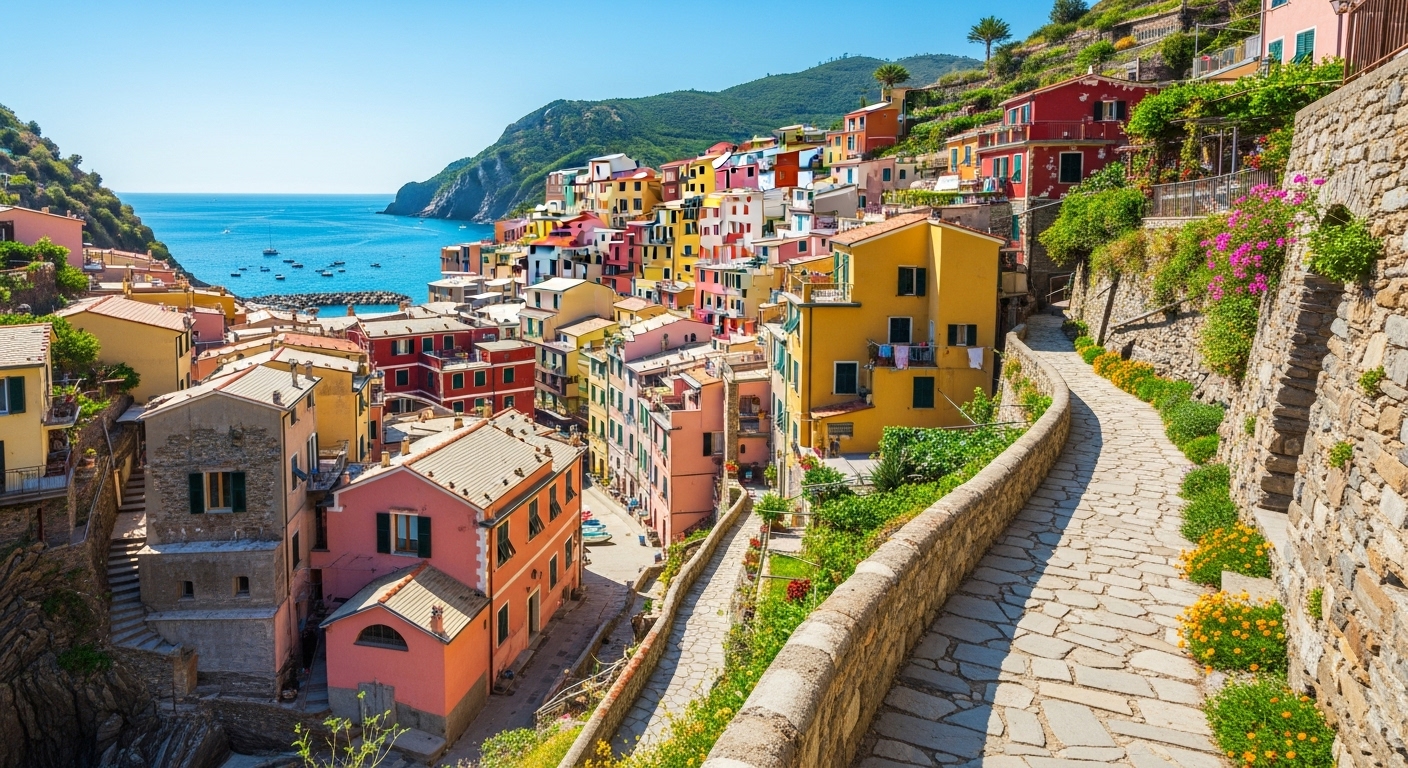
Villages with no roads—only walking trails feel like places where time has chosen to slow down. In a world dominated by highways, traffic signals, and honking horns, these villages offer a completely different rhythm of life. Here, there are no cars, no buses, and no parking spaces. Instead, life unfolds along narrow footpaths, stone steps, forest trails, and mountain tracks.
At WentWorld.com, we love uncovering destinations that challenge modern assumptions. Villages with no roads—only walking trails remind us that communities can thrive without vehicles. Have you ever wondered what daily life would feel like if walking was not a choice, but the only way forward?
In these villages, movement becomes intentional. Every trip is planned, every step matters, and every path tells a story shaped by geography, culture, and history.
Why Some Villages Never Built Roads
Many villages without roads exist because of extreme geography. Steep mountains, dense forests, deep valleys, or protected natural environments make road construction difficult, expensive, or environmentally harmful.
In other cases, roads were never built because communities formed long before vehicles existed. Over time, these villages adapted to modern life without sacrificing their original layout. Instead of expanding roads, residents preserved walking trails that continue to serve daily needs.
Gimmelwald, Switzerland: Alpine Living on Foot
Gimmelwald is a small alpine village perched high above the Lauterbrunnen Valley in Switzerland. There are no roads leading into the village. Visitors and residents arrive by cable car, then continue on foot along narrow paths connecting homes, farms, and guesthouses.

Daily life revolves around walking trails that wind through meadows and mountain slopes. Supplies are transported via cable systems, while people rely entirely on walking. According to MySwitzerland, Gimmelwald remains one of the country’s best-preserved car-free villages.
Would you enjoy starting every morning with mountain air and quiet footsteps?
Kalpa, India: Trails in the Himalayas
Kalpa, located in Himachal Pradesh, sits high in the Himalayan mountains. While roads reach nearby areas, much of the village itself relies on walking trails. Homes, temples, orchards, and fields are connected by narrow paths carved into the mountainside.
Locals walk daily to tend apple orchards, visit neighbors, and attend religious ceremonies. The lack of internal roads preserves the village’s natural beauty and reduces noise pollution. More about the region can be explored through Himachal Tourism.
Cinque Terre Villages, Italy: Coastal Footpaths
Several villages in Italy’s Cinque Terre region operate largely without roads. Places like Corniglia and Vernazza depend heavily on walking trails that connect colorful houses, vineyards, and cliffside viewpoints.

The famous Sentiero Azzurro trail links the villages, serving both locals and travelers. Residents walk daily to shops, homes, and train stations. According to Cinque Terre National Park, strict regulations limit road construction to protect the fragile coastline.
Giethoorn, Netherlands: Footpaths Beside Canals
Giethoorn is often called the “village with no roads,” although it features narrow footpaths alongside canals. Traditional roads are almost entirely absent from the village center. Instead, people walk or use small boats to move between homes.
Footbridges connect houses, while walking paths serve daily routines. Locals stroll to shops, schools, and cafes, creating a peaceful environment. Information about Giethoorn can be found at Holland Travel.
Longji Rice Terrace Villages, China: Steps Through the Fields
The villages around China’s Longji Rice Terraces rely entirely on stone walking paths. There are no roads connecting homes within the villages. Residents climb steep stairways carved between rice fields to reach their houses.
Goods are carried by hand or with baskets, and daily life follows the contours of the landscape. These walking trails have existed for centuries, preserving both culture and agriculture. More about the area is available via China Highlights.
Life Without Roads: How Daily Routines Change
In villages with no roads—only walking trails, daily routines adjust naturally. People carry groceries by hand, children walk to school, and neighbors interact more frequently because paths intersect often.
Without cars, noise levels drop dramatically. Conversations happen outdoors, footsteps replace engines, and evenings feel calmer. Walking becomes exercise, social interaction, and transportation all at once.
How Goods and Supplies Are Transported
One common question visitors ask is how supplies reach these villages. The answer varies. Some rely on cable systems, pack animals, boats, or manual carrying. Deliveries take longer, but residents adapt schedules accordingly.
This slower supply chain encourages mindful consumption. People buy what they need, waste less, and plan ahead.
Environmental Benefits of Road-Free Villages
Villages without roads experience lower pollution, reduced erosion, and better preservation of natural landscapes. Trails require minimal maintenance compared to asphalt roads, especially in fragile environments.
These villages often serve as models for sustainable living. By relying on walking, they reduce carbon emissions and protect ecosystems.
Why Travelers Are Drawn to These Villages
Travelers seek these villages for peace, authenticity, and connection. Walking slows the pace of travel, encouraging observation and reflection. Without cars, visitors notice architecture, sounds, and scenery more deeply.
Would you trade convenience for calm if it meant a deeper travel experience?
Challenges of Living Without Roads
Despite their beauty, road-free villages face challenges. Emergency access, aging populations, and limited accessibility can be difficult. Communities often balance tradition with modern needs carefully.
Yet many residents choose to stay because the benefits outweigh the challenges.
The Future of Road-Free Villages
As cities grow louder and more congested, interest in slow-living communities continues to rise. Villages with no roads—only walking trails represent a future where quality of life takes priority over speed.
Urban planners and sustainability experts increasingly study these villages as examples of low-impact living.
Could you imagine living in a village with no roads? Would walking everywhere feel freeing or limiting to you? Share your thoughts and experiences with us.
For more stories about unique places, slow travel, and hidden communities around the world, follow WentWorld.com on our social media platforms and stay inspired.
Catch up on the top stories and travel deals by subscribing to our newsletter!