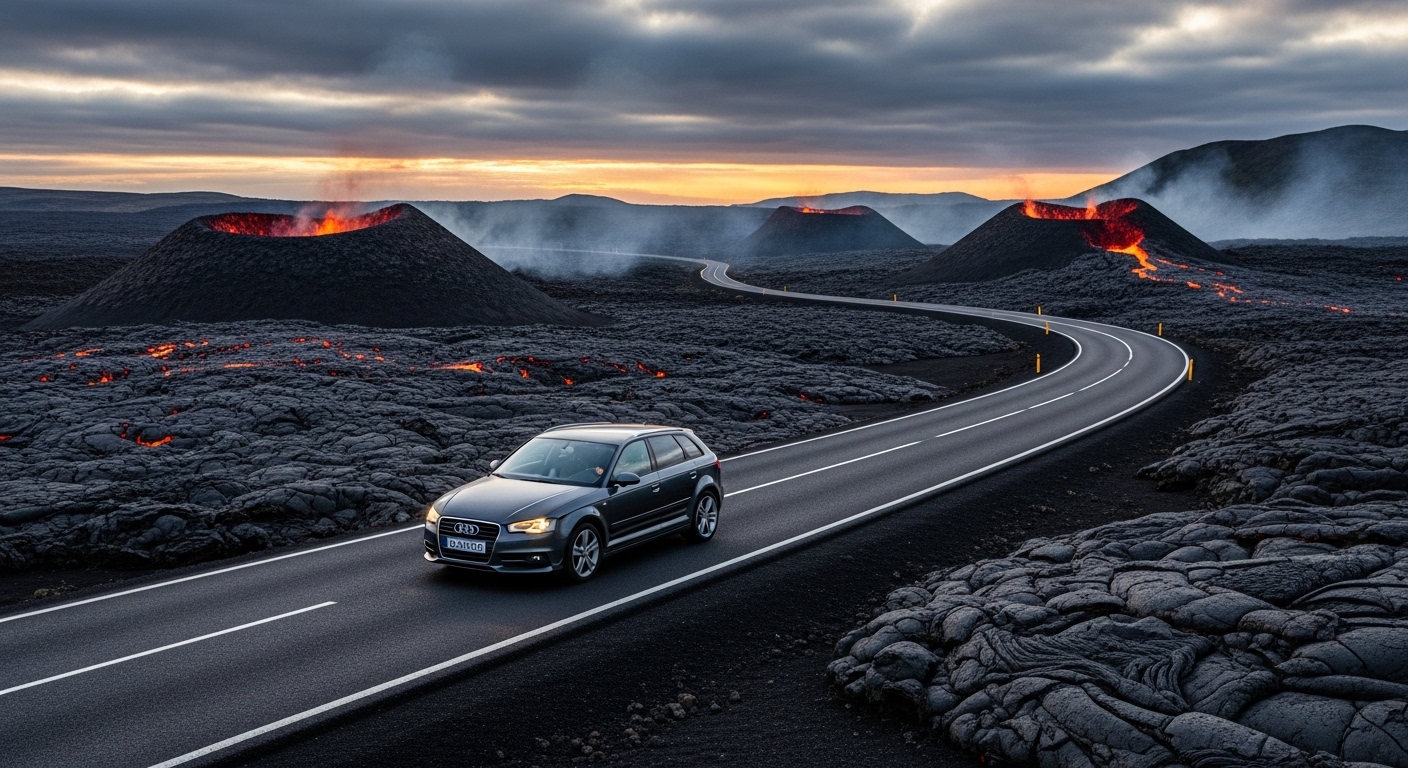
Dormant volcano parks offer a unique travel experience. Unlike active volcanoes, these landscapes are safe to explore, allowing travelers to witness craters, lava fields, and volcanic rock formations up close. Driving into these parks gives you the freedom to move at your own pace, pause for photos, and feel the thrill of standing where molten rock once flowed.
Have you ever imagined navigating a winding road that threads through volcanic craters, past hardened lava, and alongside bubbling hot springs—all without leaving your car? Dormant volcano parks make it possible. At WentWorld.com, we seek out destinations that are adventurous yet accessible, and these parks are perfect examples.
What Makes Dormant Volcano Parks Special?
These parks are usually formed by volcanoes that haven’t erupted in centuries. Unlike active volcanic areas, they are monitored for safety, allowing visitors to drive through roads carved around craters, lava domes, and unique geological formations.
Visiting a dormant volcano park is like stepping onto another planet. Jagged rocks, ash plains, and dramatic cliffs surround you. Yet, thanks to careful planning and roads, you can explore these fiery landscapes comfortably and safely.
Why Driving Through Dormant Volcano Parks Is Unique
Driving gives visitors control over their journey. You can stop at viewpoints, explore lava tunnels, or hike short trails without relying on tours. Unlike hiking-only volcano areas, these parks accommodate families, photographers, and travelers seeking scenic drives.
Moreover, driving allows you to witness changes in terrain gradually. Lava fields, crater rims, and fertile valleys unfold before your eyes, creating a dynamic experience that feels immersive rather than rushed.
Top Dormant Volcano Parks to Drive Into
1. Crater Lake National Park, Oregon, USA
Crater Lake National Park surrounds a volcanic caldera formed over 7,000 years ago. The park’s Rim Drive offers a scenic loop around the lake, providing stunning views of the deep blue water and surrounding cliffs.
The park is well maintained, with lookout points and picnic areas. According to the National Park Service, Rim Drive is accessible most of the year, giving drivers a safe way to experience this volcanic wonder.

2. Mount Fuji Fifth Station, Japan
Mount Fuji is an iconic volcano, and while the summit remains a challenge for climbers, the Fifth Station is reachable by road. From here, visitors can enjoy spectacular views of lava trails, surrounding forests, and alpine landscapes.
Japan’s roads are well maintained, and stopping at viewpoints allows travelers to appreciate the volcano’s scale. According to Japan Travel, driving to Mount Fuji’s Fifth Station offers an accessible way to experience this dormant giant.
3. Mount Etna (Southern Slopes), Sicily, Italy
While Mount Etna remains active, the southern slopes feature roads through areas that haven’t erupted in decades. Visitors can safely drive to vineyards, villages, and scenic overlooks built on ancient lava flows.
Tourists often combine driving with short walks along lava trails. The combination of fertile soil, historic villages, and volcanic landscapes makes it a rewarding experience.
4. Tongariro National Park, New Zealand
Tongariro National Park has multiple volcanic cones, including Mount Ngauruhoe and Mount Ruapehu. Certain roads allow drivers to approach dormant areas safely, providing access to crater lakes and lava formations.
According to NewZealand.com, guided stops and lookouts make it easy to experience the park’s dramatic volcanic features without hiking extensive trails.
5. Teide National Park, Tenerife, Spain
Mount Teide is Spain’s highest peak and a dormant volcano. Roads through Teide National Park allow cars to reach high altitudes and viewpoints near the caldera.
The volcanic landscape here is breathtaking. Lava flows, craters, and rocky outcrops surround the roads. Visitors often stop for sunrise or sunset to capture the unique light and shadows. According to WebTenerife, driving is one of the best ways to explore this volcanic terrain.

Daily Life and Experiences in Dormant Volcano Parks
Driving through these parks provides flexibility. Travelers can pause for photography, short hikes, or picnics. Educational signage often explains volcanic history, flora, and fauna, enriching the experience.
Families, solo travelers, and adventure seekers all benefit. You don’t need special equipment, yet you feel like an explorer witnessing a fiery past frozen in time.
Safety Tips for Visiting Dormant Volcano Parks
Even dormant volcanoes demand respect. Here are some tips for a safe visit:
- Check local park websites for road conditions and closures.
- Keep emergency supplies, especially in remote areas.
- Stay on marked roads and lookout points.
- Observe signage about volcanic hazards and wildlife.
- Plan your route to avoid sudden weather changes.
By following these guidelines, you can enjoy the thrill and beauty of volcanic landscapes safely.
Why Dormant Volcano Parks Fascinate Travelers
There’s something deeply compelling about standing on land forged by fire. Dormant volcano parks combine adventure, geology, and accessibility. Driving through them allows visitors to witness scale, color, and texture in a way that hiking alone cannot offer.
Have you ever driven along a volcano? Which park would you choose first? Share your experiences and let us know your favorite volcanic landscapes.
Dormant volcano parks provide safe access to fiery landscapes shaped over millennia. They remind us of nature’s power and the patience required to appreciate it. Whether in Japan, the USA, Europe, or Oceania, these parks offer unforgettable experiences for travelers willing to explore slowly and mindfully.
Follow WentWorld.com on our social media platforms for more hidden gems, volcanic adventures, and unique travel destinations.
Catch up on the top stories and travel deals by subscribing to our newsletter!