Imagine commuting to work on a boat instead of a bus. Cities with water taxis instead of buses offer this unique experience, where rivers, canals, and lagoons double as urban highways. In these cities, waterways are not only scenic—they are essential for daily transport, linking neighborhoods, offices, schools, and markets.
At WentWorld.com, we love uncovering cities where ordinary travel turns into an adventure. Cities with water taxis instead of buses show how geography and urban planning can redefine daily life. Have you ever wondered what it would feel like to float above the city while going about your day?
For residents, water taxis are practical and efficient. For visitors, they offer a rare perspective of urban life, revealing hidden architecture, local markets, and riverside communities that most people miss from the streets.
Why Water Taxis Replace Buses in Certain Cities
In cities built around rivers, lakes, or canals, roads may be narrow, congested, or non-existent. Water taxis provide an alternative, connecting districts faster than ground transport. They are often cheaper to operate and more environmentally friendly than expanding road networks.
Waterways are natural routes that bypass traffic jams, steep hills, or urban bottlenecks. Many cities have invested in fleets of water taxis, docks, and ticket systems to integrate them seamlessly into public transport networks.
Venice, Italy: The Iconic Vaporetto
Venice is perhaps the most famous example of a city where water taxis are essential. The Vaporetto system operates like a bus network, connecting islands and neighborhoods along the Grand Canal. Residents and tourists alike rely on these boats for daily transport, grocery trips, and sightseeing.
Venice’s water taxis are supplemented by private motorboats and gondolas. Together, they form a complete aquatic transit system. More details on routes and schedules can be found via Venezia Unica.

Bangkok, Thailand: Express Boats on the Chao Phraya River
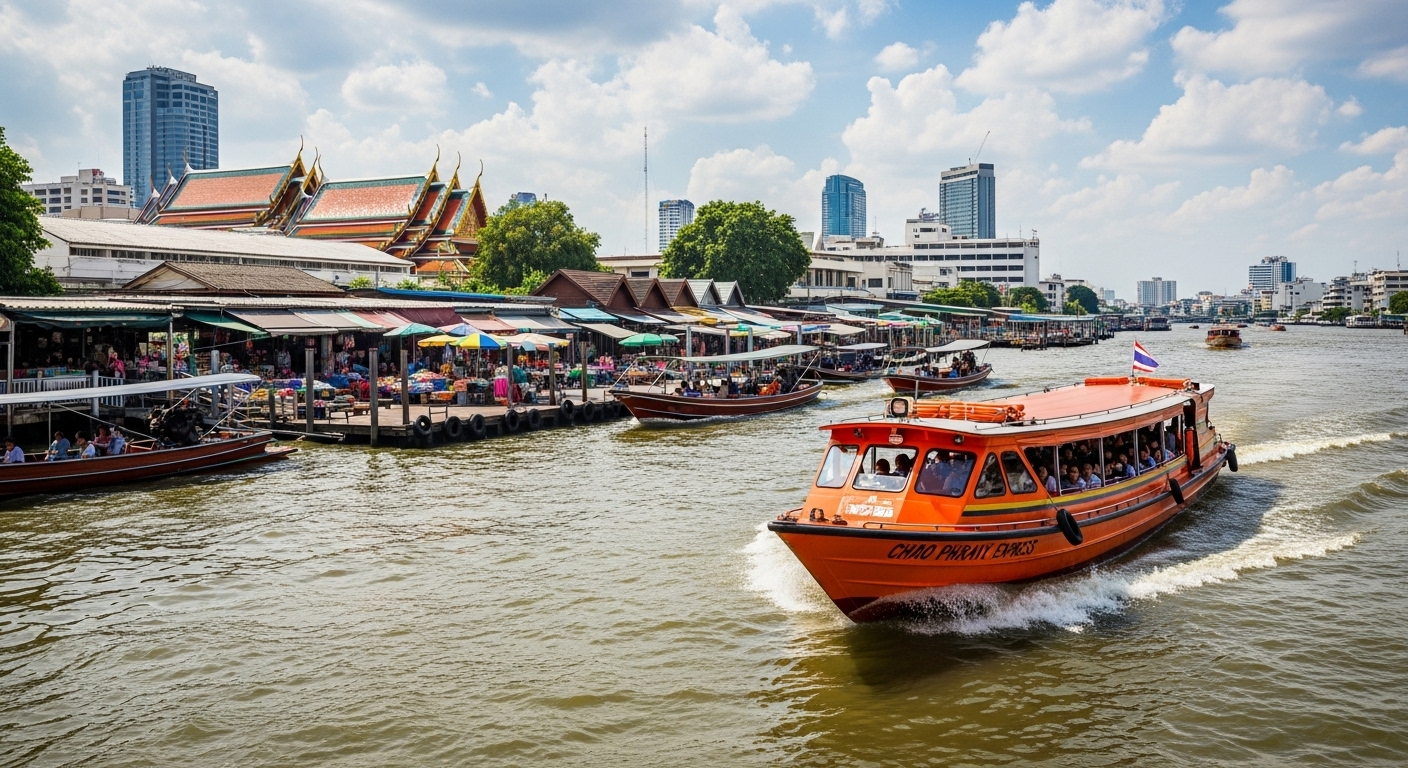
Bangkok’s sprawling metropolis suffers from heavy traffic, making waterways a faster alternative. The Chao Phraya Express Boat service connects key districts along the river. Locals use water taxis for commuting to work, school, and markets, while tourists enjoy them for sightseeing.
The boats vary from large ferries to small, fast-moving water taxis. According to Bangkok Travel, this system moves tens of thousands of passengers daily, reducing road congestion significantly.
Amsterdam, Netherlands: Canals as Streets
Amsterdam’s historic canals are more than scenic landmarks—they serve as functional streets. Water taxis and small ferries provide daily transport across neighborhoods, connecting residential areas with offices and cultural sites. The city has a carefully managed network of canals, docks, and routes that support daily commuting.
Residents enjoy shorter travel times compared to narrow roadways and heavy bike traffic. For tourists, riding a water taxi offers a unique perspective on Amsterdam’s architecture and lifestyle. More info is available at Iamsterdam.

Mumbai, India: Waterways for Busy Commuters
In Mumbai, ferries and water taxis connect suburbs, ports, and coastal areas, providing a practical alternative to crowded trains and traffic-congested streets. Locals use them to commute efficiently, especially in areas where bridges and roads cannot handle peak-hour traffic.
The Mumbai ferry network continues to expand, improving access to islands and waterfront neighborhoods. According to Maharashtra Tourism, water taxis are now part of the city’s integrated transport plan.
Suzhou, China: Floating Through History
Known as the “Venice of the East,” Suzhou combines ancient canals with modern water taxis. Residents and tourists use boats to travel between traditional gardens, markets, and neighborhoods. The waterways remain vital to urban life, preserving historic charm while supporting daily transit.
Water taxis provide faster travel than roads and reduce congestion in narrow streets. This city exemplifies how blending heritage and practicality can create functional waterways. Learn more at China Highlights.
Benefits of Water Taxis Over Traditional Buses
Water taxis reduce traffic congestion, lower emissions, and offer scenic, stress-free travel. They can navigate areas where roads are impractical, connecting communities while preserving historic city layouts. They also provide unique tourist experiences while serving residents’ practical needs.
How Daily Life Revolves Around Water Transit
In cities with water taxis as local transit, daily routines depend on dock locations, schedules, and ticketing systems. Shops, schools, and offices often align with ferry routes, while neighborhoods develop around water access. For many locals, the water taxi is as essential as a bus or subway in other cities.
Would you plan your day around a water taxi schedule if it meant smoother, more scenic travel?
Challenges of Water-Based Transit
Operating a water taxi network requires weather monitoring, dock maintenance, and safety management. Floods, strong currents, and storms can disrupt services. Despite these challenges, cities invest in water transport because of its efficiency, environmental benefits, and cultural significance.
Why Visitors Should Try Water Taxis
For travelers, water taxis offer more than transportation—they provide immersive views of urban landscapes, local life, and historic architecture. Riding daily transit like a local enhances cultural understanding and often leads to unexpected discoveries along the waterways.
Have you ever used a water taxi instead of a bus? Which city’s waterways fascinated you the most? Share your experiences and tips with us. We love hearing about your adventures in unique urban transport.
For more travel inspiration, hidden urban gems, and unusual transit stories, follow WentWorld.com on our social media platforms.
Catch up on the top stories and travel deals by subscribing to our newsletter!