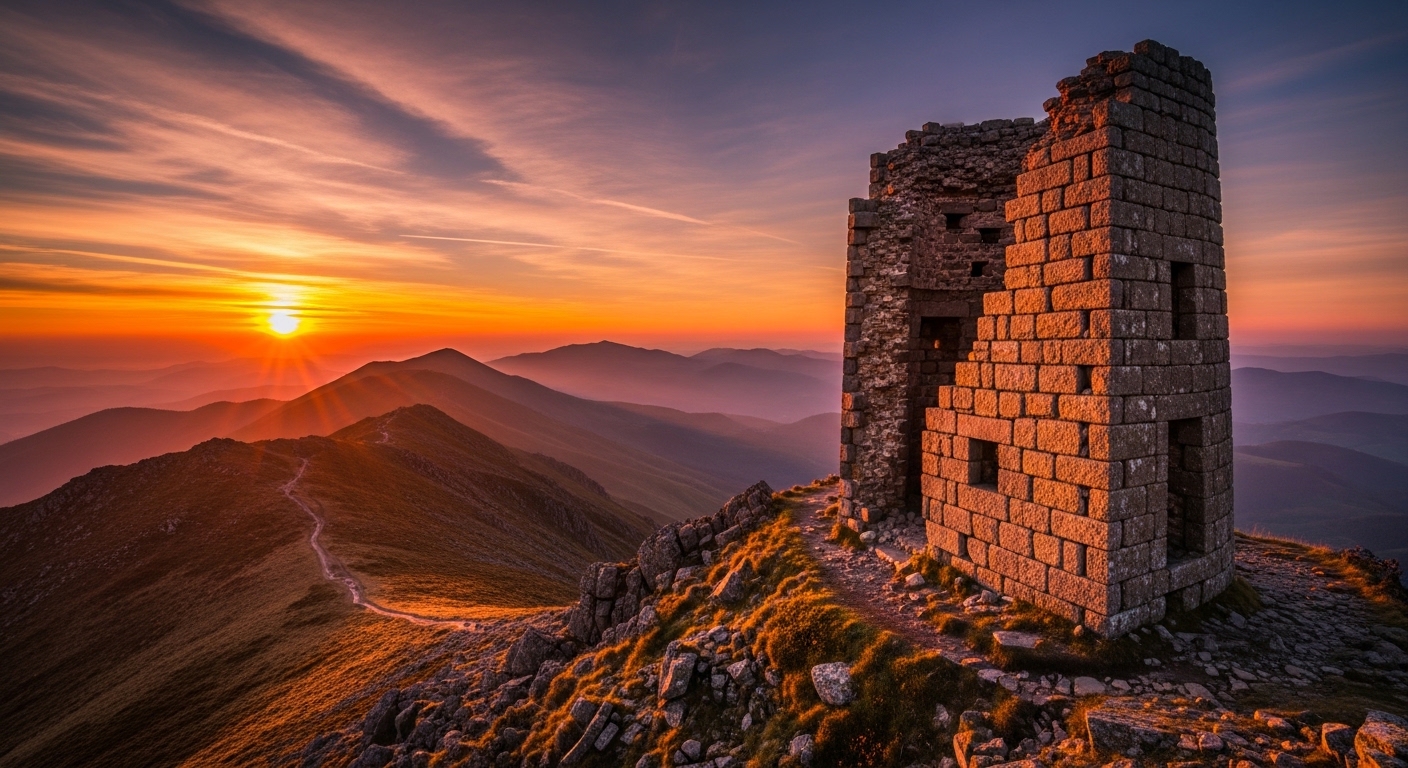
Long before satellites, mobile phones, or even written postal systems, humans relied on fire and light to send messages across vast distances. Today, historic signal fire hills—beacon-to-beacon hikes invite modern travelers to step into that ancient network and physically walk the same routes once used to warn kingdoms, defend borders, and unite distant communities. These hills, often positioned on ridges, coastlines, and mountain peaks, formed early communication chains that spanned entire regions.
Imagine hiking from one hilltop to another, knowing that centuries ago flames once leapt into the night sky from these very points. Each beacon was part of a living system — one fire igniting another, passing urgent messages across landscapes faster than any messenger on horseback. Today, these routes are being rediscovered as immersive hiking experiences that blend history, geography, and outdoor adventure.
The Origins of Signal Fire Hills
Signal fire systems existed across nearly every ancient civilization. From the Great Wall of China to the coastlines of Greece and the moors of Britain, fire was the first true long-distance communication technology.
In ancient China, beacon towers along the Great Wall transmitted warnings of invasions. According to historical records documented by China Highlights, smoke signals could relay messages over 500 kilometers in a single day.
In Europe, medieval kingdoms built beacon hills along coastlines and borders. England’s famous Armada beacons warned of the Spanish invasion in 1588, lighting up the entire country within hours. Scotland, Ireland, Wales, Spain, Morocco, Japan, and Peru all developed similar systems.
These networks were not symbolic — they were operational infrastructure. Fire meant invasion. Smoke meant danger. Multiple fires meant urgency. Communication was encoded in light.
Why Beacon-to-Beacon Hiking Exists Today
Today, historic signal fire hills—beacon-to-beacon hikes exist because these routes already had three perfect ingredients: strategic placement, scenic views, and historical meaning. Modern trail developers recognized that these old communication chains naturally form ideal long-distance hiking corridors.
Many beacon hills were positioned on the highest ridges and clearest sightlines, which also happen to be some of the most breathtaking landscapes on earth. The result is hiking routes that offer panoramic views, minimal urban interference, and deep historical narrative.
Unlike random mountain trails, beacon hikes follow logical human stories. You are not just walking terrain — you are retracing a message.
Famous Beacon-to-Beacon Routes Around the World
Several regions now actively preserve and promote these trails:
- England’s Beacon Hills: Routes across Devon, Sussex, and Yorkshire follow medieval fire chains. The National Trust maintains many of these paths.
- Great Wall Beacon Trails (China): Portions of the wall allow hikers to move between ancient signal towers, especially near Jiankou and Simatai.
- Scottish Highlands: Clan-era beacon hills formed early warning systems against Viking raids.
- Spanish Coastal Beacons: Watchtowers called “torres de vigía” line the Mediterranean coastline.
- Japanese Yamajiro Routes: Mountain fortresses used smoke signals between hilltop castles.
These are not museum trails — they are living landscapes still accessible to hikers today.

What It Feels Like to Walk a Signal Route
Beacon-to-beacon hiking is different from normal trekking. There is a psychological dimension to it. You are constantly scanning the horizon, imagining the next fire point, the next hill, the next visual link.
Most hikers describe a strange sense of connection — not just to history, but to human instinct itself. The need to signal. To warn. To connect across distance.
On clear days, you can often physically see the next beacon hill from your current one. That visibility creates an emotional experience that modern GPS trails rarely offer.
Would you walk faster knowing ancient soldiers once raced these ridges carrying news of war?
Why These Trails Matter in the Modern World
Historic signal fire hills—beacon-to-beacon hikes are not just about nostalgia. They represent humanity’s first global network — the ancestor of telegraphs, telephones, and the internet.
These trails teach powerful lessons:
- How communication shaped civilization
- Why geography determines technology
- How visibility equals power
- Why humans always seek faster connection
Walking these routes becomes a meditation on information itself. We often think connectivity is new, but these hills prove humans have always chased speed of communication.
Best Seasons for Beacon Hiking
Most beacon hills were designed for maximum visibility, which also means they are exposed to weather. The best seasons are typically spring and autumn when skies are clear and temperatures moderate.
Fog, mist, or storms can completely remove the core experience — the ability to see the next hill. Without that line of sight, the symbolic value disappears.
Weather platforms like Mountain Forecast are especially useful when planning these hikes.

Equipment and Preparation
Beacon routes are often longer than they appear. Because hills were spaced for visual contact rather than comfort, distances between them can be deceptively demanding.
Key preparation tips:
- Binoculars for spotting distant beacon points
- Offline maps for ridge navigation
- Headlamp for sunset returns
- Wind protection layers
Some modern hikers even bring LED lanterns and recreate symbolic beacons at sunset — a silent tribute to ancient systems.
Environmental and Cultural Preservation
Many historic signal hills are protected heritage sites. Organizations like UNESCO recognize several beacon networks as cultural landscapes.
Preserving these routes prevents urban sprawl from erasing humanity’s earliest communication infrastructure. Without conservation, these hills become just unnamed viewpoints instead of living history.
The Future of Beacon-to-Beacon Travel
With growing interest in slow travel, heritage hiking, and meaningful journeys, historic signal fire hills—beacon-to-beacon hikes are likely to become one of the most intellectually satisfying forms of travel.
They offer something modern destinations cannot: a story that unfolds physically under your feet.
You are not chasing views — you are chasing light across centuries.
Would you prefer walking a trail built for Instagram photos, or one built to save entire civilizations?
Share your thoughts below. Have you ever hiked a historic signal route without realizing it? Or would you plan a journey specifically around beacon hills?
Follow WentWorld.com on our social media platforms for more rare travel concepts, forgotten routes, and places where history becomes an experience rather than a museum.
Catch up on the top stories and travel deals by subscribing to our newsletter!