
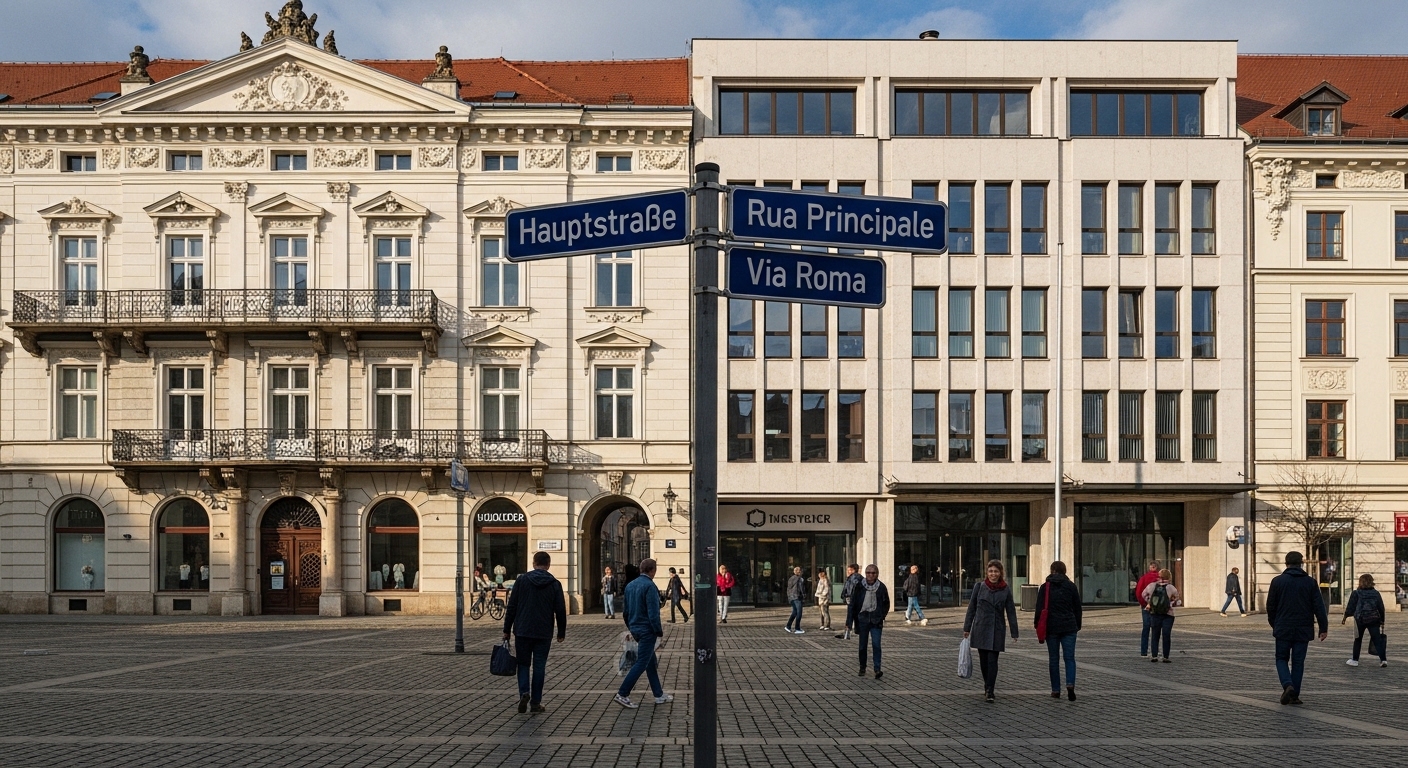
Historic border towns with blended cultures are living proof that lines on maps rarely define human connection. Long before passports and checkpoints, people traded goods, stories, languages, food, and traditions across invisible frontiers. The result? Towns where architecture tells two stories at once, where street signs switch languages mid-block, and where festivals feel like shared celebrations rather than divided histories.
These towns are not just geographic edges. They are cultural bridges. They show us that identity is layered, dynamic, and beautifully complex. Have you ever walked through a place and felt like you were standing in two countries at the same time? That unique sensation often defines historic border towns with blended cultures.
In this journey by WentWorld.com, we explore remarkable towns around the world where cultures intertwine naturally. We will look at how history shaped them, how daily life reflects cultural fusion, and why they remain some of the most compelling destinations for curious travelers today.
The Beauty of Cultural Blending at the Edge
Border towns often emerge from trade routes, colonial negotiations, wars, or shifting empires. However, what makes them extraordinary is not conflict but coexistence. Over generations, families intermarry, languages merge, and culinary traditions evolve into something entirely new.
In many historic border towns with blended cultures, you will hear two languages spoken interchangeably in markets. You may notice architectural styles layered together, such as colonial balconies beside Ottoman arches or French shutters paired with German timber frames. These visual contrasts tell stories of movement, resilience, and adaptation.
Isn’t it fascinating how borders meant to separate people often create the richest cultural exchanges instead?
Strasbourg, France
Located near the border of France and Germany, Strasbourg has changed national identity multiple times throughout history. The result is a city that feels both French and German in equal measure. Walking through its historic center, you will notice half-timbered houses that resemble villages in Bavaria, yet cafés serve flaky croissants and espresso in unmistakably French style.
The magnificent Strasbourg Cathedral stands as a symbol of shared European heritage. Meanwhile, the city hosts major European institutions, including the European Parliament, reinforcing its role as a bridge between cultures.
You can explore more about Strasbourg’s cultural history through resources like Lonely Planet. Still, no guidebook can replace the experience of hearing church bells echo over canals while conversations shift fluidly between French and German.
El Paso, USA and Ciudad Juárez, Mexico
Few places demonstrate the power of cultural blending as vividly as El Paso and Ciudad Juárez. Although separated by the Rio Grande, daily life on both sides reflects deep interconnection. Families often have relatives across the border, and cuisine seamlessly merges Texan and Mexican influences.
Music, food, and language create a shared identity that transcends political boundaries. Spanish and English mix in casual conversation, creating a linguistic rhythm unique to the region.
Airlines such as American Airlines connect travelers easily to this region, yet what truly connects people here is shared heritage rather than transportation routes. Have you ever tasted a dish that felt like two traditions in one bite? Border cuisine often delivers exactly that experience.

Istanbul, Turkey
Istanbul is one of the world’s most iconic historic border towns with blended cultures, even though its “border” lies between continents rather than countries. Straddling Europe and Asia across the Bosphorus Strait, Istanbul merges Byzantine, Roman, and Ottoman influences.
The Hagia Sophia stands as a powerful symbol of layered identity, having served as a cathedral, mosque, and museum over centuries. Nearby, the Grand Bazaar reflects centuries of trade that connected East and West.
For deeper historical insights, UNESCO highlights Istanbul’s significance as a World Heritage Site. Yet the real magic lies in everyday scenes: ferry rides across continents, the scent of spices in markets, and the harmonious call to prayer blending with city sounds.
Gorizia, Italy and Nova Gorica, Slovenia
Gorizia and Nova Gorica represent a fascinating modern example of a divided town that evolved into a shared cultural hub. After World War II, political agreements split the area between Italy and what was then Yugoslavia. Families were divided, and infrastructure was reshaped.
Today, however, the border is nearly invisible thanks to the Schengen Agreement. Public squares connect seamlessly. Festivals celebrate both Italian and Slovenian traditions. The blending feels intentional, hopeful, and forward-looking.
Organizations like the European Union emphasize cross-border cooperation, and this town pair stands as a living example of unity emerging from division.
Tangier, Morocco
Tangier has long stood at the crossroads of Africa and Europe. Positioned near the Strait of Gibraltar, it has welcomed Phoenicians, Romans, Arabs, and Europeans across centuries. Its architecture reflects Moorish design alongside colonial influences.
Writers and artists once flocked to Tangier, drawn by its international atmosphere. Walking through its medina, you may hear Arabic, French, Spanish, and English within minutes. The blend feels natural rather than forced.
More details about Morocco’s diverse regions can be explored through Visit Morocco, but experiencing Tangier firsthand reveals how deeply cultures can intertwine.
Daily Life in Historic Border Towns With Blended Cultures
What makes historic border towns with blended cultures truly special is not just monuments or history books. It is daily life. Children grow up bilingual. Recipes pass down with subtle changes influenced by neighbors across the line. Weddings combine customs from two traditions.
Markets are often the best places to witness this blending. Spices from one country sit beside breads from another. Currency exchange booths stand next to souvenir shops selling hybrid crafts. Even fashion can reflect cultural fusion, with styles influenced by multiple traditions.
Have you ever imagined living in a place where your identity automatically includes more than one heritage? Border towns make that reality visible.

Why These Towns Matter Today
In a time when global headlines often emphasize division, historic border towns with blended cultures offer a different narrative. They show that coexistence is not only possible but enriching. They demonstrate that culture evolves through interaction, not isolation.
These towns remind us that history is layered rather than linear. Borders may shift, governments may change, but community connections often endure.
As travelers, we have an opportunity to approach these destinations with curiosity and respect. Instead of seeing borders as barriers, we can see them as invitations to learn.
Traveling Responsibly Through Cultural Crossroads
When visiting border towns, sensitivity matters. Understand local history before arriving. Recognize that some borders have painful pasts. Engage with local guides. Support small businesses. Listen more than you speak.
Responsible travel strengthens the very cultural blending that makes these towns unique. It ensures that tourism enhances rather than erodes local identity.
So let us ask you: Which border town intrigues you the most? Have you visited one that surprised you with its cultural richness? Share your stories and reflections with us. Your experiences might inspire fellow readers.
If you enjoy discovering destinations where cultures merge beautifully, follow WentWorld.com on our social media platforms. We continue to explore places where history, identity, and travel intersect in meaningful ways.
Catch up on the top stories and travel deals by subscribing to our newsletter!







Leave a Reply
You must be logged in to post a comment.