Have you ever thought that being a seasoned traveler would automatically make you immune to culture shock? Many of us assume that after exploring multiple countries, hopping across continents, and sipping coffee in countless airports, we should be pros at adapting anywhere. But here’s the twist: culture shock doesn’t disappear just because you’re experienced. In fact, sometimes it hits harder when you’ve already traveled extensively, because expectations and assumptions come into play. That’s why today we’re diving deep into how to deal with culture shock as a seasoned traveler—with practical insights, relatable stories, and tips that actually work.
Before we get too far, let’s pause for a moment. When was the last time you landed in a new country and felt completely off balance? Did you notice yourself comparing everything to your past trips, or maybe even getting frustrated at things that felt “too different”? If so, you’re not alone. Even the most frequent flyers get blindsided by cultural differences. Read more on how to deal with culture shock as a seasoned traveler.
Why Seasoned Travelers Still Struggle With Culture Shock
You might think that once you’ve stamped your passport a dozen times, culture shock would fade into the background. Yet the truth is more complicated. The human brain is wired to seek comfort in the familiar. When you step into a world where the food tastes different, social rules flip upside down, and even the way people cross the street feels foreign, your brain goes into overdrive. Yes, it’s exciting—but it can also be overwhelming.
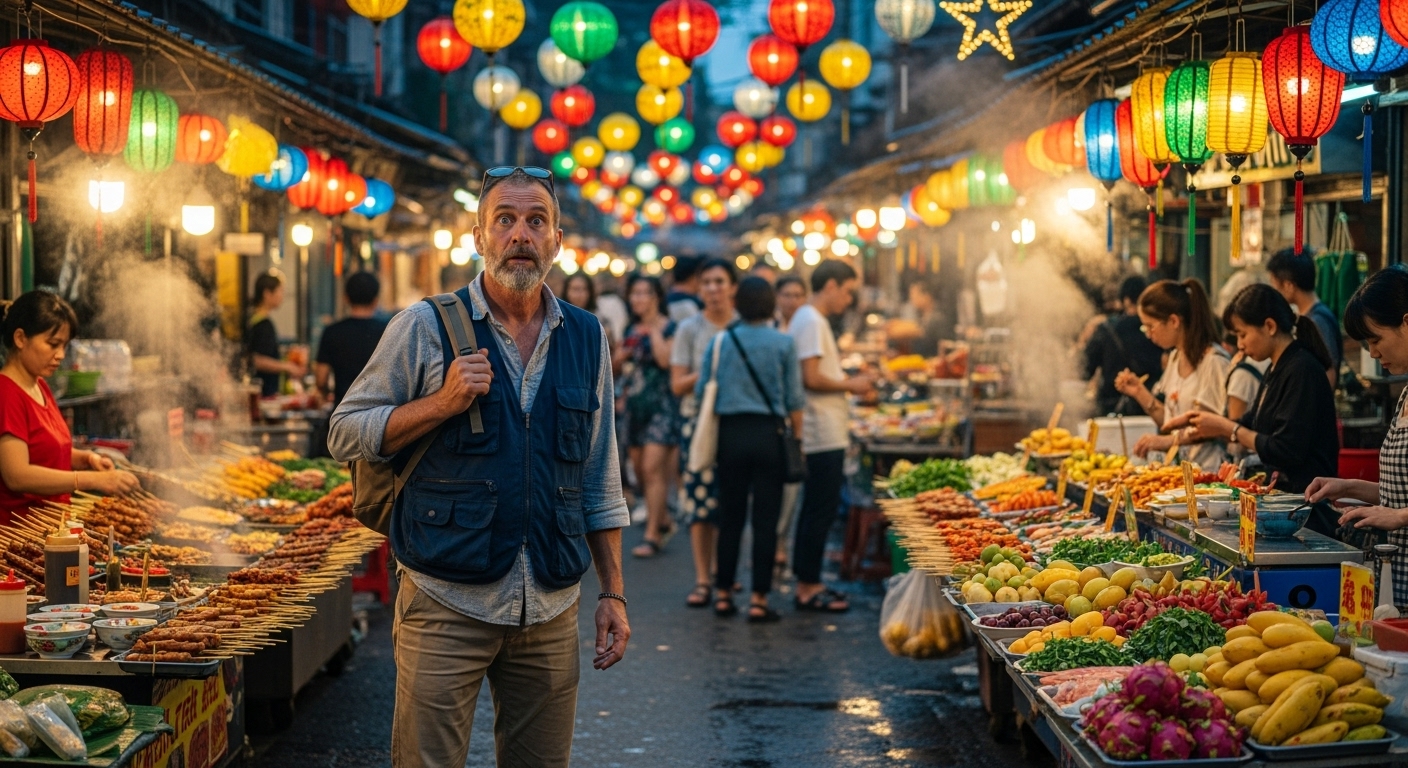
For seasoned travelers, culture shock often sneaks in because of assumptions. For example, you may have spent months in Europe and assume Asia will feel similar in terms of modern conveniences. But then you land in a bustling street market in Bangkok, and suddenly your comfort zone vanishes. That unexpected jolt? That’s culture shock. And if you’re not prepared, it can sour an otherwise amazing journey.
The Four Stages of Culture Shock
Even for veteran globetrotters, the four classic stages of culture shock usually show up:
- Honeymoon phase – You’re thrilled by every little detail, from the street signs to the local snacks. Everything feels magical and refreshing.
- Frustration phase – That excitement wears off. Suddenly, the slow Wi-Fi, confusing transport, or language barriers feel exhausting.
- Adjustment phase – You begin to adapt. You figure out how things work, and what felt strange before becomes part of your daily rhythm.
- Acceptance phase – You’re not just surviving, you’re thriving. The new culture feels normal, and you find joy in navigating it.
Have you noticed yourself moving through these phases during past trips? Sometimes they happen quickly, and other times it takes weeks or months. But recognizing them can make the process easier.

Why Culture Shock Can Hit Harder When You’re Experienced
Now here’s something most guides won’t tell you: being well-traveled can actually intensify culture shock. Why? Because seasoned travelers develop unspoken expectations. For example, if you’ve been to Japan and admired the punctuality of trains, you might expect the same in South America. But then, when a bus runs two hours late in Peru, frustration builds faster because of the comparison.
Another reason is confidence. Experienced travelers often walk into new places with a sense of “I’ve got this.” So when they encounter challenges that feel bigger than expected—like a language barrier they can’t break—it rattles them even more than a first-time traveler who expects everything to be confusing.
Practical Tips to Handle Culture Shock as a Seasoned Traveler
Let’s get to the heart of it: what can you do to handle culture shock in a healthy way? Here are strategies that truly work, even if you’ve been traveling for years:
- Reset your mindset: Approach each destination as if it’s your first trip. Wipe away assumptions and let curiosity take the lead.
- Learn small things fast: Picking up 5–10 local words or phrases can reduce frustration and build confidence quickly.
- Balance old and new: Find comfort in small familiarities (like carrying your favorite snack) but also push yourself to embrace the new.
- Stay patient: Remind yourself that frustration is part of the process. Breathe, step back, and give it time.
- Connect with locals: Conversations with residents often reveal the “why” behind cultural quirks, which makes them easier to accept.
- Journal your journey: Writing down your feelings not only helps you process them but also becomes a record of growth.

The Emotional Side of Culture Shock
It’s not just about confusion over bus schedules or unusual meals—it’s also about emotions. Culture shock can trigger loneliness, irritability, and even self-doubt. Many seasoned travelers don’t talk about this because they fear it makes them look inexperienced. But here’s the reality: it’s okay to feel lost, even after years of exploring the world. Acknowledging that vulnerability actually makes you stronger.
Have you ever had a moment where you wanted to pack your bags and just fly home early because the culture felt too overwhelming? What did you do in that moment? Sharing your story could help other travelers who are going through the same thing.
Turning Culture Shock Into Growth
Here’s the bright side: culture shock isn’t just a hurdle—it’s also an opportunity. Every uncomfortable experience is a chance to stretch your worldview. Think of it as building your mental and emotional muscle. When you push through that discomfort, you gain resilience, empathy, and adaptability—skills that extend far beyond travel.
For example, struggling with language barriers might teach you patience in communication. Facing different social customs might expand your empathy toward people back home who live differently. The lessons of culture shock echo long after your trip ends.
Culture Shock Stories from the Road
To make this real, let’s dive into some relatable examples. Imagine a seasoned traveler arriving in India for the first time. They’ve been to dozens of countries, but the sheer sensory overload—noise, colors, smells, crowds—hits them like a wave. At first, frustration takes over. But then, after slowing down and talking with locals, they find beauty in the chaos. That’s the transformation of culture shock into growth.
Or consider someone who’s traveled across Europe with ease, then suddenly finds themselves in rural Africa with no internet, limited electricity, and very different social dynamics. At first, it feels isolating. But eventually, they connect with the community, share meals, and realize the value of simplicity. That’s the power of adaptation.
How to Prepare Before You Travel
While you can’t avoid culture shock completely, you can prepare for it:
- Research local customs before arriving.
- Talk to other travelers who’ve been there recently.
- Pack familiar comfort items, but keep space for new discoveries.
- Keep your expectations flexible—because surprises are guaranteed.
Preparation won’t eliminate culture shock, but it will make you more resilient when it strikes.
So how to deal with culture shock as a seasoned traveler? The answer lies in a mix of humility, curiosity, and patience. Every culture has its quirks, and the more open you are to them, the richer your journey becomes. Rather than seeing culture shock as a problem, try reframing it as part of the adventure. After all, if everything felt the same everywhere, would traveling still be exciting?
Now, let’s hear from you! What was the most surprising culture shock moment you’ve ever faced as a seasoned traveler? How did you handle it? Share your stories in the comments below—we’d love to learn from your experiences.
And don’t forget: if you enjoy content like this, follow us on our social media platforms to keep the conversation going. We’re building a community of travelers who support, inspire, and learn from each other.
Catch up on the top stories and travel deals by subscribing to our newsletter!