Have you ever felt a pull towards the timeless rhythms of rural life? Visiting villages where ancient traditions still live on can feel like stepping into a living story—one where every craft, ceremony, and daily routine is woven from centuries of human experience. In this post, we dive deep into why this kind of travel isn’t just another tourist box to tick—it’s a chance to connect, learn, and perhaps even rediscover something in yourself.
Why Visiting Villages Where Ancient Traditions Still Live On Is So Magical
There’s something undeniably enchanting about villages that guard their heritage. Visiting villages where ancient traditions still live on means encountering rituals passed down through generations—whether it’s an age-old weaving technique, a harvest festival marked by drumbeats, or spiritual practices that bind communities to their ancestry.
These places aren’t museum exhibits; they’re living, breathing ecosystems. The people you meet—be they artisans, elders, or local families—offer a glimpse into a way of life that resists the fast pace and disposable patterns of the modern world. And isn’t that what we all crave in our travels these days? Authenticity. Connection. Meaning.
Dive In: What to Expect When You Visit
Curious minds, you’re in for a treat. Visiting villages where ancient traditions still live on brings a multi-sensory adventure:
- Sight: Intricately patterned textiles, children playing by the riverside, and elders carving stories into wood or stone.
- Sound: The cadence of folk songs, the repetition of hymns, or the rhythmic pace of ritual dances.
- Smell: Herbs drying for medicinal teas, smoke rising from a cooking fire, or aroma-rich clay walls baked by the sun.
- Touch: The texture of handspun yarn, the coolness of a village well, or the grain of ancestral tools shared by generations.
- Taste: Freshly milled grains, stews simmered with wild herbs, or sweets made only during harvest season.
Each sensation tells a piece of the story—and the key phrase “visiting villages where ancient traditions still live on” is exactly how I found myself journeying into these worlds time and again.
1. Meet the Artisans: Guardians of Heritage
Visiting villages where ancient traditions still live on starts with meeting the people who embody that heritage. Take the weaver in her 70s who learned her craft from her grandmother, or the blacksmith who uses the same forge his ancestors did seven centuries ago. These artisans aren’t putting on a show—they’re living their cultural inheritance.
In one mountain village, I watched a potter shape clay with hands that knew every curve and contour. She told me, “This is our language.” In another, I listened to a storyteller recount myths that explained the rise of local landmarks. I found myself asking: how did these traditions survive? What makes them so resilient?
What traditions have you seen passed down in your own family or travels? I’d love to hear your stories—drop a comment below and let’s compare notes.
2. Take Part in Ceremonies: More Than a Spectacle
Ceremonies in these villages aren’t tourist attractions—they’re communal pulses. When you join, even as a guest, you become part of a collective breath. I once arrived during a harvest blessing ritual, where families sang by firelight, and the rice—fresh from the fields—was laid as an offering. There’s no feeling like being invited into something sacred.
It’s okay to have questions. I remember asking local girls about the patterns embroidered on their shawls—they explained how each design represented a value or moment in their history. Inviting visitors to ask, to be curious, opens doors. And guess what? Sometimes you’re invited back year after year.
3. Share a Meal, Share a Life
Meals in these villages are an act of community—offered with open hands, shared over a low table or even a mat on the dirt floor. I still savor the taste of millet bread baked in a communal oven, served with goat cheese produced just feet away. Visiting villages where ancient traditions still live on isn’t just about watching—it’s about tasting, licking your fingers, and asking for more.
The act of eating together levels all differences. I’ve sat cross-legged with elders who laughed and teased a visiting foreigner like me. You learn etiquette—when to fold your hands, how to say thank you, when to join in the cleanup. These small lessons become lasting memories.
4. Learn Crafts with Your Own Hands
Many of these communities welcome travelers to try their hand at traditional crafts. Visiting villages where ancient traditions still live on becomes unforgettable when you leave with your own handmade souvenir—crafted under guidance, but ultimately your own creation.

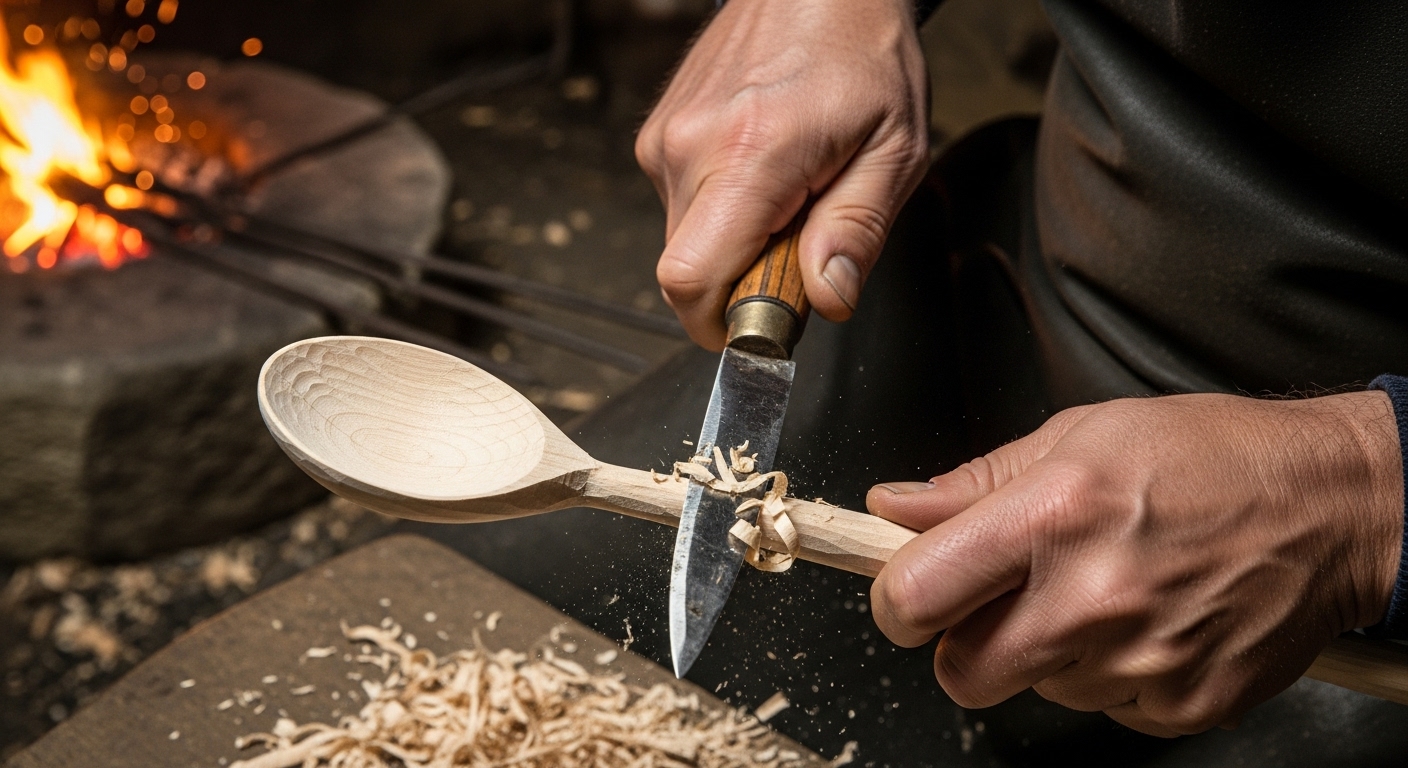
I once spent an afternoon carving a wooden spoon with a local craftsman; the grooves were uneven, but I carried it home, proud of the journey behind it. Have you ever tried a traditional craft during travel? How did it feel to hold something you made yourself?
5. Understand the Connection with Nature
These villages often exist in harmony with their surroundings—herbal medicine knowledge, rotational farming, sacred groves, water rituals tied to lunar cycles. They remind us that ancient wisdom about living sustainably still matters tremendously today.
I helped a shepherd milking his goats at dawn and learned which shrubs the animals preferred—information that had been passed forward by his great-grandfather. Visiting villages where ancient traditions still live on means rediscovering our roots in the earth.
6. Respectfully Navigate Connectivity
Sure, some of these places now have solar panels, small shops, or even limited wifi—but they preserve traditional rhythms. Make visiting villages where ancient traditions still live on about connection: to people, land, language, not just Instagram shots.
Ask permission, learn basic greetings in the local tongue, don’t snap photos without consent. It shows respect—and often leads to laughter, trust, and genuine interaction.
7. Overcoming Challenges: How Tourism Can Help, Not Hurt
Tourism can be a blessing—or a burden. Approached thoughtfully, it provides economic support that allows communities to preserve their traditional ways. I’ve seen travelers contribute to craft cooperatives, pay fair prices, and spark cultural pride.
But mass tourism can dilute authenticity. Visiting villages where ancient traditions still live on is about being a responsible traveler. Buy directly from artisans, tip fairly, follow local guidelines—and your presence becomes a respectful bridge, not a disruptive tidal wave.
8. Planning Your Journey: Practical Tips
If you’re ready to experience villages where ancient traditions still live on, here’s what to keep in mind:
- Research first: Look for community-run homestays or cooperative tours.
- Stay local: Base yourself in village-run accommodations, not corporate resorts nearby.
- Pack mindfully: Bring biodegradable toiletries, small gifts for hosts (tea, stationery).
- Learn language bits: Simple phrases like “thank you” or “delicious” go a long way.
- Be flexible: Villages follow weather, seasons, and rituals—not tourist timetables.
By respecting these points, visiting villages where ancient traditions still live on becomes not just a travel moment—but a cultural exchange that resonates.
9. Reflecting on Change: What You Bring Back
Me? I returned with a small woven tablecloth, herbal teas, and quiet stories etched in memory. But more importantly, I brought home reminders:
- The value of slow days and shared labor.
- How wisdom lives in people who nurture traditions daily.
- That connection to the earth isn’t relic—it’s nourishment.
What do you hope to bring home from your next journey? Show us your keepsakes, your stories—let’s build a gallery of shared memories!
10. Join the Conversation
Have I inspired you to visit villages where ancient traditions still live on? What questions do you have about planning, staying, or connecting? Drop them in the comments below—let’s spark a conversation.
And when you do go, share your stories with us. We’d love to hear how those traditions touched you. If you’ve already been on such a journey, what was your biggest takeaway?
Visiting villages where ancient traditions still live on isn’t just a trip—it’s an invitation. It’s an opportunity to see how people hold onto their identity, to learn from their relationship with the land and time, and to carry a piece of that back into your everyday life.
If you’re ready for a journey that’s both heartfelt and eye-opening, start planning. Let those ancient rhythms reshape your story—at least for a moment, and maybe forever.
We truly hope this post has sparked your curiosity or reignited your passion for slow, meaningful travel. Did something here resonate with you? Let us know! Don’t forget to follow us on our social media platforms so you won’t miss more stories, tips, and inspiration.
Catch up on the top stories and travel deals by subscribing to our newsletter!