Have you ever wondered what makes some communities around the world live longer, healthier, and happier lives? Welcome to the fascinating world of Blue Zones tourism — a growing travel trend that invites visitors to explore regions where people consistently live beyond 100 years. But as more travelers become curious about these longevity hotspots, a big question emerges: how can we experience them respectfully without disrupting the delicate balance that makes them so special?
In this post, we’ll explore how to visit these unique places thoughtfully — discovering what makes them thrive, what to see, how to connect with locals, and how to make sure our presence adds value rather than stress. If you’ve ever dreamed of slowing down, eating well, and soaking up lessons from some of the world’s healthiest communities, this is your sign to pack mindfully and go explore.
What Are Blue Zones, and Why Are They So Unique?
The term “Blue Zones” was coined by National Geographic explorer Dan Buettner after identifying regions where people live exceptionally long lives — often past 100. These areas share specific lifestyle traits, like strong community bonds, a sense of purpose, and diets rich in plants and low in processed foods. The original five Blue Zones are:
- Okinawa, Japan – Known for the philosophy of “Ikigai” (a reason for being) and a diet rich in vegetables, tofu, and seaweed.
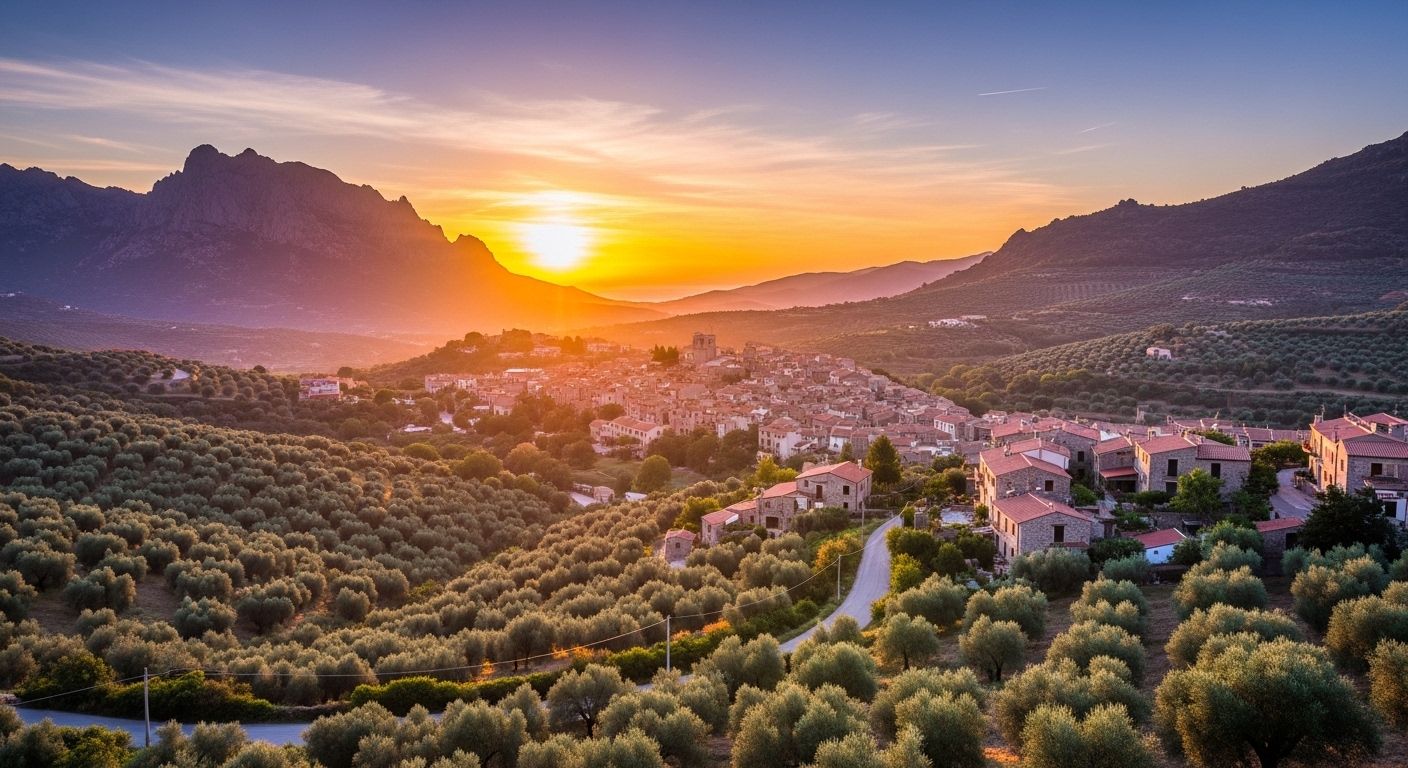
- Sardinia, Italy – Home to one of the highest concentrations of male centenarians in the world, thanks to family ties, red wine, and mountain walks.
- Nicoya Peninsula, Costa Rica – A place where daily social interactions, faith, and beans-and-corn-based diets keep people healthy.
- Ikaria, Greece – Famous for its relaxed pace, Mediterranean diet, and lack of chronic stress.
- Loma Linda, California, USA – A community of Seventh-day Adventists with strong spiritual habits, vegetarian diets, and an emphasis on rest.
These regions may differ in geography, religion, and culture — but they all share one core principle: balance. And that’s exactly what mindful Blue Zones tourism aims to respect.

The Rise of Blue Zones Tourism
In recent years, more travelers have become fascinated by the idea of “longevity travel.” Instead of chasing bucket-list landmarks or adrenaline rushes, people are looking for places that nurture the body and soul. But as media attention grows, so do the challenges: increased tourism can easily disrupt local life, traditions, and even food supplies. That’s why ethical travel practices are essential.
So, what’s drawing people to these regions? It’s not just the beauty or the beaches — it’s the way of life. People come seeking inspiration, hoping to bring home lessons about food, connection, and peace. Some join retreats focused on plant-based cooking or yoga, while others simply rent a bike and ride through olive groves or coastal towns, chatting with locals.
How to Visit Blue Zones Respectfully
Respectful Blue Zones tourism starts long before you book a ticket. Here are practical ways to explore these special regions while keeping their spirit intact:
- 1. Travel Slow. Avoid rushing through multiple Blue Zones on one trip. Choose one and spend quality time understanding it — the people, food, and rhythms of daily life.
- 2. Support Local. Stay in family-run accommodations, eat in locally owned restaurants, and buy handmade goods instead of mass-produced souvenirs.
- 3. Be Curious, Not Intrusive. Ask questions respectfully. Many centenarians enjoy sharing their stories, but it’s important to remember you’re a guest, not an investigator.
- 4. Eat What They Eat. Try to enjoy traditional meals the way locals do. In Okinawa, that might mean purple sweet potatoes and miso soup. In Sardinia, lentil stews and homemade bread.
- 5. Learn Some Language. Even simple greetings or thank-yous go a long way in showing respect and appreciation.
- 6. Walk or Bike. Part of what keeps residents healthy is their active lifestyle. Skip the car when you can and explore the area as they do — slowly and mindfully.
What You’ll Learn From Spending Time in a Blue Zone
Visiting a Blue Zone isn’t just about observing — it’s about absorbing. You’ll notice how life flows differently. There’s no rush to “get things done,” but rather an emphasis on enjoying each moment fully. Mealtimes are long, laughter-filled affairs, and even strangers are treated with warmth. You might ask yourself: why don’t we live like this at home?
Many travelers leave Blue Zones not just relaxed, but transformed. They start cooking simpler meals, walking more, and rethinking what it means to live well. These communities remind us that longevity isn’t about luxury — it’s about connection.
Challenges of Blue Zones Tourism
As beautiful as this kind of travel sounds, it’s not without challenges. Some regions have seen rising property costs and overcrowding due to sudden popularity. When an area becomes trendy, locals can be priced out or cultural practices commercialized. The key is balance — promoting Blue Zones tourism in ways that preserve authenticity while benefiting residents.
Responsible travelers can make a difference by booking locally, avoiding “Instagram-only” itineraries, and focusing on meaningful exchanges rather than photo ops.
Alternatives to the Original Blue Zones
Want to experience the Blue Zone lifestyle but avoid crowds? You’re not alone. Many lesser-known destinations offer similar longevity lessons — without the heavy tourist footprint.
- Hunza Valley, Pakistan – Known for long-living mountain communities who thrive on apricots, grains, and glacier water.
- Abkhazia, Georgia – A region where daily physical activity and natural diets contribute to notable lifespans.
- Vilcabamba, Ecuador – Nicknamed the “Valley of Longevity” for its healthy lifestyle and natural surroundings.
- Sikinos, Greece – A quieter Cycladic island where you can live the slow Greek way without crowds.

These “unofficial” Blue Zones give you the same sense of peace and wellness — but with fewer travelers and more intimate encounters.
How to Bring Blue Zone Habits Home
After experiencing Blue Zones tourism, you might find yourself inspired to make small life changes. And that’s the real beauty of it — you don’t have to live in Sardinia or Okinawa to benefit from their wisdom. Try incorporating these habits into your routine:
- Eat more plants and fewer processed foods.
- Walk daily and find movement you enjoy.
- Build strong friendships and make time for loved ones.
- Find your “ikigai” — your purpose.
- Take time to rest, reflect, and be grateful.
These lessons may sound simple, but they can transform the way you live — and travel.
So, what do you think — would you consider planning a trip focused on longevity and lifestyle rather than landmarks? Which of the Blue Zones would you visit first, and what draws you most: the food, the people, or the peaceful pace of life? We’d love to hear your thoughts in the comments below!
As global travelers, we have a responsibility to travel gently and learn deeply. Blue Zones tourism isn’t about checking off another destination — it’s about reconnecting with what makes life meaningful. If this post inspired you, don’t forget to follow us on our social media platforms for more travel stories, slow adventures, and meaningful destinations.
Catch up on the top stories and travel deals by subscribing to our newsletter!