
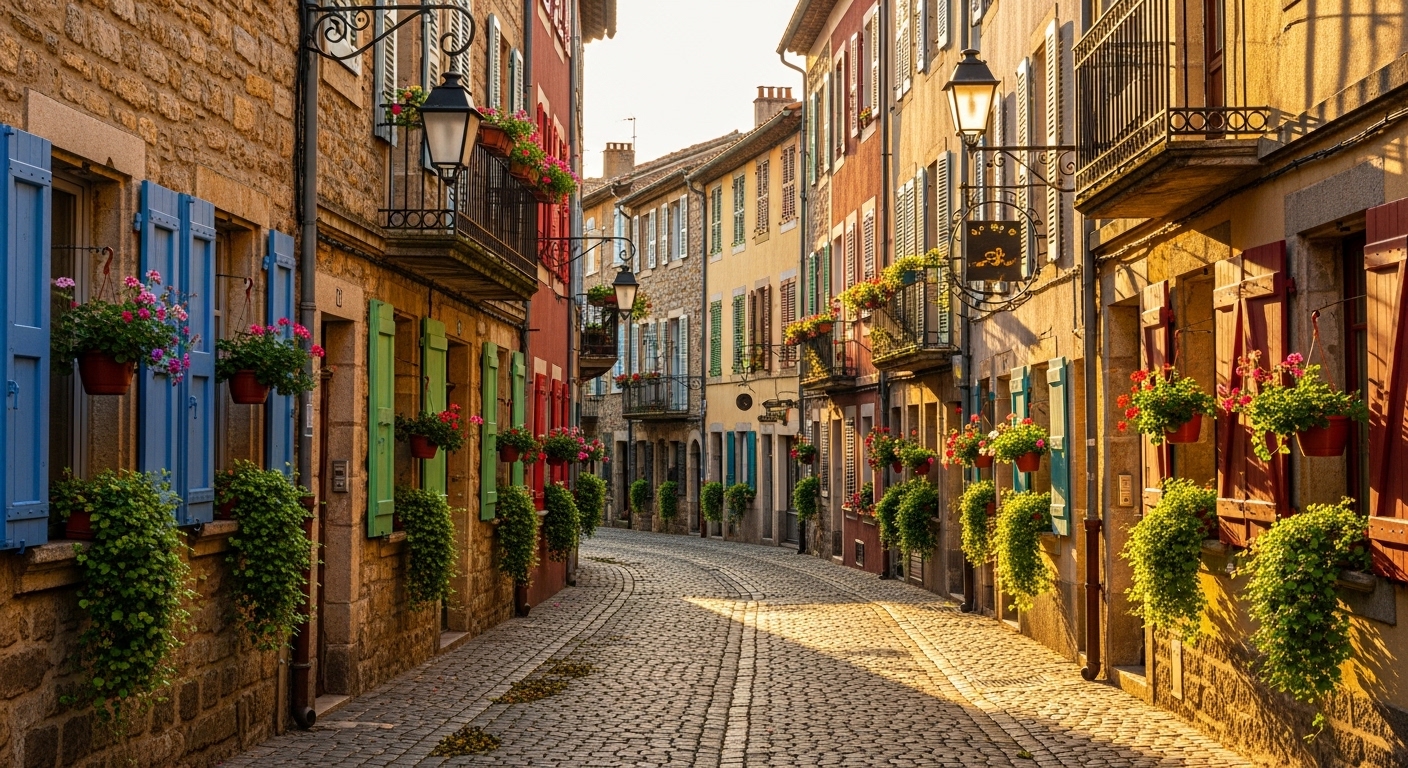
Historic districts hold stories hidden in cobblestones, centuries-old buildings, and the quiet rhythm of local life. But what if you want to explore them without joining a formal tour? Is it possible to soak up history, culture, and charm on your own, without a guide leading the way? The answer is yes — and it can be even more rewarding.
Wandering through historic districts without tours allows you to set your own pace, follow your curiosity, and stumble upon experiences that a structured itinerary might miss. From alleyway cafés to forgotten murals, these districts are full of surprises. If you’ve ever felt restricted by tour schedules or crowds, independent exploration could be your perfect solution. So how do you do it safely and meaningfully?
Start With a Plan, But Leave Room for Serendipity
Even without a tour, preparation is key. Research the district beforehand using resources like Lonely Planet or local travel blogs. Identify a few “must-see” landmarks, such as historic plazas, churches, or iconic streets. But leave gaps in your schedule for wandering — the charm of historic districts often lies in the unexpected.
Maps, both digital and paper, are your friends. Use apps to mark spots you want to visit, but resist the urge to follow them rigidly. Exploring without tours is about feeling your way through history, noticing small details, and discovering stories that aren’t always written in guidebooks. Have you ever found a hidden gem simply by turning a corner?
Use Technology Wisely
Even when skipping guided tours, technology can enhance your experience. Audio guides and history apps like GetYourGuide or Duolingo Travel Stories allow you to listen to historical context while remaining independent. QR codes on plaques or buildings can reveal fascinating insights about architecture, events, and local figures without forcing a group experience.
Be mindful of balancing tech with immersion. Sometimes the best discoveries happen when you look up from your phone and observe the cobblestones, the shutters, or the way light falls on an old façade. How often do we rush through history instead of truly seeing it?
Talk to Locals
Historic districts are alive with residents who carry stories of their neighborhoods. Strike up conversations with café owners, shopkeepers, or artists. Ask for recommendations for little-known spots, local eateries, or traditional events. These conversations often reveal hidden corners and experiences that tours cannot offer.
Some of the most memorable visits come from casual encounters. For example, a local baker might show you a centuries-old recipe, or a street artist might explain the meaning behind murals. These moments create a deeper connection with the place. Have you ever felt a place truly “come alive” because of a local’s story?

Time Your Visit Carefully
Historic districts often feel different depending on the time of day. Early mornings are perfect for quiet streets and photography without crowds. Late afternoons bring a golden glow to façades, while evenings may offer cultural events or local music. By exploring without tours, you have the freedom to experience multiple moods of the district in one day.
Consider weekdays over weekends, if possible. Tourist-heavy times can obscure the authentic atmosphere. Remember, the beauty of independent exploration lies in absorbing the essence of the district at your own pace.
Engage All Your Senses
While tours focus on visuals and structured information, exploring on your own allows for a full sensory experience. Listen to the chatter of locals, the bells of ancient churches, or the rustle of leaves along a historic avenue. Smell fresh bread from a local bakery, spices at a market, or the sea breeze if your district is coastal. Taste local delicacies you might otherwise miss.
Paying attention to these details transforms your visit from a checklist into a memory etched with experiences. Have you ever noticed that the scent or sound of a place stays longer in your memory than its pictures?
Photography and Journaling
Documenting your journey enhances your connection to the district. Take photos not just of landmarks, but of street corners, windows, and textures that capture the spirit of the area. Keep a journal of your impressions, sketches, or even snippets of conversations with locals. These notes will turn into stories you can revisit long after your trip.
Unlike structured tours, where photography may feel rushed, independent exploration allows for thoughtful documentation. You can return to a spot multiple times in one day, catching different lights and shadows.
Respect the Community and Heritage
While exploring independently, always be mindful of the local community and historical sites. Stick to public paths, avoid trespassing, and support local businesses. Remember, your visit should not only enrich your experience but also contribute positively to the preservation of the district. Organizations like ICOMOS provide guidance on responsible cultural tourism.
Simple gestures like buying a coffee from a neighborhood café or attending a local event help maintain the district’s vibrancy. Have you ever felt more connected to a place after supporting its locals?

Combine Independent Exploration With Mini-Guides
If you’re hesitant about going completely solo, consider combining your independent exploration with small-scale resources. Local guidebooks, podcasts, and cultural centers offer insights without the restrictions of a tour. This hybrid approach provides context while still giving you freedom to wander.
For instance, you can follow a map highlighting historical sites in Montmartre, Paris, but take side streets when something catches your eye. Perhaps a mural, an artisan’s shop, or a quiet courtyard draws you in — experiences that no group itinerary could include.
Take Your Time
The greatest advantage of exploring historic districts without tours is time. You set the pace. There is no rush to move to the next site, no pressure to follow a schedule. This allows for reflection, photography, sketching, or simply sitting and observing daily life around you.
Historic districts are living museums. They tell their stories best when you let them unfold naturally. A slow pace gives you the chance to notice patterns, architecture, and moments that would otherwise go unnoticed. Have you ever discovered beauty in the small details?
Final Thoughts
Exploring historic districts without tours is more than a travel choice — it’s a mindset. It invites curiosity, patience, and openness to authentic experiences. It encourages interaction with locals, thoughtful observation, and personal storytelling. By following these tips, you can create meaningful, memorable adventures that reflect the spirit of the district rather than just checking off a list.
So next time you plan to wander through a historic area, skip the tour for a day and embrace independent exploration. Listen, observe, and feel the heartbeat of the district as it reveals itself to you. What hidden corners will you discover? What stories will you bring home?
We’d love to hear your experiences. Have you ever explored a historic district on your own? Share your stories and tips in the comments below! And if you love discovering travel secrets and authentic adventures, follow WentWorld.com on our social media platforms for more inspiration.
Catch up on the top stories and travel deals by subscribing to our newsletter!










Leave a Reply
You must be logged in to post a comment.