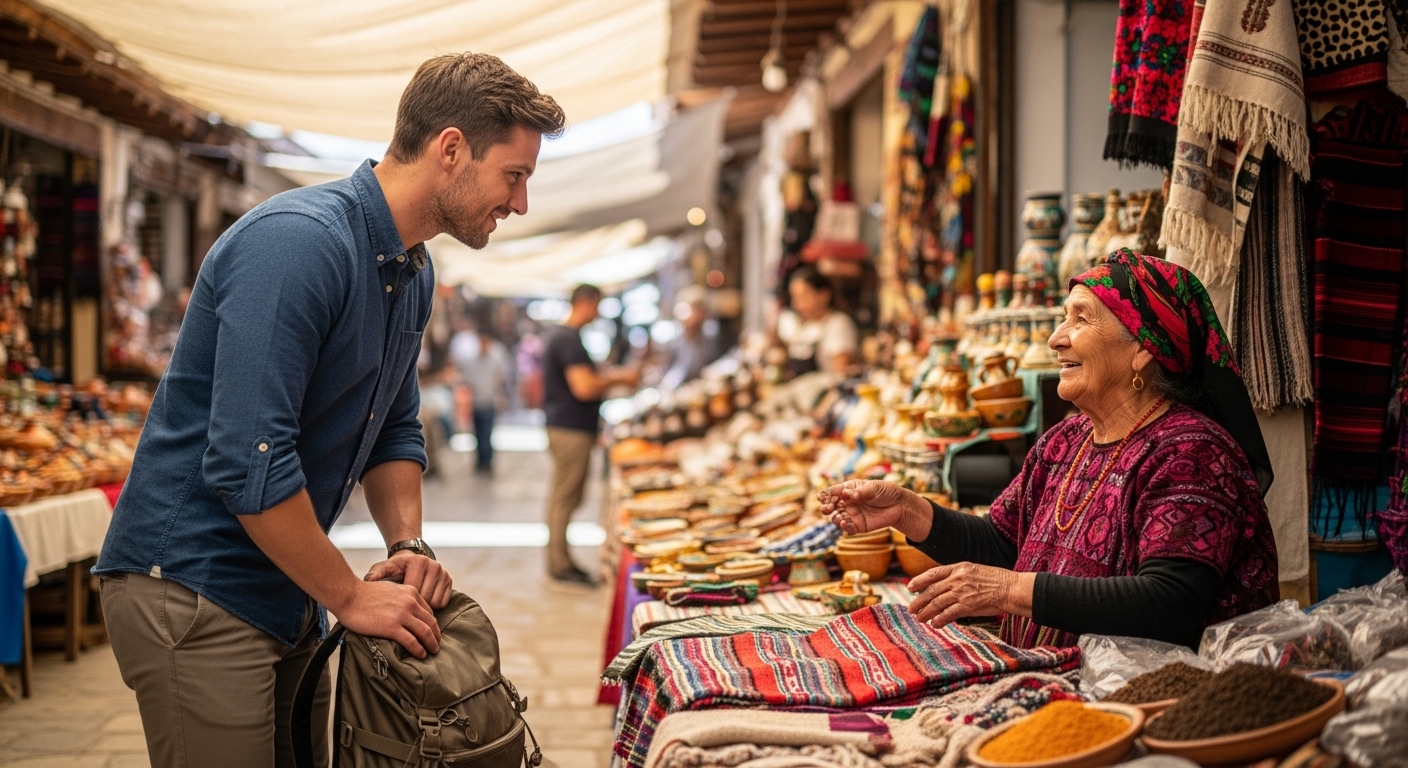
One of the most beautiful parts of traveling is connecting with cultures different from your own. Every country, every community, and every person you meet carries stories, traditions, and ways of life that can expand your perspective. But here’s the challenge—how do you express curiosity about a culture without coming across as intrusive or disrespectful?
In our increasingly globalized world, cultural curiosity is a wonderful trait. It helps you learn, grow, and form genuine connections while traveling. But when handled carelessly, curiosity can unintentionally cross boundaries or offend locals. That’s why learning how to handle cultural curiosity as a respectful traveler is one of the most valuable skills any modern adventurer can have.
Let’s explore how to engage with cultures in a way that honors them—where curiosity meets respect, and learning becomes mutual understanding.
Why Cultural Curiosity Matters
When you visit a new country, everything feels fascinating—languages, food, clothing, gestures, art, traditions. You might find yourself asking endless questions, snapping photos, or trying to mimic local customs. This excitement is natural! Curiosity shows interest, but the key is in how you express it.
Being curious helps break down stereotypes and fosters empathy. It reminds us that the world isn’t divided by borders—it’s united by shared humanity. However, when curiosity turns into judgment, mockery, or unwanted invasion of personal or sacred spaces, it stops being a bridge and starts becoming a barrier.
Step 1: Observe Before You Ask
When you enter a new cultural environment, take a moment to observe before you engage. Watch how locals interact, dress, greet, or pray. Notice how they communicate and move through public spaces. Sometimes, observation itself can teach you more than questions ever could.
For example, in Japan, silence often represents respect. In contrast, in Latin American cultures, warmth and expressiveness are valued. Observing these differences helps you approach interactions with sensitivity. Remember, curiosity is valuable—but awareness is essential.
Step 2: Ask Thoughtful, Respectful Questions
It’s completely okay to ask questions about another culture, but make sure they come from a place of genuine interest rather than comparison or surprise. Instead of saying, “Why do you do it that way?” try asking, “That’s interesting—can you tell me more about this tradition?” The wording makes a huge difference.
People love sharing their culture when they feel respected, not judged. So, avoid framing questions that imply something is strange or inferior. Ask with humility and gratitude for the chance to learn.
Step 3: Understand the Difference Between Appreciation and Appropriation
There’s a fine line between appreciating a culture and appropriating it. Appreciation means showing admiration and respect—trying a local dish, wearing traditional clothing appropriately, or learning a cultural dance under guidance. Appropriation, on the other hand, means using cultural symbols or traditions without understanding their meaning or significance, often for personal gain or aesthetics.
Before you participate in a custom or wear cultural attire, ask yourself: “Am I honoring this culture or using it as decoration?” If you’re unsure, ask a local for guidance. Most will appreciate your honesty and effort to be respectful.

Step 4: Be Mindful of Sacred Spaces and Practices
When visiting temples, mosques, churches, or indigenous sites, remember that these are not tourist attractions—they’re places of deep spiritual and cultural significance. Follow the posted rules: dress modestly, remove shoes if required, avoid taking flash photography, and remain quiet during prayers or ceremonies.
One of the most respectful things you can do is learn the basic etiquette of religious spaces before visiting. That little bit of research goes a long way toward showing genuine respect and cultural understanding.
Step 5: Learn a Few Local Words and Gestures
Even if you can’t speak the language fluently, learning a few words like “hello,” “thank you,” and “please” shows effort and respect. People appreciate when travelers try to connect in their language—it’s a small gesture that can create big smiles.
But be careful with gestures. A thumbs-up might mean “good job” in one country but be offensive in another. A quick online check before your trip can save you from awkward moments or unintentional disrespect.
Step 6: Always Ask Before Taking Photos
In many cultures, taking someone’s picture without permission can feel intrusive. Whether it’s a street performer, an elderly local, or a religious ceremony, always ask first. If language is a barrier, use nonverbal gestures to indicate your intent. If they refuse, smile and move on—it’s about respecting boundaries.
Similarly, be cautious about taking photos in sacred or government areas where cameras are restricted. Remember, some experiences are meant to be lived, not captured.
Step 7: Accept That You Won’t Understand Everything
Every culture has layers of history, emotion, and meaning that can’t be fully understood in a short visit. And that’s okay. You don’t need to “get” everything to show respect. Sometimes the most polite response is to simply listen and appreciate without analyzing or comparing.
Ask yourself: “Am I here to prove a point or to learn something new?” If it’s the latter, you’re already being a respectful traveler.
Step 8: Reflect on Your Own Cultural Lens
When you travel, you don’t just bring your suitcase—you bring your worldview, values, and habits. Being aware of your own cultural background helps you recognize biases or assumptions that might shape your perspective. For example, Western travelers may prioritize punctuality, while others value flexibility and flow.
Recognizing your own lens allows you to engage with humility rather than superiority. Remember, travel isn’t about confirming your worldview—it’s about expanding it.
Step 9: Practice Empathy in Every Interaction
Empathy is the heartbeat of respectful travel. It’s about putting yourself in someone else’s shoes and seeing the world through their eyes. Whether it’s a taxi driver, a street vendor, or a host family, treat every interaction with kindness and patience.
Sometimes a simple smile can transcend language barriers. Other times, listening to someone’s story can reveal a whole new understanding of a culture. Every person you meet is a teacher if you’re willing to learn.
Step 10: Keep Learning Even After You Leave
Respectful travel doesn’t end when your trip does. Keep exploring the culture through books, documentaries, and online communities. Follow local creators, writers, and photographers from the places you’ve visited. This keeps your curiosity alive and deepens your understanding long after you’ve returned home.

And when you share your travel stories, focus on accuracy and empathy. Avoid stereotyping or exaggerating cultural behaviors for entertainment. Be the kind of storyteller who honors the people behind the places.
When Curiosity Becomes Connection
The magic of travel lies not just in seeing new places but in connecting with people from different walks of life. When you handle curiosity with care, you turn strangers into friends and experiences into lifelong lessons. It’s not about being perfect—it’s about being present and respectful.
Imagine sitting in a small café in Morocco, learning about local spices from a chef who’s been cooking for generations. Or listening to a street musician in Ireland talk about folk songs passed down through centuries. These moments are what make travel truly meaningful.
At its core, learning how to handle cultural curiosity as a respectful traveler means balancing wonder with wisdom. Ask questions, listen more than you speak, and approach every culture as a guest, not a judge. When curiosity is rooted in compassion, travel becomes more than sightseeing—it becomes soul-seeing.
So next time you travel, slow down, observe, and connect with an open heart. You’ll be amazed at how much more the world reveals when you explore it respectfully.
Now we’d love to hear from you! Have you ever had a meaningful cultural exchange while traveling? How do you make sure your curiosity stays respectful? Share your thoughts in the comments—we’d love to feature your insights in our next post! And don’t forget to follow us on our social media platforms for more on How to Handle Cultural Curiosity as a Respectful Traveler.
Catch up on the top stories and travel deals by subscribing to our newsletter!