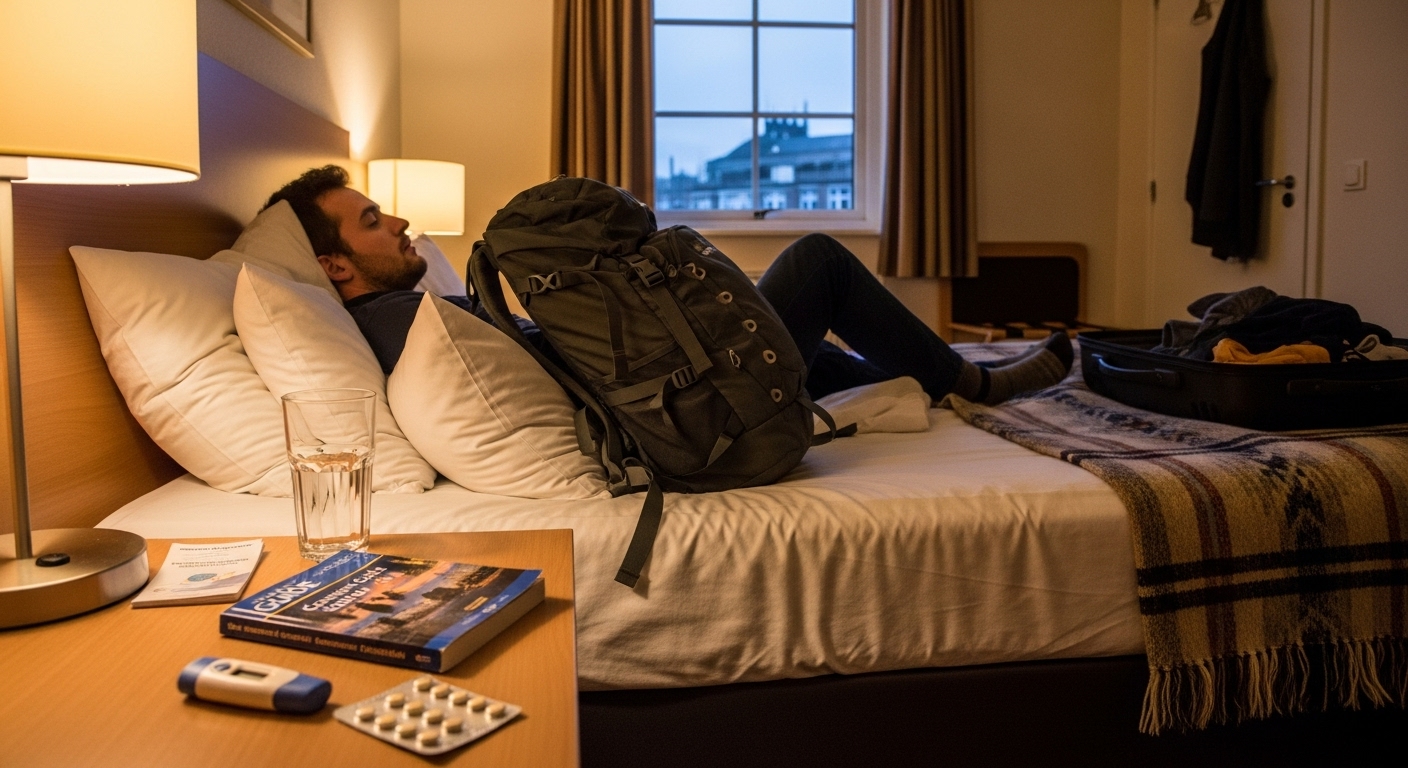
Traveling abroad is an exciting adventure, full of new experiences, cultures, and memories. But sometimes, even the most prepared travelers face the unexpected: falling sick while away from home. Getting sick abroad can be stressful, confusing, and even frightening. That’s why knowing how to handle getting sick while abroad and being prepared in advance can save your trip, your health, and your peace of mind.
Recognize the Signs Early
When you’re in a new country, your body may react differently to local foods, climate, or even the stress of travel. Recognizing early signs of illness is crucial. Headaches, fatigue, upset stomach, or mild fever may be indicators that your body is under stress. Ignoring these symptoms can lead to more severe illness. Ask yourself: Are you feeling unusually tired or unwell? Are there any new symptoms you haven’t experienced before? Read below on How to handle getting sick while abroad.
Pack a Travel Health Kit
Preparation is your first line of defense. A compact travel health kit can make all the difference. Include items such as:
- Basic medications for headaches, fever, and digestive issues
- Thermometer
- Electrolyte powders or rehydration solutions
- Bandages and antiseptic wipes
- Prescription medications in sufficient quantity
Having these essentials handy allows you to act immediately if you start feeling unwell, reducing the chance that a minor illness turns into a major problem. What items do you always include in your travel health kit? Share your must-haves!

Know the Local Healthcare System
Before traveling, research the healthcare system of your destination. Find out the location of nearby clinics, hospitals, and pharmacies. Check if your travel insurance covers local medical expenses. Understanding the system can save you time and stress if you need urgent care. Make a small list of emergency contacts, including:
- Local hospitals
- Pharmacies
- Emergency numbers
- Embassy contact (for severe cases)
Travel Insurance: Don’t Leave Home Without It
One of the most important steps in being prepared is securing comprehensive travel insurance. A good policy covers:
- Emergency medical treatment
- Hospital stays
- Medical evacuation if necessary
- Trip interruptions due to illness
Traveling without insurance is risky. Imagine being in a country where medical costs are exorbitant and having no coverage. The stress alone can worsen your condition. Have you ever faced medical emergencies abroad? How did you handle them? Your experience could help other travelers prepare.
Stay Hydrated and Eat Safely
One of the easiest ways to prevent illness while traveling is to stay hydrated and eat safely. Drinking bottled water, avoiding ice from uncertain sources, and being mindful of street food can prevent common stomach illnesses. Always wash your hands before meals and carry a small hand sanitizer for convenience.
Rest and Listen to Your Body
Traveling often encourages us to overexert ourselves, especially when excited about new destinations. If you feel the onset of sickness, prioritize rest. Even a short nap can help your immune system recover. Ask yourself: Is sightseeing more important than your health right now? Often, slowing down is the smartest travel strategy.
When to Seek Medical Attention
Not every illness requires a hospital visit, but some symptoms are serious and demand immediate care. Seek medical attention if you experience:
- High fever
- Severe dehydration
- Persistent vomiting or diarrhea
- Difficulty breathing or chest pain
- Serious allergic reactions
Being aware of red flags ensures you don’t wait too long and risk complications. Remember, your health is the priority over any travel itinerary.
Communicate Clearly in a Foreign Country
Language barriers can complicate medical care abroad. Learn key medical phrases in the local language or keep a translation app ready. A simple translation card stating allergies, medical conditions, and medications can save precious time. Have you tried using translation apps during a health emergency abroad? Which one worked best for you?
Leverage Technology and Online Resources
Telemedicine is becoming increasingly available worldwide. Even if you’re in a remote location, online consultations can help you diagnose issues and receive guidance from professionals. Apps and platforms that connect you with local doctors or travel health consultants can be a lifesaver.
Stay Mentally Prepared
Falling sick while abroad is not just physically challenging—it’s mentally taxing. Anxiety and stress can worsen symptoms. Stay calm, reach out to friends or family for support, and focus on recovery. Journaling or light meditation can also help you maintain a positive mindset while your body heals.
Preventive Measures Before Traveling
Prevention is always better than cure. Before leaving home, consider:
- Getting recommended vaccinations for your destination
- Bringing a small first aid kit
- Researching food and water safety tips
- Knowing local customs regarding healthcare
These small steps can drastically reduce the chances of getting sick abroad. What preventive measures do you take before traveling? Your tips could help fellow travelers stay safe and healthy.
Travel Companions and Support Systems
If you’re traveling with others, communicate your health needs. Companions can help monitor symptoms, pick up medications, or provide moral support. Traveling alone? Stay in accommodations with accessible medical facilities nearby and inform local staff if you’re unwell.
Recovering and Returning Home
Once you’re back home, ensure you follow up on your health. Some illnesses may have delayed symptoms, or you may need a check-up after exposure abroad. Maintaining records of any treatment you received while traveling can help your home healthcare provider understand your condition better.
Key Takeaways
Traveling should be a joyful experience, not overshadowed by unexpected illness. By understanding how to handle getting sick while abroad and taking preventive measures, you can protect your health and enjoy your trip with confidence. Remember:
- Recognize symptoms early
- Pack a travel health kit
- Know the local healthcare system
- Have travel insurance
- Eat safely and stay hydrated
- Rest and prioritize your health
- Seek medical attention when necessary
- Communicate clearly despite language barriers
- Use technology for medical guidance
- Stay mentally prepared and supported
We’d love to hear from you! Have you ever fallen sick abroad? How did you handle it? Share your experiences in the comments below. And don’t forget to follow us on our social media platforms for more travel tips, guides, and health advice while exploring the world!
Catch up on the top stories and travel deals by subscribing to our newsletter!