Planning travel around landmarks is common—but what about designing a trip solely around the cuisine? We’re diving into how to plan a trip entirely based on food, making every meal the highlight. Whether you’re craving street food, wine trails, or Michelin moves, this approach transforms travel into a culinary adventure. In this guide, we’ll explore how to map routes by flavor, choose the best time to visit, find hidden gems, balance indulgence, and eat your way into unforgettable memories.
We’ll feature examples from classic food capitals like Tokyo and Lyon, emerging food destinations like Lima and Tbilisi, and hidden gastronomic villages. You’ll learn how to discover iconic dishes, book cooking experiences, budget for indulgence, and stay healthy during eating marathons. Ready for a delicious journey? Let’s dig in.
Why Plan a Trip Entirely Based on Food?
When you travel by taste, every day becomes a story told through aroma and flavor. Food connects us to locals, history, and agriculture. A dish carries cultural meaning—through ingredients, preparation methods, and the way it’s shared. Planning a trip entirely based on food turns you into a cultural detective, following flavor threads that reveal deeper context and connection.
Plus, food-focused travel removes most planning guesswork. Your itinerary is built around meals, not museums or museums. Early wake-ups to buy fresh pastries? Yes. Street-food markets lit by lanterns? Absolutely. Late-night ramen hunts or olive oil tastings? Bring it on. This type of travel feels intuitive—it’s always delicious.
Step 1: Define Your Taste Goals
Start by listing what excites you. Are you all about spice, sweets, or sour notes? Do you want to drink craft beer, wine, or specialty coffee? You might want to chase street tacos, dumplings, or artisan cheese. This list becomes your compass—steering train routes, city selections, and accommodation.
Example goals include:
- Eat five regional versions of dumplings across Eastern Europe.
- Take a wine-and-olive oil tasting tour in Sicily.
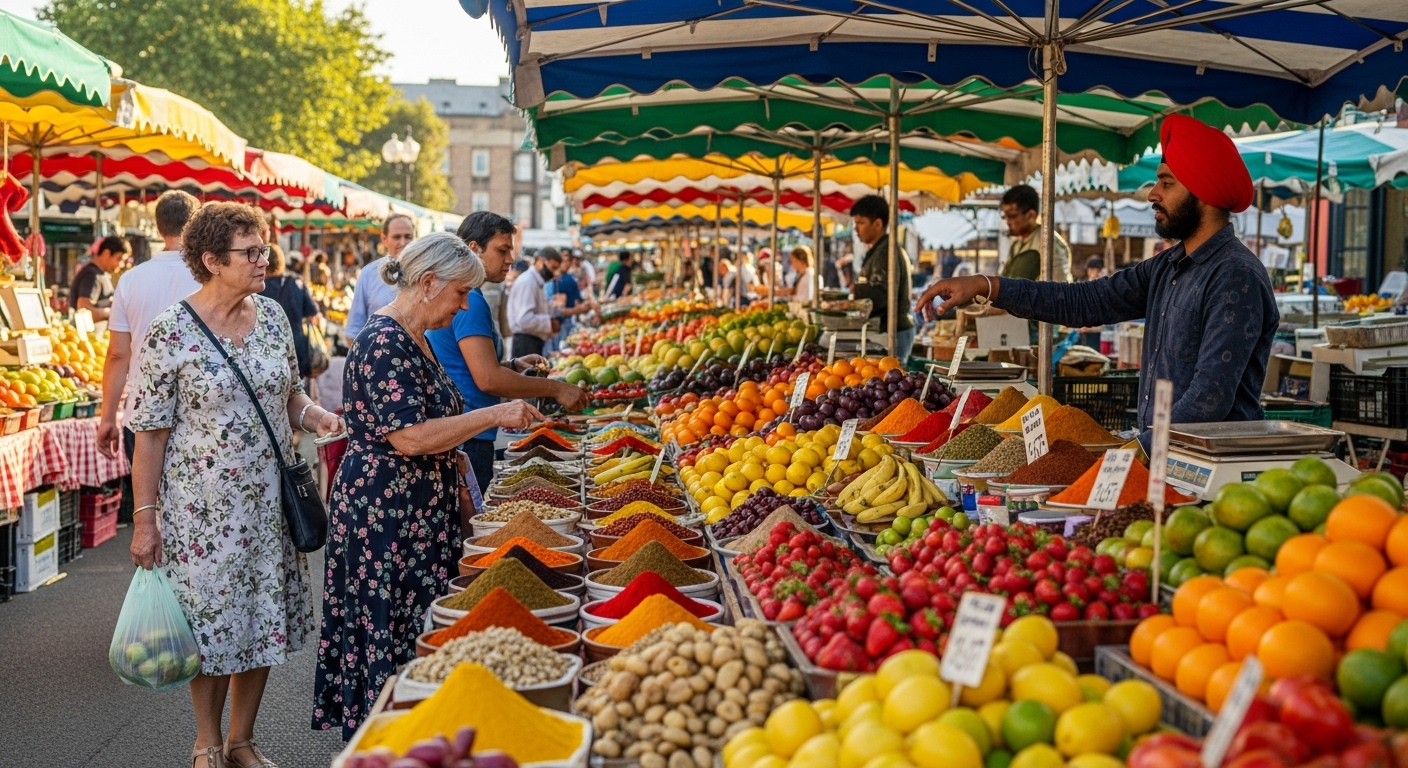
- Street-food crawl through Indian spice markets.
- Farm-to-table dining in California’s wine country.
With goals in place, your route emerges naturally—food is your guide.
Step 2: Choose Destinations Flavorfully
Every region has standout dishes. Linking your food goals to places gives meaning. For example:
- Japan: Tokyo for sushi, Osaka for okonomiyaki, Fukuoka for tonkotsu ramen.
- Peru: Lima for ceviche, Arequipa for rocoto relleno, Cusco for corn-based snacks.
- Italy: Naples for pizza, Bologna for Bolognese and mortadella, Sicily for cannoli and arancini.
- Morocco: Marrakech for souks with spices, Fes for tagine, Essaouira for seafood and grilled fish.
- California: Sonoma and Napa for wine, Santa Barbara for seafood, Fresno for farm-fresh produce.
This is how to plan a trip entirely based on food—and ensure each stop delivers a sensory payoff.
Step 3: Pick Your Timing
Season matters. If you want truffles in Piedmont, travel in November. For cherry blossoms and sushi festivals in Japan, aim for spring. In Mexico, plan around Day of the Dead to sample pan de muerto. To experience seasonal coffee harvests in Guatemala, follow the harvest calendar. Check official food festival schedules and produce season guides to align your dates with delicious moments.
Step 4: Do Ahead-of-Time Bookings
With well-defined food goals and destination dates, lock in experiences now:
- Culinary tours: Book a walking ramen tour in Tokyo or street food crawl in Bangkok.
- Winery or olive farm visits: Reserve ahead to guarantee tastings and harvest walks.
- Cooking classes: Whether it’s mole in Oaxaca or pasta in Umbria.
- Market tours: With chefs or farmers to uncover root-to-glass stories.
- Reservations at coveted restaurants: Like a Michelin-starred supper club.
Advance booking ensures your food goals are realized, not just hoped for.
Step 5: Map Your Eating Days
Once you have key experiences booked, build your day plan around them—meals, rest, and local exploration. Here’s a sample:
- Morning: Farmers’ market visit, coffee tasting, toast at a bakery.
- Noon: Street tacos at a stand busy with locals.
- Afternoon: Olive oil tasting followed by a light lunch.
- Evening: Cooking class or chef’s table reservation.
- Late night: Neighborhood bar tapas or dessert bar tasting.
Alternate big and small meals. Include breaks to walk, visit green spaces, or take naps—digestive rest is key.
Step 6: Track Your Food Journey
Use a journal or food app to record every bite. Note the dish name, restaurant, and personal flavor rating. Snap ingredient photos and note producers or farmers’ names. These visual and textual markers become your memory map—and learning tool for when you’re home or repeating the journey.
Step 7: Stay Healthy and Balanced
A food trip can get heavy fast. Incorporate these wellness anchors:
- Walk or bike between meals—exercise and exploration in one.
- Hydrate regularly. A sparkling water between tapas helps digestion.
- Mix splurge meals with lighter restaurant fare and vegetable-based dishes.
- Try local tea, fresh fruit, or probiotic drinks for gut health.
- Take a rest day mid-trip—rediscover the site rather than overeat again.
Step 8: Go Beyond Taste
The best food travel is also cultural travel. Go deeper:
- Visit fishermen early for shrimp hauls or farmers for olive picking.
- Chat with producers—ask about traditional methods.
- Record local recipes—ingredients and storytelling.
- Bring home seeds or memorabilia (check customs rules).

Step 9: Share and Extend
Once home, create a regional dinner night. Host a French cheese board evening or Peruvian ceviche party with notes and photos. Your trip becomes an ongoing taste memory shared with loved ones—and a way to support once-visited artisans.
Food-Centric Route Examples
Here are sample routes built around flavor goals:
Japan: Sushi to Sake Trail
Start in Tokyo for Edomae sushi and neighborhood izakayas. Travel to Kanazawa for seafood markets and sake breweries. End in Kyoto for kaiseki, tofu ryori, and green tea sweets.
Italy: Olive Oil & Pasta Crawl
Fly to Bari for orecchiette and fresh seafood. Then Umbria for truffle hunting, pastas, and wild mushroom dishes. Drive to Tuscany for olive oil tastings and Chianti vineyards.
Peru: Street to Summit Eating
Begin in Lima for ceviche and pisco sours. Head to Arequipa for pastel de choclo and rocoto relleno. Finish in Cusco, diving into corn drinks and highland grazing cheeses.

Making This Plan Work
- Budget for taste: Prioritize where splurging matters—fine dining or special tastings.
- Include culture days: Markets, ceramic workshops, street-art tours.
- Leave space: Some meals will be palm fruit stands or roadside omelets.
- Stay safe: Research food hygiene, drink bottled water, and use caution with street food if needed.
Planning around food isn’t about gluttony—it’s about curiosity, story‑telling, and living a place through its flavors. When you learn how to plan a trip entirely based on food, you’re designing a journey that’s deliciously purposeful. So start dreaming, map your bites, and let your taste lead the way.
We’d love to hear your most memorable food-based trip or local dish. Drop your story in the comments, and follow our social channels for more travel-by-taste adventures.
Catch up on the top stories and travel deals by subscribing to our newsletter!