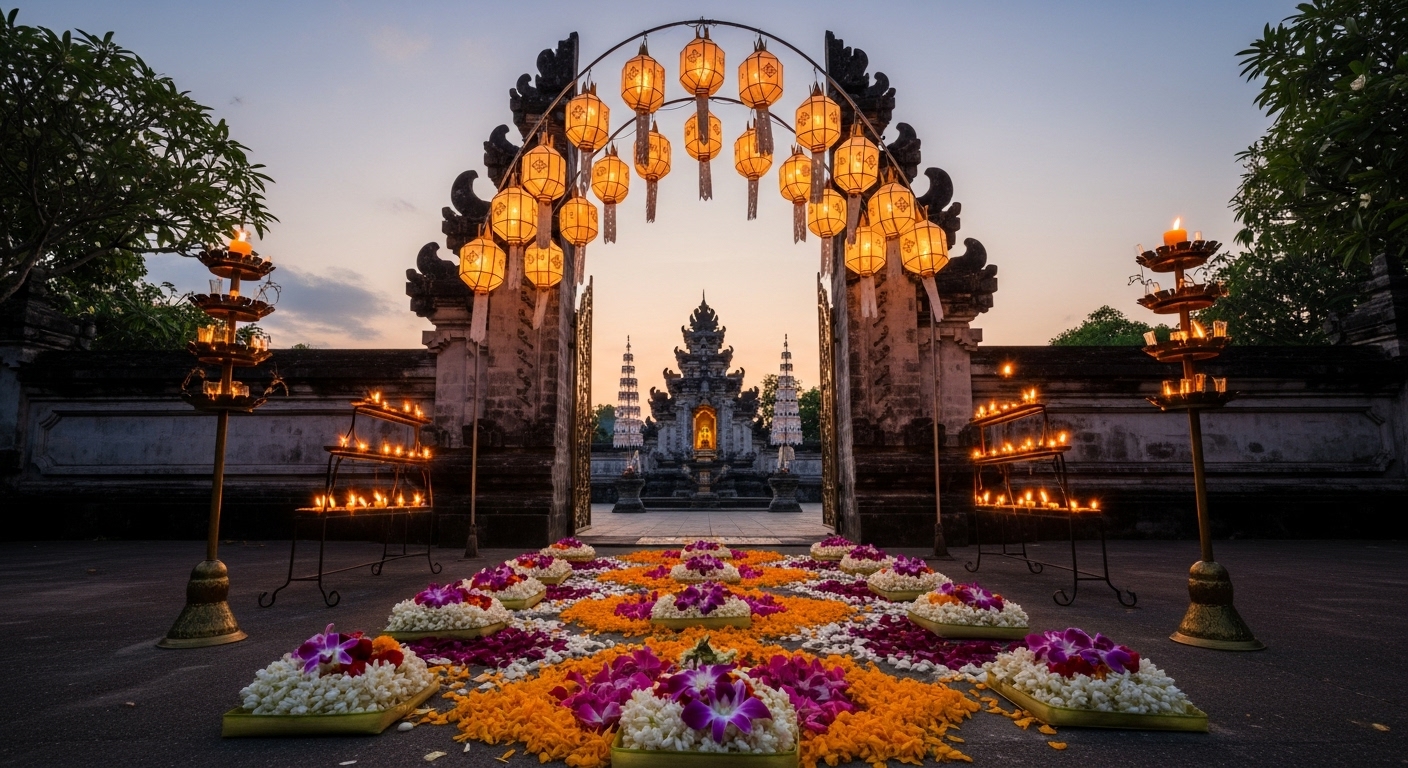
Participating in spiritual ceremonies while traveling can deepen your understanding of local culture, belief, and tradition—if approached with sensitivity. In this guide, we’ll outline how to experience these practices respectfully, ethically, and meaningfully. You’ll learn what research to do, how to behave, what to wear, what to say, and how to reflect afterward. By engaging with intention, your visit transforms from tourism into connection.
We begin with how to research and request permission. Afterwards, we break down respectful presence, appropriate dress, interaction guidelines, ethical contribution, and emotional processing. Each section includes thoughtful insights, real-world examples, and the respectful mindset that guides meaningful cultural exchange.
1. Begin with Intentional Research and Requests
Your journey starts long before the ceremony. First, identify the nature of the spiritual ceremonies you hope to attend—whether Hindu puja, Buddhist Blessing, Native American sweat lodge, or Sufi zikr. Then, research their cultural and religious significance. Use trustworthy sources: books, academic articles, and reputable cultural organizations. Reach out—ideally via local guides or community contacts—to express genuine interest and ask permission well in advance. This initial step shows respect and ensures your visit is appropriate and welcomed.
2. Understanding the Cultural and Spiritual Context
Before arriving at the ceremony, learn basic terms, symbols, and prayers that matter to the community. For example, if attending a Balinese purification, understand the concept of “melukat” and respect water sanctity. Learn a simple greeting in the local language—like “Namaste” or “Salam”—and use it upon arrival. Acknowledging rituals’ deeper meaning enhances your presence and prevents missteps like entering restricted zones or accidentally disrupting offerings.
3. Dress Modestly and Align with Local Norms
Clothing is a key expression of respect. In many traditions, shoulders and legs must be covered; women often need scarves and men should avoid shorts. In some cultural fireside ceremonies, barefoot etiquette applies. When in doubt, bring a shawl, sarong, or long sleeves. White clothing is favored in some rituals for purity; in others, bright colors may distract. Observe beforehand: follow how participating pilgrims are dressed and mirror that soberly.
4. Arrive Early and Observe the Ritual Flow
A respectful visitor arrives quietly before the ceremony begins. Begin by observing—note seating hierarchy, who enters first, how leaders move. Avoid sitting in high-status areas or cross legs if locals don’t. Listen to ambient rituals—chants, scripture recitals, bells—and let the environment guide you. Avoid disrupting flow with sudden movements or phone use. Instead, breathe deeply, listen attentively, and allow yourself to soak in the atmosphere.
5. Engage Mindfully When Interaction Is Allowed
Some ceremonies welcome minimal interaction—like receiving holy water, tying a wrist thread, or sharing communal rice. In those moments, receive with gratitude, using both hands if customary. Avoid asking too many questions mid-ritual; you can reflect afterwards. If spoken responses are expected—like “peace be with you”—learn these phrases in advance. Offer a quiet nod or bow when it’s time. Following subtle cues shows respect and lets you engage without disturbance.
6. Offer Appropriate Gifts or Donations
Many hosts appreciate small offerings—especially when ceremonies depend on community support. Allow modest donations—such as flowers, fresh fruit, or a small cash contribution placed discreetly. If catering is served, offer politely to help or tidy up afterward. Avoid giving flashy items, tourist trinkets, or unsolicited gifts. Your contribution should reflect respect, not seek attention. Including your support responsibly shows appreciation for hospitality and cultural continuity.

7. Maintain Quiet Reflection and Lines of Respect
After the ceremony, allow time for quiet reflection. Step aside to breathe, journal, or capture your impressions. Avoid immediately sharing loudly or social media posting. Instead, ask hosts if photos are appropriate—some ceremonies are sacred and private. When departing, offer a sincere “thank you” in the local language, or lightly bow. Small gestures of appreciation build mutual respect and leave a positive impression.
8. Carry the Experience Forward with Gratitude
Returning home, don’t treat your visit as a souvenir. Integrate what you learned—through daily rituals, meditation, mindful presence, or ongoing support for the community (donations or volunteering). Reflect on how the experience shaped your worldview. If possible, stay connected with local cultural groups online or through local festivals. That continuity honors both the ceremony’s legacy and your role as a respectful visitor.
Visiting spiritual ceremonies with respect and mindfulness deepens your cultural understanding and personal growth. Your presence can honor traditions rather than consume them. Have you attended a spiritual ceremony abroad? Please share your experience or ask questions—we love hearing stories of thoughtful cultural immersion. And follow us for more mindful travel and respectful adventure insights.
Catch up on the top stories and travel deals by subscribing to our newsletter!