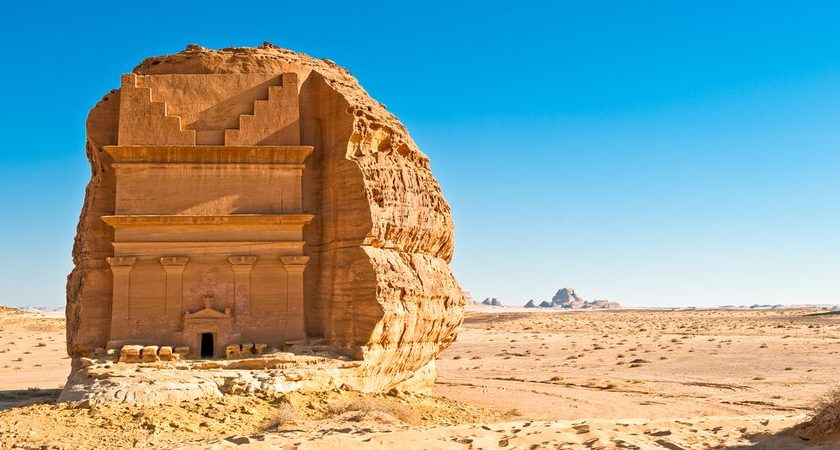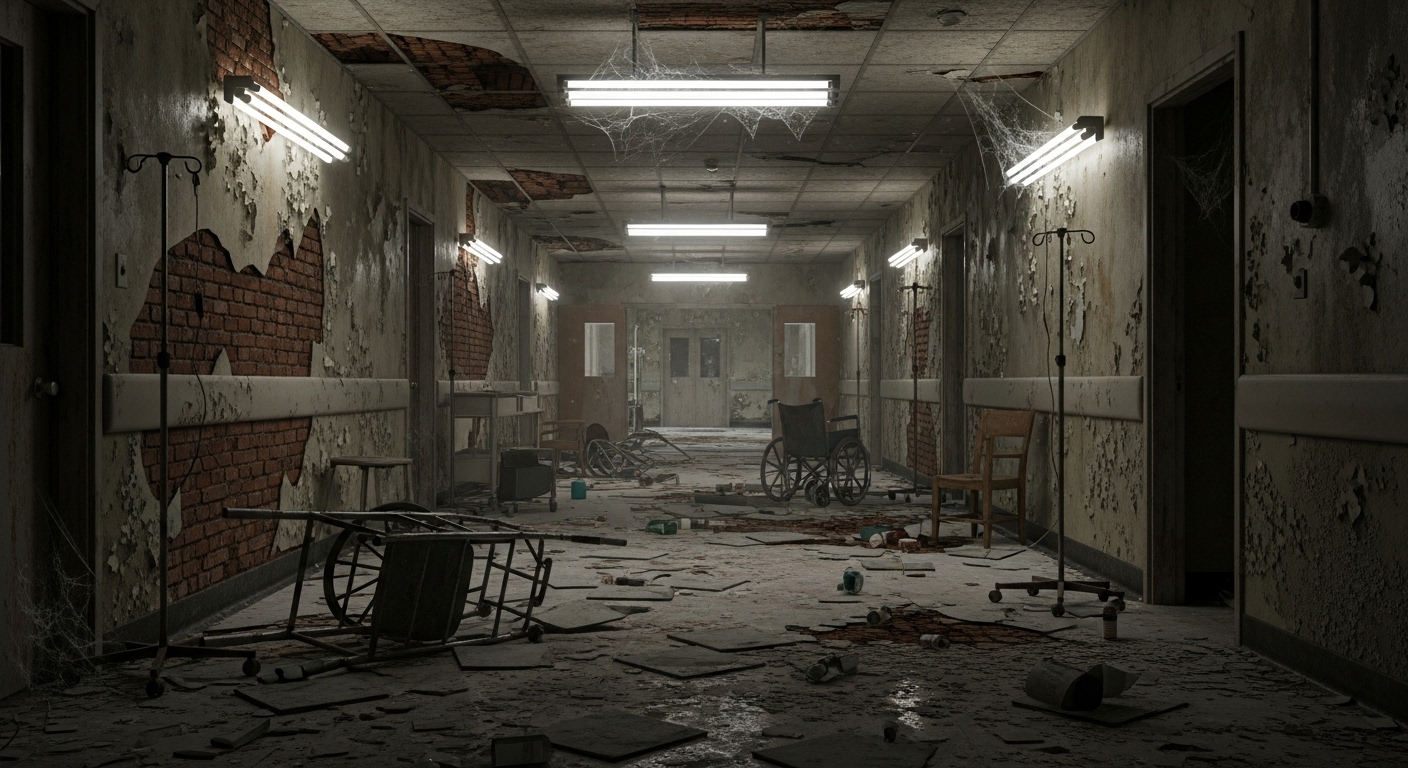
Have you ever passed by an old, crumbling building and wondered what stories lie behind those broken windows? Or spotted a “No Trespassing” sign and felt the urge to peek behind the vines and see what’s left inside? If so, you’re not alone. Exploring abandoned places has become a worldwide fascination — and with good reason. These forgotten spaces are time capsules filled with history, mystery, and untold stories. But how do you explore them without breaking laws or risking your safety?
In this guide, we’re diving deep into the world of urban exploration — also known as “urbex.” Whether you’re into photography, adventure, or just the haunting beauty of decay, we’ll walk you through how to explore abandoned places safely, legally, and respectfully. Because let’s be honest — while danger might sound thrilling, nothing kills the mood like a fine or a broken ankle.
So, are you ready to uncover hidden secrets, dusty treasures, and forgotten worlds — all without jail time or tetanus? Let’s go.
Why Are People So Drawn to Abandoned Places?
What is it about chipped paint, shattered glass, and silence that pulls us in? Abandoned places tell a story — one that’s incomplete, mysterious, and open to interpretation. There’s beauty in decay. A kind of eerie calm. And for photographers and filmmakers, it’s an untouched playground of aesthetic inspiration.
Some are drawn to the thrill. Others are driven by curiosity or nostalgia. Some are documenting lost history. But one thing is certain: exploring abandoned places taps into something deeply human — our fascination with time, memory, and what we leave behind.
What Counts as an Abandoned Place?
Not all abandoned places are dark, creepy ruins. Some are schools, hospitals, factories, homes — once bustling with life, now slowly being reclaimed by nature. Popular types include:
- Old amusement parks
- Forgotten hotels or motels
- Defunct military bases
- Empty villages or ghost towns
- Closed hospitals or asylums
- Derelict factories and warehouses
Some of these locations have even become tourist attractions or cultural heritage sites, while others remain hidden in plain sight, slowly fading from memory.
The Legal Side: Can You Explore Abandoned Places?
Let’s clear this up: just because a building looks abandoned doesn’t mean it’s free for all. In most countries, **trespassing is a crime** — even if the building seems forgotten. You could face fines, arrest, or worse. That’s why **legal exploration** is key.
Here are a few ways to do it right:
- Research ownership: Use public records or online resources to find the property owner.
- Ask permission: Many owners will say yes, especially if you’re taking photos and not disturbing the site.
- Look for public access: Some abandoned sites are open to visitors — often with guided tours.
- Check for heritage listings: Some sites are protected and open under supervision.
In short: Respect the law. It’s way cooler to post your exploration pics without worrying about handcuffs.
How to Explore Abandoned Places Safely
Safety should always be your top priority. Abandoned places can be incredibly unstable, with weak floors, exposed wires, broken glass, or even wild animals. Here’s what you should always do:
- Never go alone: Always bring a friend. Two pairs of eyes are better than one in case of injury or emergency.
- Wear the right gear: Boots, gloves, flashlight, mask (for dust or mold), and even a helmet for dangerous structures.
- Stay out of basements and upper floors: These are usually the most dangerous.
- Watch your step: Broken floors or sharp objects are common.
- Respect signs and barricades: If it says danger, believe it.
Also, let someone outside the group know where you’re going and when you’ll be back. Think of it as your urbex flight plan.

What to Bring on Your Urbex Adventure
Want to capture incredible photos, stay safe, and make the most of your trip? Here’s your essential packing list:
- Flashlight + backup batteries
- First aid kit
- Camera or smartphone with extra storage
- Protective gloves and mask
- Water and snacks
- Printed maps (cell signals often fail)
- Notepad or journal (if you’re documenting)
It’s not just about being prepared — it’s about staying one step ahead of any surprises.
Tips for First-Time Explorers
- Start small: Look for local spots or sites with open access.
- Join online urbex communities: You’ll find advice, maps, and possibly even mentors.
- Practice “Leave No Trace”: Don’t take anything, and don’t leave anything behind.
- Be mindful of the vibe: Some places feel unsafe — trust your gut.
It’s not just about the adventure — it’s about respecting history, being mindful, and staying smart.
Ethics and Respect: Don’t Be “That” Explorer
Urban exploration comes with an unspoken code. It’s about discovery, not destruction. That means:
- Don’t tag or vandalize.
- Don’t steal artifacts — leave history where it belongs.
- Don’t share exact locations publicly — this protects sites from damage and overexposure.
Be the kind of explorer future explorers will thank.
Exploring abandoned places is like stepping into forgotten chapters of a story. It’s raw, it’s real, and it’s deeply human. Whether you’re drawn by art, thrill, or curiosity, always remember to explore safely, legally, and respectfully.
Have you ever explored an abandoned place? What did you find? What would you tell someone who’s just getting started? We’d love to hear your stories — drop a comment below and let’s start a conversation! And hey, if this guide helped you or inspired your next trip, follow us on our social media channels! We regularly share unique travel content, hidden gems, and real-life adventures. See you on the flip side of the forgotten!
Catch up on the top stories and travel deals by subscribing to our newsletter!