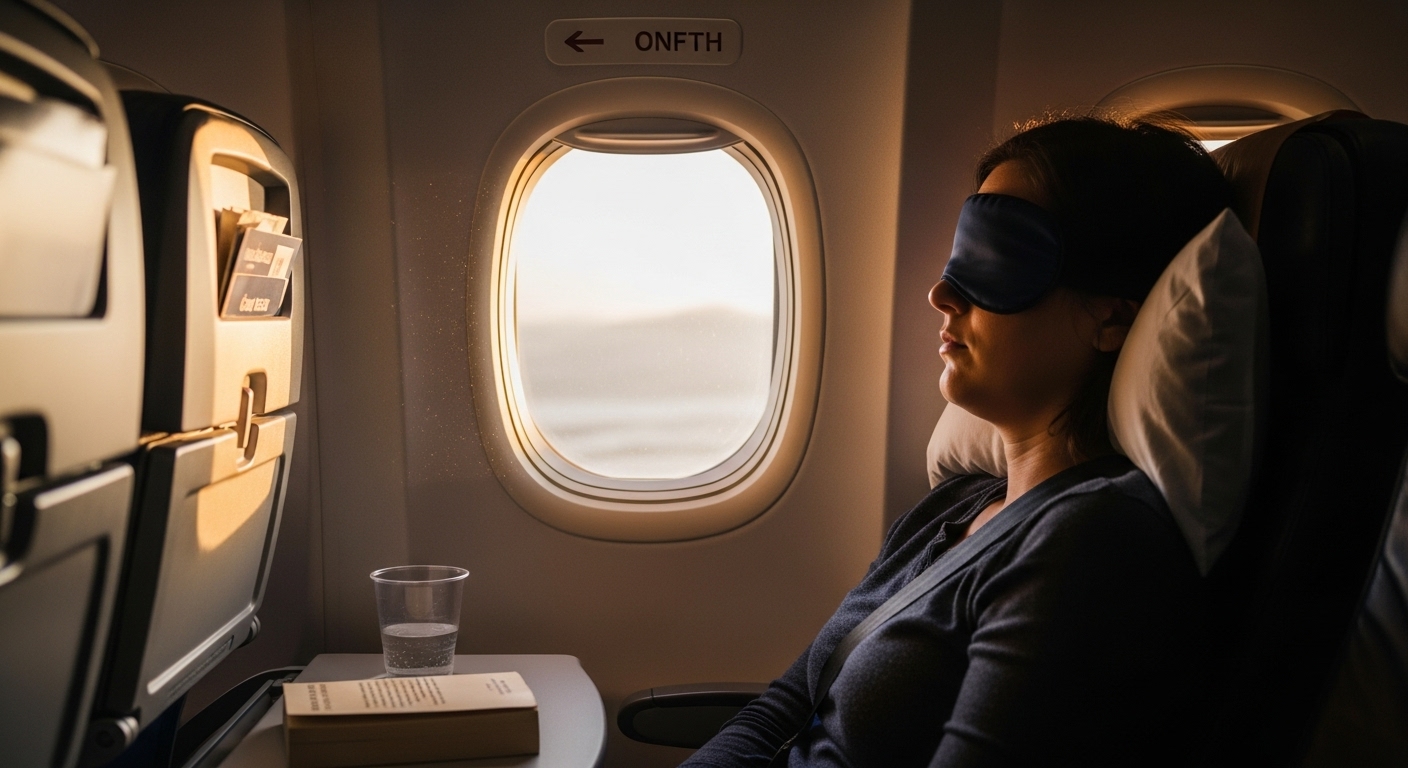
Traveling across time zones or countries is exciting — until your body clock disagrees. Whether you’re catching a red-eye flight, adjusting to jet lag, or struggling to sleep in a new environment, managing your rest can become a real challenge. That’s why understanding tips for managing different sleep schedules while traveling can make all the difference between feeling like a zombie on your trip or fully enjoying every adventure.
We’ve all been there — wide awake at 3 a.m. in Paris, dozing off during a morning tour in Tokyo, or feeling sluggish on a tropical getaway. Sleep disruption is one of the biggest (and most ignored) travel struggles. But here’s the good news: with the right strategies, you can adjust your body clock, reduce fatigue, and make your travels smoother and healthier.
So, if you’re wondering how to stay well-rested while constantly on the move, here are the best tips for managing different sleep schedules while traveling — backed by science, experience, and a little common sense.
Why Sleep Matters More Than You Think When Traveling
Let’s be honest — when you’re on vacation, sleep often takes a backseat. You’re too busy exploring, socializing, or catching early morning flights. But your body doesn’t just run on excitement; it runs on rest. Without proper sleep, your immune system weakens, your mood dips, and your memory takes a hit — all of which can seriously affect your travel experience.
Think of sleep as your body’s “reset button.” It restores your energy, improves focus, and helps your body adjust to new environments. Ignoring sleep can turn even the dreamiest trip into a drained experience. That’s why understanding how to manage different sleep schedules while traveling is so important — especially for frequent travelers, digital nomads, and adventure seekers who constantly change time zones.
1. Start Adjusting Before You Leave
One of the best tips for managing different sleep schedules while traveling is to prepare your body before you even board the plane. If you’re traveling east, try going to bed an hour earlier each night a few days before your flight. If you’re heading west, stay up a little later. This gradual adjustment helps your internal clock sync with your destination’s time zone faster.
Also, adjust your meal times accordingly. Your body links eating patterns with sleeping patterns, so this simple trick can make a big difference.
2. Stay Hydrated – It’s More Important Than You Think
Air travel dehydrates you, which can worsen fatigue and jet lag. Drink plenty of water before, during, and after your flight. Avoid alcohol and caffeine, especially close to bedtime. While they might help you relax temporarily, they interfere with deep sleep and leave you groggy the next day.
Pro tip: carry a refillable water bottle and sip throughout the journey. You’ll thank yourself later.
3. Use Natural Light to Your Advantage
Your body’s sleep-wake cycle (circadian rhythm) is controlled largely by exposure to light. Once you reach your destination, try to get sunlight at the right times. If you’re trying to adjust to an earlier schedule, get morning sunlight. If you’re trying to stay awake longer, catch some evening rays.
This natural exposure helps reset your body clock and makes it easier to adapt to your new sleep schedule. If natural light isn’t available (say, you’re traveling during winter or staying indoors), consider using a portable light therapy lamp.
4. Nap Smart, Not Hard
Naps can be a lifesaver — but only when used correctly. Long naps can confuse your body further and make it harder to adjust. Keep your naps short (20–30 minutes) and take them earlier in the day. That way, you’ll recharge without disrupting your nighttime sleep.
If you arrive at your destination exhausted, a power nap can help, but try to stay awake until the local evening time if possible. Your body will thank you with a better night’s sleep later.
5. Create a Sleep-Friendly Environment
Different hotels, different beds, and unfamiliar noises — all can disrupt sleep. One of the simplest tips for managing different sleep schedules while traveling is to recreate your ideal sleep environment. Bring a travel pillow, an eye mask, and earplugs or noise-canceling headphones. If you use a particular scent (like lavender) at home, pack a small bottle of essential oil for familiarity.
Many travelers also swear by white noise apps or meditation playlists to block out background sounds. Comfort is key when your surroundings change constantly.
6. Watch What (and When) You Eat
Eating heavy meals or consuming too much sugar close to bedtime can mess with your sleep. Try to eat lighter dinners, and avoid caffeine or chocolate after 3 p.m. local time. Also, local meal times may differ drastically from what your body is used to, so give yourself a few days to adjust gradually.
Bonus tip: Some travelers find that drinking chamomile tea or warm milk before bed helps them fall asleep naturally.
7. Stick to a Routine — Even on Vacation
It might sound boring, but maintaining some consistency in your routine can help a lot. Try to go to bed and wake up around the same time each day — even when you’re traveling. This doesn’t mean you have to skip adventures or nightlife; just try not to swing between extremes (like sleeping at 10 p.m. one day and 3 a.m. the next).
When your body senses regularity, it starts adjusting faster, even in a new time zone.
8. Limit Screen Time Before Bed
We’re all guilty of checking our phones before bed — scrolling through travel photos, messages, or Netflix. But that blue light from screens suppresses melatonin (the hormone that helps you sleep). If you really need to use your phone, switch on “Night Mode” or wear blue light-blocking glasses. Better yet, use that time to unwind — stretch, meditate, or read something light.
Remember, sleep is sacred. Protect it like your favorite travel memory.

9. Consider Short-Term Sleep Aids (Wisely)
If you’re struggling despite your best efforts, melatonin supplements or herbal sleep aids can help temporarily. However, they should be used with caution and ideally after consulting a doctor. Avoid prescription sleeping pills unless absolutely necessary, as they can cause dependency and worsen jet lag symptoms in the long run.
Natural sleep aids like magnesium, valerian root, or CBD (where legal) are often safer options for travelers.
10. Listen to Your Body — Always
Every traveler is different. Some adjust instantly, others take days. Don’t force your body beyond its limits. If you’re feeling fatigued, take it easy. Skip that early morning hike if your body screams for rest. Remember — traveling is about enjoyment, not exhaustion.
Part of managing different sleep schedules while traveling is learning when to push through and when to pause. Your body knows best — listen to it.
Bonus: The Jet Lag Survival Routine
If you’re crossing more than three time zones, follow this easy routine:
- Adjust your watch to your destination’s time as soon as you board.
- Sleep or stay awake according to that time — even mid-flight.
- Eat lightly, hydrate often, and walk around every hour.
- When you land, avoid long naps; get fresh air and sunlight instead.
This simple trick helps “train” your body to the new rhythm faster.
How Sleep Impacts Your Travel Experience
Getting enough sleep doesn’t just affect your energy levels. It changes how you experience your trip. You notice more details, feel more positive, and handle challenges better. You’re less irritable with travel companions, and you actually enjoy those sunrise hikes and cultural tours instead of just surviving them.
In short, better sleep = better travel memories. So, don’t just plan your itinerary — plan your rest, too.
Reader Question Time!
What’s your personal strategy for managing jet lag or adjusting to new time zones? Do you swear by coffee, naps, or meditation? Share your favorite tips for managing different sleep schedules while traveling in the comments — we’d love to hear what works for you!
Traveling should refresh your mind, not exhaust it. Whether you’re a business traveler hopping continents or a backpacker chasing sunsets, learning how to manage your sleep can transform your journey. With a few mindful changes — hydration, light exposure, and consistency — you can conquer any time zone like a pro.
After all, isn’t travel about balance? Explore by day, rest by night, and savor every moment in between. Follow WentWorld on our social media platforms for more travel tips, destination guides, and lifestyle advice for smart, happy travelers!
Catch up on the top stories and travel deals by subscribing to our newsletter!