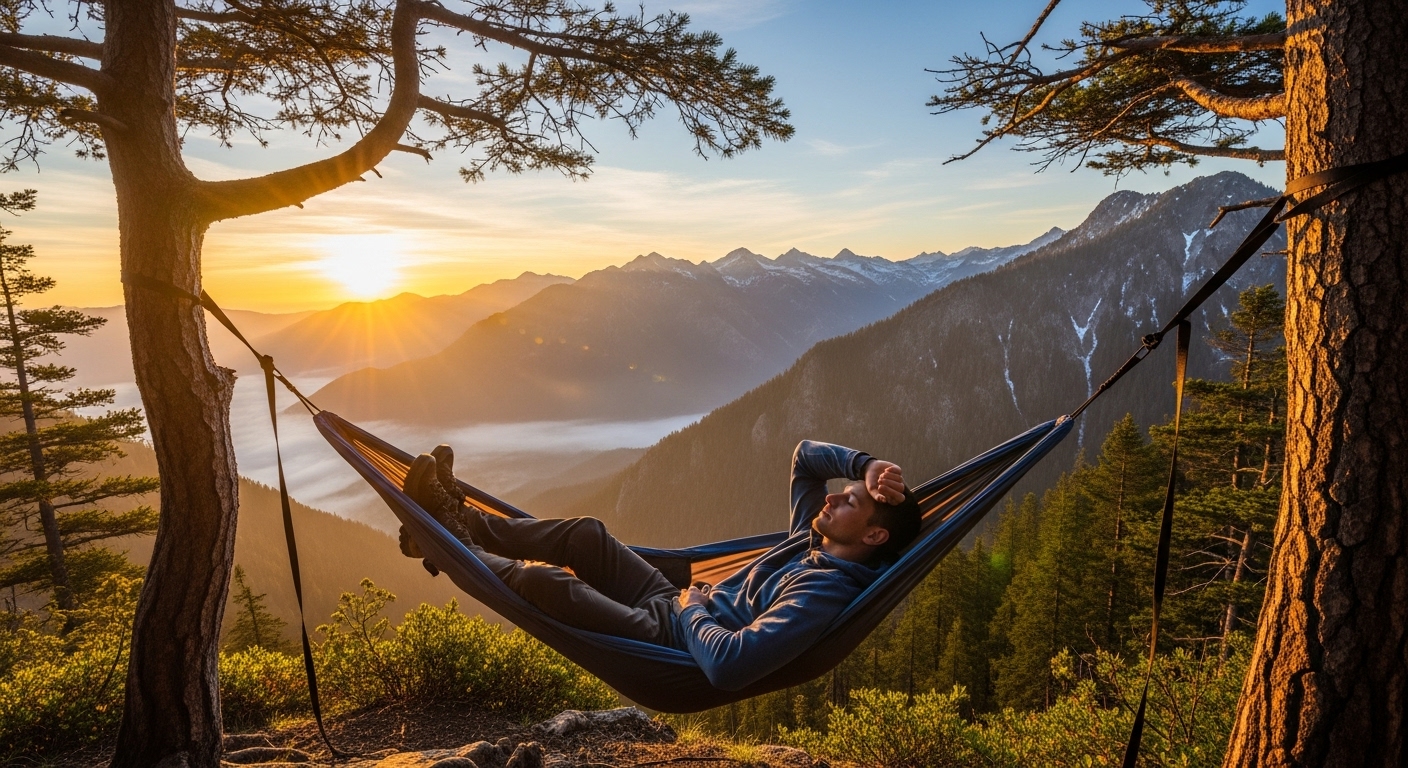
Let’s be honest — travel can be exhausting. Between rushing through airports, exploring new cities, and trying to make every moment count, we often forget that our bodies and minds need a break too. But here’s a secret most seasoned travelers know: learning how to take a proper rest day while traveling can completely transform your trip.
Think about it — when was the last time you returned from vacation feeling truly rested? Most of us come back with tired legs, overstuffed itineraries, and hundreds of photos but very little peace. That’s where a rest day steps in — not as a wasted day, but as the most essential day of your journey.
In this blog, we’ll talk about why rest days matter, how to plan them effectively, and what to actually do on them (spoiler: doing less is harder than it sounds!). So grab your coffee, stretch a little, and let’s dive into the art of slowing down while on the move.
Why Rest Days Are Not Lazy Days
Some travelers struggle with the idea of a “rest day.” You’ve saved up, you’ve traveled halfway across the world — and now you’re supposed to stay in bed? It feels counterintuitive, doesn’t it? But learning how to take a proper rest day while traveling isn’t about doing nothing; it’s about doing what your body and mind truly need.
When you travel, your senses are constantly on high alert — new sounds, languages, foods, and places. This mental stimulation can lead to what experts call “travel fatigue.” Add in physical strain from walking miles every day, jet lag, and irregular meals, and it’s easy to burn out by the halfway point of your trip.
A rest day is your reset button. It helps your body recover, your brain recharge, and your travel experience become more meaningful. You’ll notice things you would have missed in a constant rush — the way morning light hits your balcony, the rhythm of local life outside your window, or the taste of your coffee when you’re not gulping it down between attractions.
Signs You Need a Rest Day
Sometimes, your body whispers before it screams. Here are a few clues it’s time to slow down:
- You wake up already tired — even after a full night’s sleep.
- Your excitement to explore feels more like obligation than curiosity.
- You start getting irritated at little things — crowded lines, weather, noise.
- You can’t focus on details or remember the last few sights you saw.
- Your body feels stiff, sore, or bloated from constant eating on the go.
If any of these sound familiar, it’s time to hit pause. Remember, how to take a proper rest day while traveling isn’t a mystery — it’s an act of self-awareness and balance.

How to Plan the Perfect Rest Day
Now, rest days don’t happen by accident — you have to plan them. A proper rest day should feel restorative, not boring. Here’s how to do it right:
1. Schedule It Before You Burn Out: Don’t wait until you’re exhausted. If you’re on a 10-day trip, plan a rest day around day four or five. Think of it as preventive care for your adventure.
2. Choose the Right Location: Rest days work best in places where you actually feel comfortable. It could be a quiet coastal town, a cozy cabin, or a hotel with a view. Avoid cities that are too busy or noisy — they’ll tempt you to go exploring instead of resting.
3. Keep It Flexible: No alarm clocks. No strict plans. The beauty of how to take a proper rest day while traveling lies in unstructured time. Let the day unfold naturally.
4. Don’t Feel Guilty: You don’t owe the world constant activity. You’re not missing out — you’re making your trip sustainable. Remind yourself that rest enhances every experience that follows.
What to Do on a Rest Day (That’s Still Enjoyable)
Here’s the fun part — rest days don’t have to mean lying still in a dark room. There are plenty of ways to unwind without overexerting yourself. The goal is to recover without losing the travel vibe.
1. Sleep In — Guilt-Free: If there’s ever a day to stay wrapped in your blanket, this is it. Sleep helps your body repair itself from all the walking and exploring you’ve been doing. Let your body clock recalibrate.
2. Have a Slow Breakfast: Instead of grabbing a croissant and running to catch a bus, find a local café. Savor your meal, people-watch, chat with locals, or write in your travel journal. It’s moments like these that make memories last.
3. Visit a Park or Beach: Gentle walks in nature can rejuvenate you without draining energy. Lay on the grass, dip your feet in water, or simply read under a tree.
4. Do Light Activities: If you can’t sit still, opt for low-effort experiences like visiting a local market, attending a pottery class, or exploring a nearby bookstore. Keep it slow and spontaneous.
5. Take Care of Your Body: Book a massage, stretch, hydrate, and eat nourishing food. You’ve earned it. Many travelers swear by rest days as the secret to staying healthy on long trips.
6. Reflect and Reorganize: Use your downtime to check your itinerary, do laundry, or sort your photos. This keeps you organized and mentally refreshed for the next leg of your adventure.
The Science Behind Rest and Travel Performance
Studies show that taking breaks during high stimulation improves memory retention and mood — both crucial for travel. Without rest, even the most beautiful sights start to blur together. A well-timed rest day enhances creativity, patience, and appreciation.

In other words, learning how to take a proper rest day while traveling isn’t laziness — it’s science-backed self-care. You travel better, think clearer, and feel more alive when you give yourself permission to pause.
Rest Days for Different Types of Travelers
Solo Travelers: Rest days can be moments for self-reflection. Journal, meditate, or treat yourself to something indulgent. These pauses often lead to the best travel insights.
Couples: Take time apart or do something calm together — like a picnic or spa visit. Quiet moments can strengthen your bond more than another sightseeing sprint.
Families: Especially with kids, rest days are essential. Choose accommodations with pools or play areas so everyone can recharge in their own way.
Adventure Seekers: Even thrill-chasers need downtime. Use rest days for recovery — yoga, light stretching, or just soaking in a hot spring before your next hike.
How to Mentally Embrace Doing Less
Many travelers struggle with the mental side of resting. The fear of missing out (FOMO) is real. But here’s the thing — travel is not a checklist. You don’t have to see everything to truly experience a place.
Ask yourself: would you rather see ten attractions you barely remember or savor three that moved you deeply? True travel happens in the pauses — in the quiet mornings, unplanned detours, and slow conversations. That’s the art of how to take a proper rest day while traveling.
Real Traveler Stories: The Magic of the Rest Day
Every experienced traveler has a story about the day they chose to slow down — and something unexpected happened. Maybe it was finding a hidden café that became their favorite memory. Or meeting locals they wouldn’t have noticed otherwise. Or simply realizing that peace doesn’t need a landmark.
When you give yourself time to breathe, the world has a funny way of showing you more. And those quiet, restful days often end up becoming the ones you remember longest.
Travel isn’t about constant motion — it’s about balance. Every adventure needs a moment of stillness to make sense. So next time you’re planning a trip, make sure your itinerary includes a day just for you. A day to nap, wander, and simply exist.
Because when you master how to take a proper rest day while traveling, you don’t lose time — you gain presence. And presence is what makes travel truly unforgettable.
Have you ever taken a rest day that completely changed your trip? Share your story in the comments — we’d love to hear from you! And if you enjoyed this article, follow WentWorld on our social platforms for more stories, tips, and travel inspiration.
Catch up on the top stories and travel deals by subscribing to our newsletter!