
Have you ever looked at a building and felt like you were staring into another century? Learning how to travel based on architectural eras transforms ordinary trips into time-travel experiences. Instead of simply visiting cities, you begin decoding them. Streets become timelines. Skylines become history books. Every arch, column, and window tells a story.
Travel based on architectural eras is not about ticking landmarks off a list. It is about understanding how design reflects power, religion, culture, and innovation. From the symmetry of ancient temples to the glass confidence of modern skyscrapers, architecture quietly reveals what societies valued most. Would you travel differently if you knew what each structure represented?
This guide by WentWorld.com explores how to travel based on architectural eras in a practical, engaging way. We will walk through major periods, suggest destinations, and help you build trips around design movements rather than borders. By the end, you may never look at cities the same way again.
Why Travel Based on Architectural Eras Changes Everything
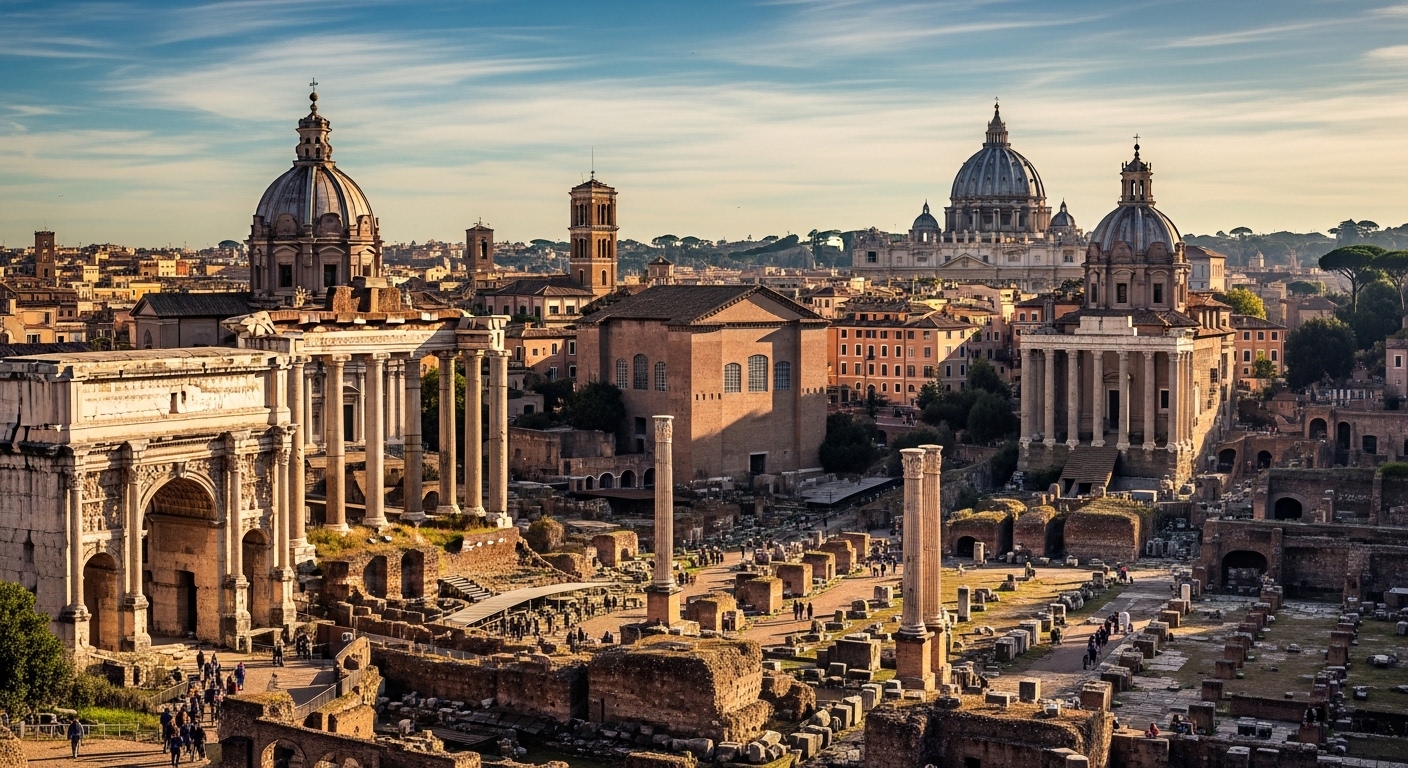
Most travelers organize trips by country or cuisine. However, when you travel based on architectural eras, your focus shifts to time instead of geography. Suddenly, Paris is not just Paris. It becomes Gothic, Renaissance, and Haussmannian all at once. Rome is no longer just Italy’s capital. It becomes Ancient Roman engineering layered beneath Baroque drama.
This approach creates depth. Instead of surface sightseeing, you experience context. You begin noticing details such as column styles, dome shapes, ornamentation, and materials. You start asking better questions. Why was this cathedral built so tall? Why are Art Deco buildings obsessed with geometry? What does minimalism say about the 20th century?
When you learn how to travel based on architectural eras, you gain a richer lens for every destination.
Ancient Architecture: Foundations of Civilization
Ancient architecture reflects power, divinity, and survival. Think monumental stone, mathematical precision, and symbolic alignment with the cosmos.
In Rome, the Colosseum and Roman Forum reveal engineering brilliance that shaped Western construction. Massive arches and aqueduct systems demonstrate how infrastructure defined empire.
In Athens, the Parthenon represents balance and proportion. Doric columns and symmetry influenced centuries of civic buildings worldwide.
Travel tip: Visit early morning or late afternoon. Shadows emphasize structural depth and make carvings more dramatic. Ask yourself, how did ancient builders achieve such precision without modern tools?

Gothic Era: Vertical Ambition and Sacred Light
If ancient architecture feels grounded, Gothic architecture feels weightless. Emerging in medieval Europe, this era introduced pointed arches, ribbed vaults, and flying buttresses.
In Paris, Notre-Dame Cathedral exemplifies Gothic ambition. Its stained glass windows transform sunlight into storytelling. Similarly, Cologne Cathedral in Germany stretches skyward in dramatic defiance of gravity.
When you travel based on architectural eras like Gothic, focus on height and light. Stand inside and look up. Notice how structure and spirituality blend. Do these spaces make you feel small or inspired?
Renaissance and Baroque: Rebirth and Drama
The Renaissance revived classical ideals but infused them with humanism. Domes, symmetry, and perspective dominated this period.
In Florence, Brunelleschi’s dome crowns the skyline. It represents innovation wrapped in beauty. Meanwhile, St. Peter’s Basilica in Vatican City embodies Renaissance mastery evolving into Baroque grandeur.
Baroque architecture, in contrast, is theatrical. Curves, gold details, and grand staircases aim to impress. Vienna and parts of Rome showcase this drama beautifully.
Travel tip: Compare a Renaissance square with a Baroque church interior. How does emotion shift between calm balance and ornate intensity?
Islamic Architecture: Geometry and Spiritual Harmony
Islamic architecture emphasizes symmetry, intricate geometric patterns, and inner courtyards.
The Alhambra in Granada displays delicate stucco carvings and reflective pools. In Dubai, modern interpretations blend tradition with innovation.
Notice how water features mirror structures. Reflection is symbolic and practical, cooling air in desert climates. Travel based on architectural eras here means slowing down and observing detail. Geometry is not decoration; it is philosophy in stone.
Colonial and Neoclassical: Power and Expansion
Neoclassical buildings revived Greek and Roman ideals to symbolize authority and democracy. Columns and domes became political statements.
In Washington, D.C., monuments and government buildings echo ancient republics. Across Latin America, colonial towns such as those in Mexico and Peru blend European forms with local materials.
When traveling based on architectural eras like this, reflect on power dynamics. Architecture often communicates control. Whose story does the building tell?
Art Nouveau and Art Deco: Creativity and Confidence
Art Nouveau celebrates curves inspired by nature. In Barcelona, Antoni Gaudí’s works feel organic and imaginative.
Art Deco, on the other hand, embraces symmetry and bold geometry. Miami is famous for its pastel Art Deco district.
Travel tip: Walk slowly. Look at door frames, balconies, and typography. These eras are playful and optimistic. They reflect societies stepping into modernity with confidence.
Modernism and Minimalism: Function First
The 20th century introduced glass, steel, and simplicity. Architects like Le Corbusier redefined urban living. Skyscrapers in cities like Chicago embody modern ambition.
Minimalist structures focus on clean lines and open space. Materials speak louder than ornamentation. When you travel based on architectural eras like Modernism, observe how cities respond to industrial growth.
Does simplicity feel calming or cold to you?

How to Plan a Trip Around Architectural Eras
Start by choosing one era that fascinates you. Then research cities where that style dominates. Build your itinerary around neighborhoods rather than just landmarks.
Visit museums for context. Many institutions partner with organizations like UNESCO to preserve architectural heritage.
Wake early for photography. Architectural details look different depending on light. Most importantly, give yourself time to sit in a square or courtyard. Observation deepens appreciation.
Blending Eras in One City
Some of the best destinations allow you to experience multiple periods within walking distance. Rome layers Ancient, Renaissance, and Baroque effortlessly. Istanbul merges Byzantine and Ottoman architecture.
When you travel based on architectural eras in one city, compare transitions. How does one era respond to the previous one? Architecture often reflects rebellion or evolution.
Why This Style of Travel Feels More Meaningful
Travel based on architectural eras encourages intentional exploration. You are not chasing trends. You are seeking understanding.
Buildings survive wars, revolutions, and climate shifts. They stand as witnesses. Walking among them connects you to centuries of human creativity.
Have you ever chosen a destination purely because of its architecture? Would you consider planning your next trip around a design movement instead of a country?
We would love to hear your thoughts. Share which architectural era fascinates you most and why. Your insights might inspire fellow travelers.
If you enjoy exploring destinations through deeper themes like this, follow WentWorld.com on our social media platforms for more thoughtful travel inspiration and global storytelling.
Catch up on the top stories and travel deals by subscribing to our newsletter!










Leave a Reply
You must be logged in to post a comment.