When you hear the word “pilgrimage,” your mind might jump to images of devout travelers walking toward sacred shrines or cathedrals. But what if pilgrimages weren’t only for the religious? What if they were about self-discovery, mindfulness, and the simple joy of slow travel? Around the world, an increasing number of travelers are creating their own DIY pilgrimage paths — journeys of reflection, endurance, and connection that don’t necessarily lead to a holy site but still hold deep personal meaning.
In recent years, the idea of pilgrimage has evolved. It’s no longer limited to faith-based traditions. Today’s travelers are walking ancient routes, scenic trails, and cultural corridors not for religious devotion, but to reconnect — with nature, with history, and with themselves. Whether it’s the famous Camino de Santiago in Spain or a quiet path through Japan’s countryside, a DIY pilgrimage path can become a transformative experience, no matter what you believe.
Why People Are Turning to Modern Pilgrimages
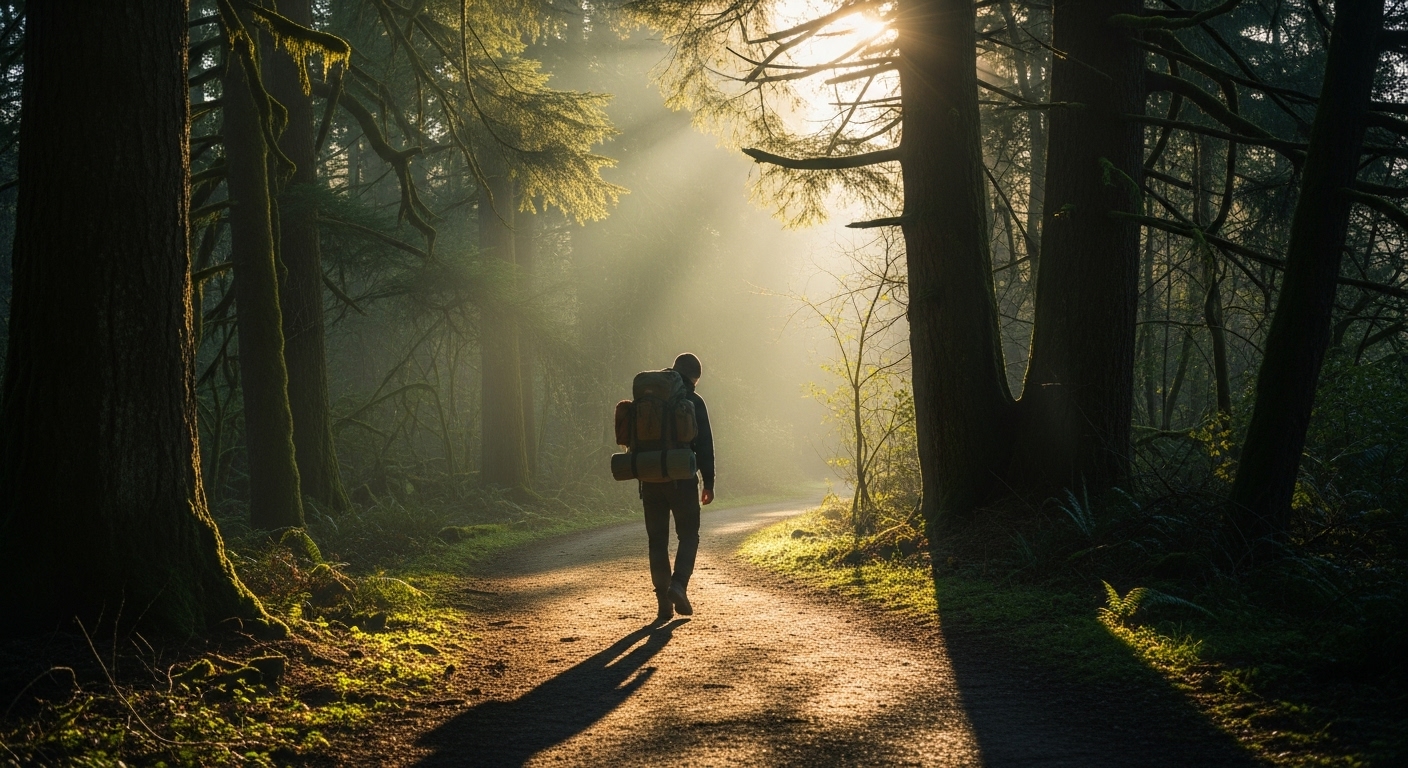
There’s something profoundly human about walking long distances with intention. The world moves fast, and many of us crave a slower pace — one where the journey itself matters more than the destination. DIY pilgrimage paths invite travelers to disconnect from constant noise and rediscover simplicity. No Wi-Fi. No rush. Just one step after another.
For some, it’s a form of mindfulness — a walking meditation that helps process life transitions, grief, or burnout. For others, it’s a physical challenge that demands endurance and rewards with peace of mind. And for many, it’s an adventure that weaves together landscapes, cultures, and stories in a deeply meaningful way.
Whatever the reason, these paths remind us that travel can be more than sightseeing — it can be a spiritual, emotional, and mental reset, even without religious intent.
The Rise of DIY Pilgrimage Paths
While the famous Camino de Santiago still attracts hundreds of thousands of walkers each year, many people now seek quieter or alternative routes that offer the same introspective rhythm without the crowds. That’s where DIY pilgrimage paths come in — routes you design yourself, inspired by traditional pilgrimages but shaped by your personal goals or themes.
Maybe your pilgrimage follows the coastline of your home country. Maybe it traces historical trade routes, follows rivers, or connects small villages that tell a shared story. The beauty of the DIY approach is flexibility — you set the pace, define your purpose, and choose how deep your experience goes.
Camino Alternatives: Global Routes for Personal Reflection
If the Camino de Santiago inspired you but you’re looking for something different, here are some stunning Camino alternatives around the world that serve as meaningful DIY pilgrimage paths — even if you’re not religious.
1. Kumano Kodo, Japan 🇯🇵
Japan’s Kumano Kodo is one of only two pilgrimage networks in the world recognized as a UNESCO World Heritage site (the other being the Camino de Santiago). This network of ancient trails winds through misty cedar forests, tea villages, and sacred mountains in the Kii Peninsula.
Even non-religious travelers find peace here. The path encourages quiet reflection, and guesthouses along the way offer traditional meals and hot springs — the perfect balance of physical effort and soulful rest. Whether you walk just a section or the full route, the experience feels like stepping through time and spirit alike.
2. Via Francigena, Italy 🇮🇹
Before the Camino became famous, pilgrims in medieval Europe walked the Via Francigena, which stretches from Canterbury, England, to Rome, Italy. Today, it’s a rewarding path for both spiritual and secular travelers.
You’ll wander through vineyards, hilltop towns, and ancient Roman roads — meeting locals, savoring regional food, and learning the stories of centuries past. Each step through Italy’s countryside feels like walking through a living museum, where the past and present merge gracefully.
3. The Nakasendo Trail, Japan 🇯🇵
If you love the blend of culture and countryside, the Nakasendo Trail offers an unforgettable walk between Kyoto and Tokyo. Once a major Edo-period route, this trail connects beautifully preserved post towns, stone paths, and mountain passes.

Though not religious, this route carries a sense of reverence — for craftsmanship, hospitality, and natural harmony. It’s an ideal DIY pilgrimage path for those seeking balance between physical movement and cultural immersion.
4. The St. Olav Ways, Norway 🇳🇴
Scandinavia’s answer to the Camino, the St. Olav Ways lead to Trondheim’s Nidaros Cathedral, the burial place of Saint Olav. But you don’t need faith to walk it. With its forest trails, quiet farms, and fjord views, this route is about simplicity and solitude.
Many hikers describe it as a walking meditation — a dialogue with nature and oneself. You can even earn a pilgrim’s passport and stay in cozy local lodges that cater to both believers and modern seekers alike.
5. The Inca Trail Alternatives, Peru 🇵🇪
The classic Inca Trail to Machu Picchu is often overcrowded, but Peru’s Sacred Valley offers quieter trails that still carry ancient energy. Routes like the Lares Trek or Salkantay Trek can be turned into DIY pilgrimage paths for those seeking connection with nature and indigenous culture.
Walking among the Andes, passing through villages where Quechua traditions thrive, you’ll feel a spiritual connection that transcends religion — it’s about respect for the land and those who’ve walked before you.
6. Shikoku 88 Temple Route, Japan 🇯🇵
This 1,200-kilometer pilgrimage loops around the island of Shikoku, connecting 88 Buddhist temples. While deeply spiritual, the journey also welcomes non-religious walkers who seek personal reflection. You can walk sections of it or the full route — traditionally done in white robes and conical hats, though modern travelers often just wear hiking gear.
The journey embodies the idea that pilgrimage is not about dogma, but about transformation — about who you become along the way.
7. The Via Dinarica, Balkans 🇧🇦🇭🇷🇲🇪
Stretching across the mountains of the Western Balkans, the Via Dinarica links remote villages, old trade paths, and breathtaking alpine landscapes. It’s ideal for those who crave rugged adventure blended with cultural connection.
You can design your DIY pilgrimage path here around themes like resilience, renewal, or remembrance — letting nature guide the experience. It’s raw, authentic, and full of humanity.
8. The Appalachian Trail, USA 🇺🇸
Spanning over 3,500 kilometers through 14 states, the Appalachian Trail isn’t a traditional pilgrimage — but it’s one of the world’s most life-changing walks. Many thru-hikers treat it as a modern rite of passage. Months of solitude, endurance, and reflection make it a deeply transformative journey.
Your faith doesn’t matter here — what matters is your purpose, your perseverance, and the clarity that comes when all you have to do each day is walk and breathe.
How to Create Your Own DIY Pilgrimage Path
You don’t need to travel across the world to walk a meaningful path. Your DIY pilgrimage path can start right where you are. Here’s how:
- Define your intention. What do you want to reflect on, release, or reconnect with?
- Pick a route that resonates. It could be an old trail, a coastline, or even a city-to-city walk.
- Travel light. Keep your essentials simple. The less you carry, the more open you feel.
- Disconnect to reconnect. Limit digital distractions. Let the rhythm of your steps replace scrolling.
- Journal your journey. Each day, write about what you see, think, and feel — it’s part of the transformation.
Why DIY Pilgrimage Paths Matter Today
In an age dominated by digital overload, instant gratification, and stress, walking has become a quiet act of rebellion. DIY pilgrimage paths teach us patience, endurance, and presence. They slow us down enough to notice — the smell of rain on earth, the crunch of gravel, the smile of a stranger.
Even if you’re not religious, the concept of pilgrimage taps into something universal: the human desire for meaning. Whether your path lasts a day or a month, whether it’s through cities or forests, what matters most is the inner distance you travel — the emotional journey that mirrors every mile on foot.
You don’t need religion to walk with purpose. You only need curiosity, courage, and the willingness to keep moving forward. DIY pilgrimage paths remind us that travel doesn’t have to be about luxury or landmarks — it can be about presence, healing, and growth.
So maybe the next time you pack your bag, don’t ask where you’re going. Ask why.
We’d love to hear your thoughts — have you ever walked a long-distance trail or created your own reflective journey? What did you learn from it? Share your stories in the comments below! And don’t forget to follow us on our social media platforms for more soulful travel stories, guides, and inspiration from every corner of the world.
Catch up on the top stories and travel deals by subscribing to our newsletter!