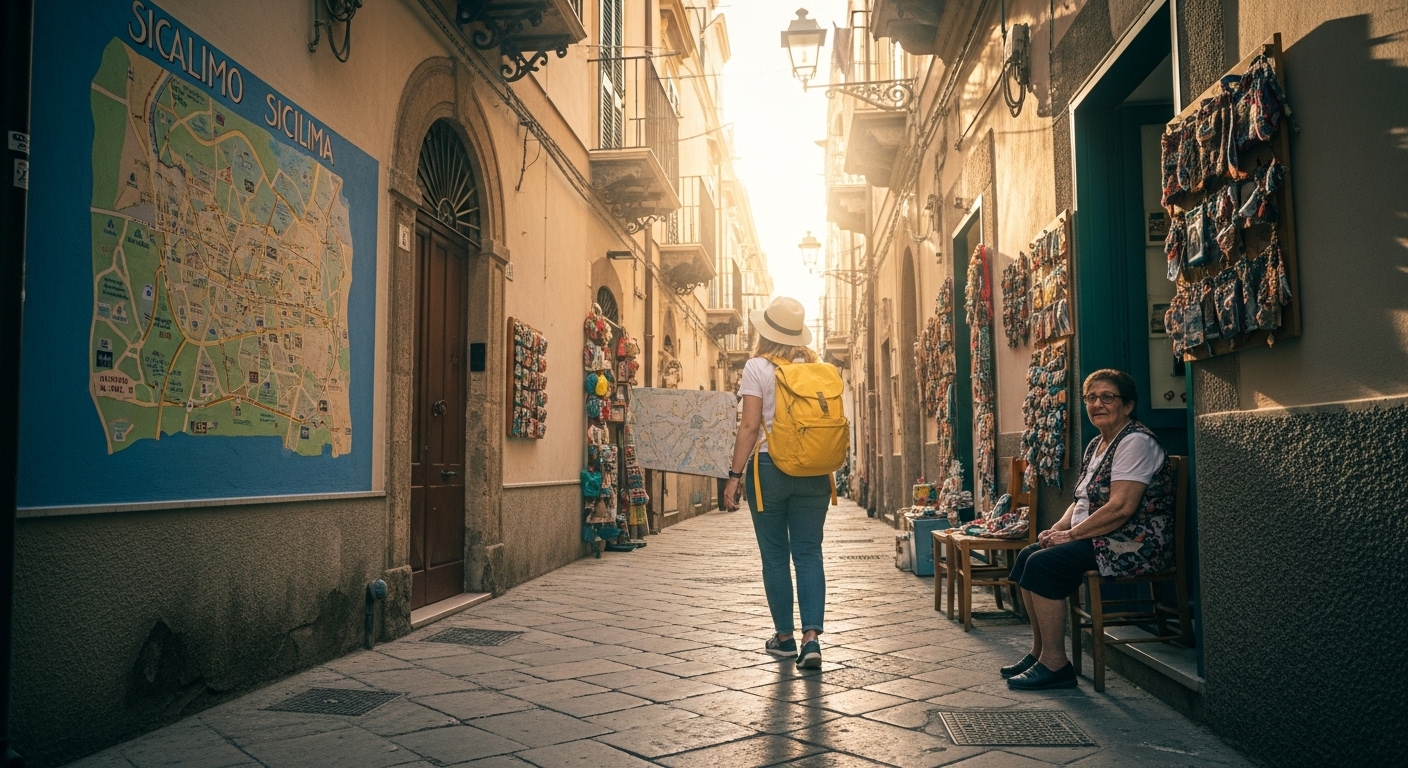
If you’ve ever wanted to go beyond tourist maps and get a genuine sense of urban life, the hyperlocal travel method could be your next favorite way to explore. Instead of racing to check landmarks off a list, you dive into a single neighborhood at a time—sampling cafes, talking to residents, finding hidden art, and getting to know the rhythm of daily life. This is urban exploration with depth, not just breadth.
Hyperlocal travel isn’t just about slower travel—it’s about connection, discovery, and serendipity. It rebalances energy, helping you stay present in small pockets of life instead of stretching your pace across an entire city. Over the next few thousand words, we’ll unpack why neighborhood-focused travel works, how to plan your stops, where to look, and how to create memories that stick long after you leave.
1. Why Hyperlocal Travel Works So Well
When you explore a single neighborhood deeply, you see communities, not attractions. You learn what local people love: corner bakeries, communal benches, park meetups. You notice details—a mural, a handwritten menu, a parent pushing a stroller at sunset. That kind of travel invites curiosity and presence. Hyperlocal travel also reduces exhaustion. Instead of commuting across town, you savor the familiar and let exploration be unhurried and connected.
Neighborhood travel gives context to a city’s identity too. You experience contrasts—old-world lanes next to modern greenways, startup hubs beside soul-food joints. That texture is what gives urban travel its texture.
2. Choosing Neighborhoods That Match Your Vibe
Start by matching the character to your interest. In creative hubs, look for areas with art studios and indie cafes. If you love food, head to culinary enclaves—where markets open early, family-run stalls dot alleyways, and fermentation classes exist. Music lovers might wander districts filled with jazz bars or street performances. Often, travel blogs and local tourism sites feature neighborhoods by theme—just pick one that fits your journey.
Your approach can shift each day. One morning could be spent in an artist quarter; an afternoon in a riverside crafts market. Mix and match to keep momentum fresh without exhaustion.
3. Setting an Intentional Exploration Routine
Hyperlocal travel benefits from routines too. Start with a neighborhood walk before coffee shops fill. Visit a market, jot down favorite things, and then pause for lunch at a mom-and-pop eatery. In the afternoon, look for an art gallery, public space, or green nook to relax. Finish with a local meet-up—an evening street concert, wine bar, or night market. These rhythms help you feel anchored, not rushed.
Try repeating the same walk, at least partially, on consecutive days. You’ll notice small changes—flowers blossoming, vendors rotating, light moving through windows. That slow-cooking awareness is at the heart of hyperlocal travel.
4. Capture Moments Without Interrupting Flow
On hyperlocal travel days, you’ll discover details worth remembering—handwritten chalkboard menus, ripening fruits, friendly greetings. Keep your camera handy, but avoid photographing everything. Instead, pick one spot and observe: how people use it, what sounds fill air, what smells drift through doorways. Take a photo, but also imprint it in memory. That balance keeps you fully present.
5. Connect With People: Hosts, Stall‑Keepers, Artisans
One treasure of hyperlocal travel is connection. A chat with a barista can turn into a market invitation. A conversation at a gallery may lead to a dinner invite. Let your curiosity show—ask permission before notebooks or photos. Keep your tone friendly and open-ended: “I love your work, how did you start here?” Real relationships can spark from small, sincere exchanges.
These personal threads are what make neighborhood travel unforgettable and give rare access to hidden corners often missed by guidebooks.
6. Using Maps, Apps, and Local Counsel
Helpful tools make neighborhood travel richer. Grab a local map and mark cafes, street art zones, public parks, and artisan shops. Apps like “AroundMe,” local food blogs, or walking tour suggestions can refresh your feed of ideas. Use apps to track small wins—like sampling five street-food dishes in a morning. But don’t rely entirely on them—sometimes the best surprises come when you turn a corner blind and follow a sound or scent.
7. Sample Itinerary: A Day in a Neighborhood
Here’s an example of a hyperlocal travel routine in Lisbon’s Alfama district:
- 8 am: Walk uphill through pastel architecture toward a hillside viewpoint.
- 9 am: Coffee at a tiny cafe—watch locals gather.
- 10 am: Roam tile workshops and browse Fado house windows.
- 12 pm: Market stop for pastries and market‑stall lunch.
- 2 pm: Siesta or sketch moment on a river‑view bench.
- 4 pm: Visit local gallery and artist chat.
- 6 pm: Sunset miradouro, drink in hand, chatting with neighbors.
- 8 pm: Dinner at family‑run restaurant with fresh seafood.

Adjust hours to season and style—add beach time in summer or indoor crafts in winter. That kind of day encourages depth, not distance—and embodies hyperlocal travel philosophy.
8. Combine Neighborhoods Across a Trip
Your trip could feature two or three neighborhoods—the arts district, waterfront quarter, leafy suburb. Spend two nights in each, treating each like a mini-journal. Learn local bus routes, find a favorite stall, return to the same evening corner to watch dusk settle in. That way, you avoid transit fatigue while experiencing layered texture across the trip.
9. Balancing Iconic Sites with Neighborhood Days
A hyperlocal travel itinerary doesn’t exclude landmarks. It just contextualizes them. For example, visit Paris’s Louvre—but then return to a nearby arrondissement for a market lunch or bookshop browse. That way, big-ticket attractions feed your explorations instead of monopolize them. Neighborhood context adds soulful layers to each visit.
10. Learn, Shop, or Volunteer Locally
To layer in community, consider small experiences: take a cooking class in someone’s home, volunteer an hour at a local school, or join a neighborhood gardening project. Micro engagements bring surprising insights and let you support places you visit. They embody hyperlocal travel values of respect and reciprocity.
11. Track and Reflect on Your Neighborhood Choices
Keep a travel journal or voice notes after each neighborhood day. Ask: What surprised me? What felt peaceful? What memory am I taking home? Over a two-week trip, you’ll notice patterns: favorite streets, stalls, music. That reflection closes the loop, making neighborhood exploration personal and memorable.
12. When Hyperlocal Travel Isn’t Perfect
Sometimes a neighborhood feels dead or overly touristy. If you’re not vibing, pivot—but pivot slowly. Walk deeper in, across blocks. Try a neighborhood brewery or community center. Often a shift in direction or street simply shifts tone. But if after two hours there’s still no spark—move on. Hyperlocal travel is about following curiosity, not obligation.
Final Thoughts
Exploring cities by neighborhood isn’t just a way to travel—it’s a way to belong, briefly. It lets you step off international rails and into local flow. It slows pace, boosts mental presence, and stitches together small stories that become travel lore. If richness matters more than speed, implement hyperlocal travel on your next city stay. Share your favorite neighborhood find below, and follow us for more travel ideas grounded in place and human connection.
Catch up on the top stories and travel deals by subscribing to our newsletter!