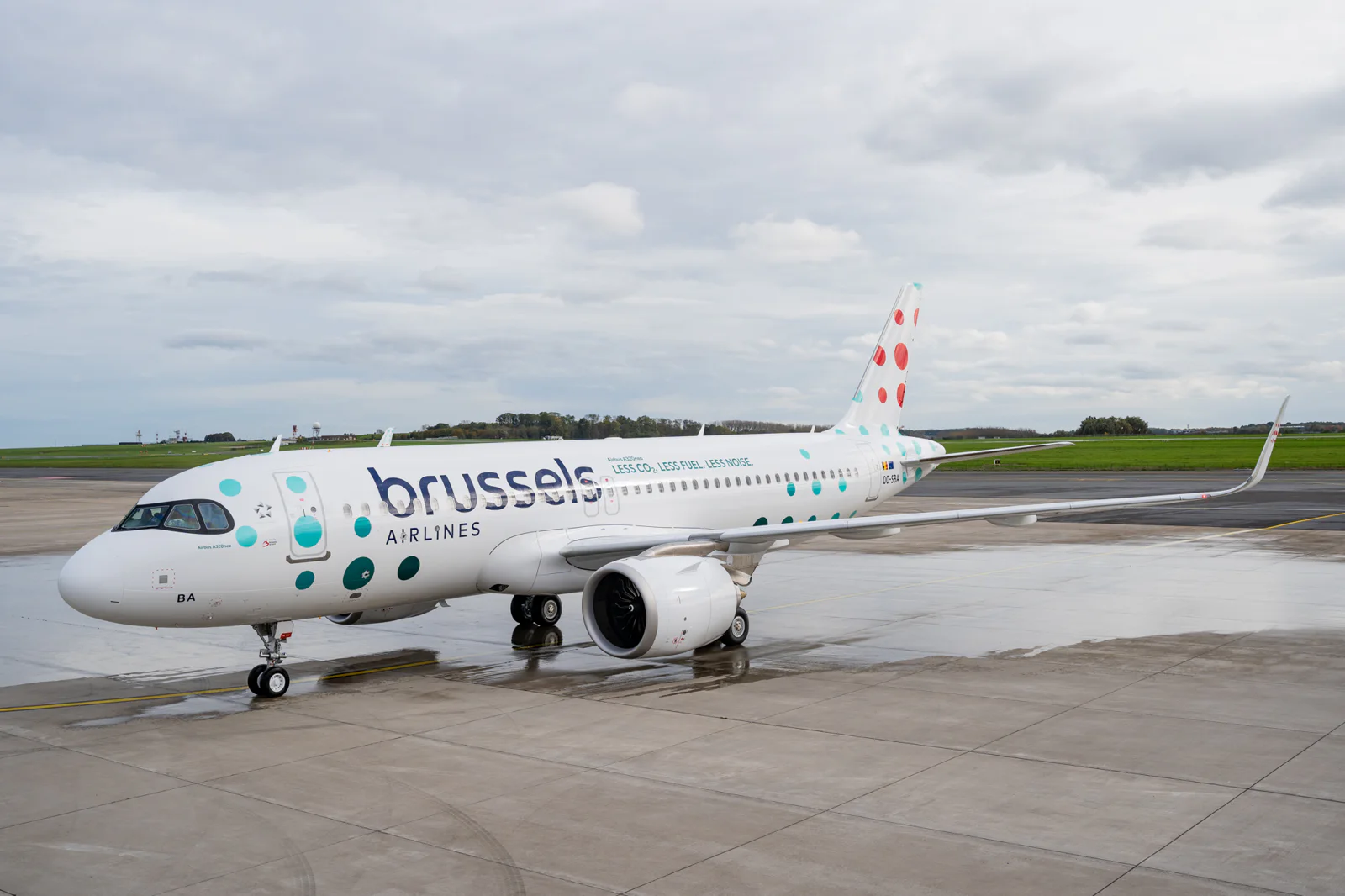
A Brussels Airlines flight from Brussels to Málaga faced tragedy when a passenger died midair. The Airbus A320 had reached cruising altitude when the passenger’s health deteriorated rapidly. Despite immediate use of onboard medical equipment, the situation escalated, and the crew diverted the plane to Toulouse. The incident disrupted travel plans and reminded the aviation industry of in-flight medical limits.
The flight, operating as SN3735, left Brussels around midday and encountered the emergency two hours later. The cabin crew acted quickly with oxygen and a defibrillator while the captain adjusted course. The aircraft landed in Toulouse, where medical teams received the passenger. The passenger did not survive despite continuous intervention. Authorities managed the removal swiftly, allowing the aircraft to continue its route to Málaga later in the day.
Brussels Airlines trains crew members for medical crises and equips aircraft with advanced tools. However, certain health conditions remain difficult to manage at high altitude. This event emphasized how critical proximity to medical facilities is during emergencies. Passengers often rely on a combination of crew training and onboard equipment until hospitals can intervene.
The diversion caused significant delays, and the aircraft reached Málaga almost five hours late. Nevertheless, the airline prioritized the health emergency over the schedule, underscoring that safety always comes first. Aviation experts note that such incidents spark debate about how airlines can enhance preparedness. Airlines constantly refine procedures, yet real-world emergencies prove that challenges still exist.
The incident on September 20, 2025, left many passengers shaken but highlighted the professionalism of Brussels Airlines staff. The airline’s quick action ensured all other passengers arrived safely despite the heartbreaking circumstances. As demand for air travel rises, the industry must continue improving strategies for critical health events in flight.
Related stories:
Catch up on the top stories and travel deals by subscribing to our newsletter!