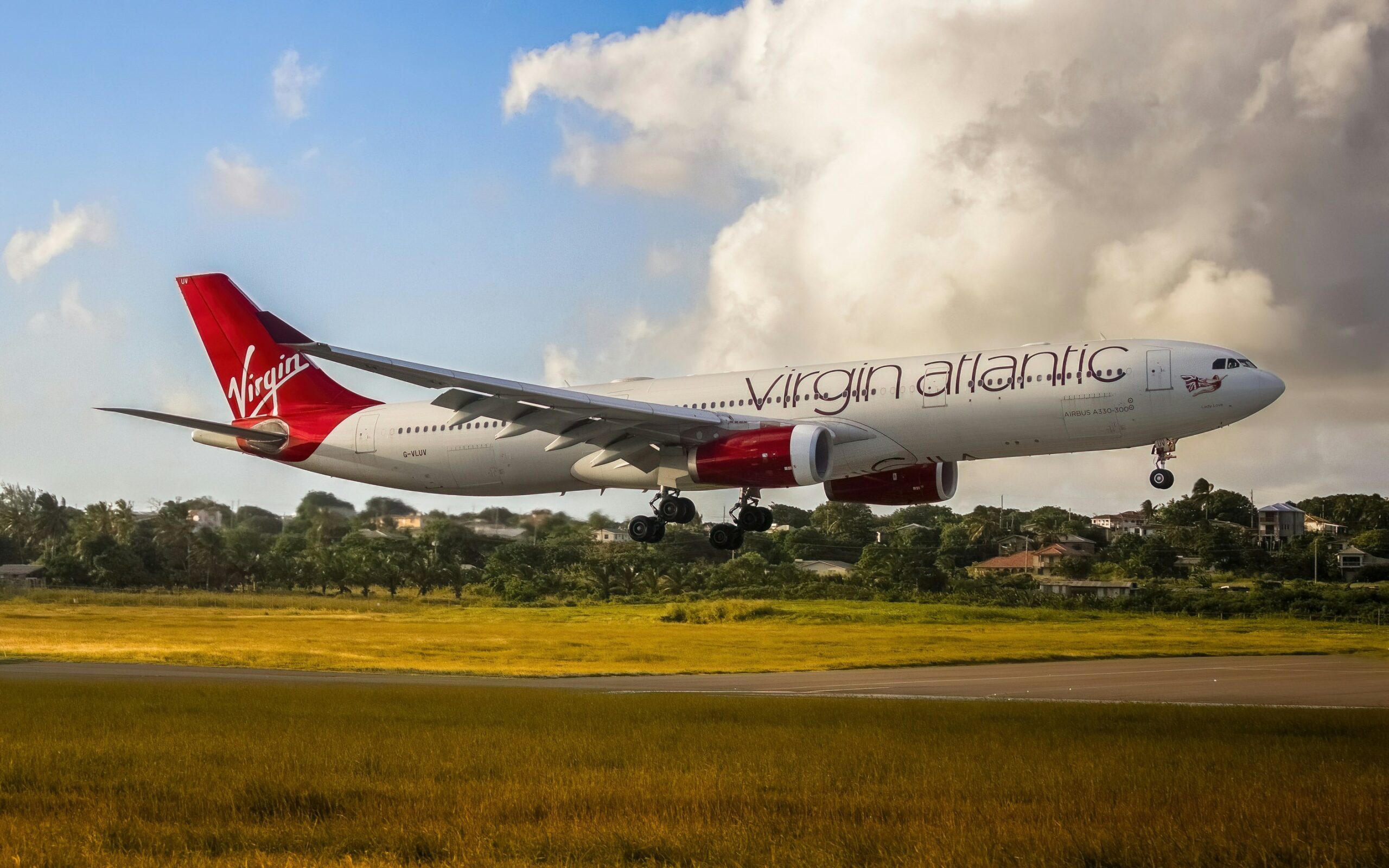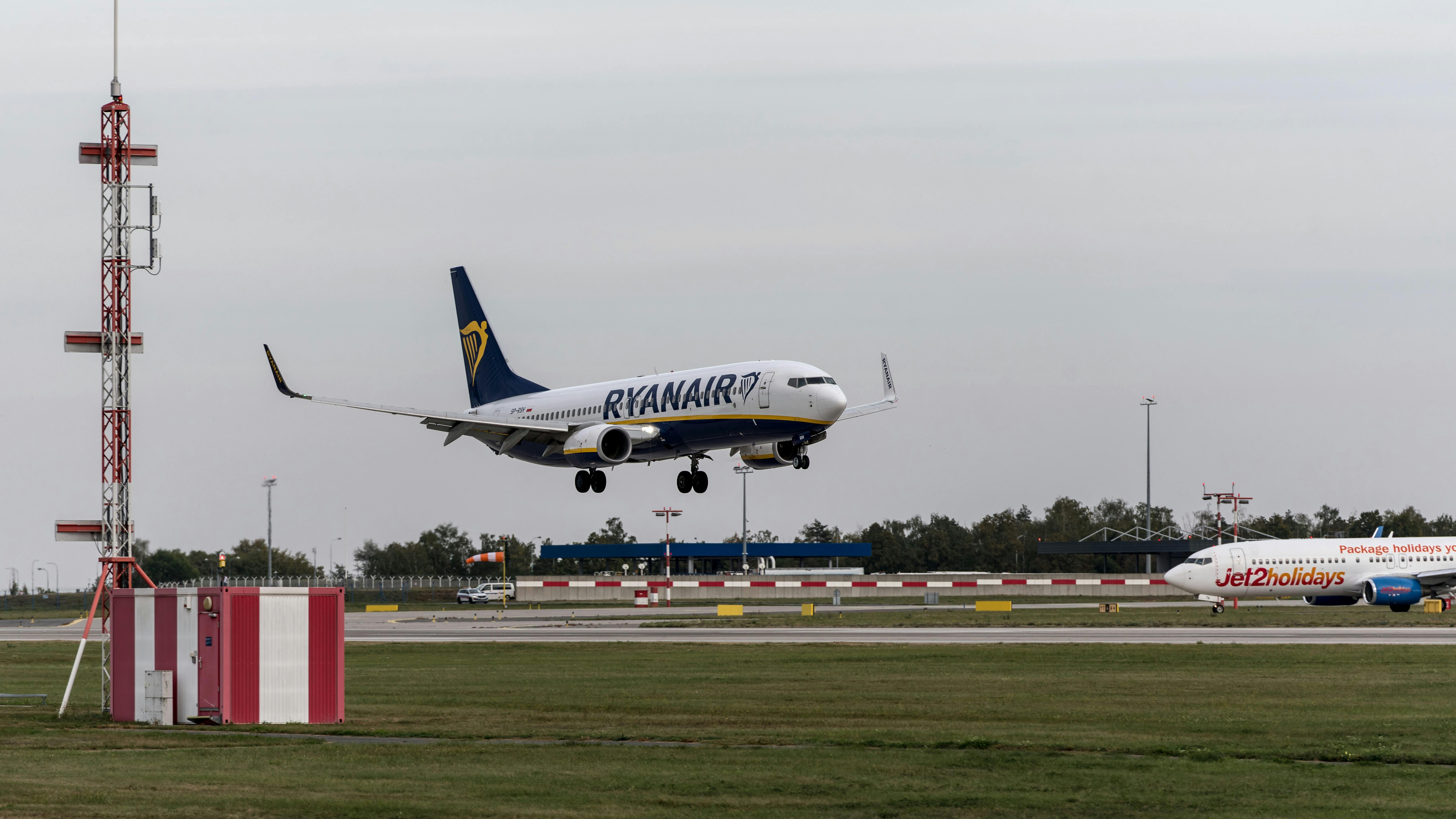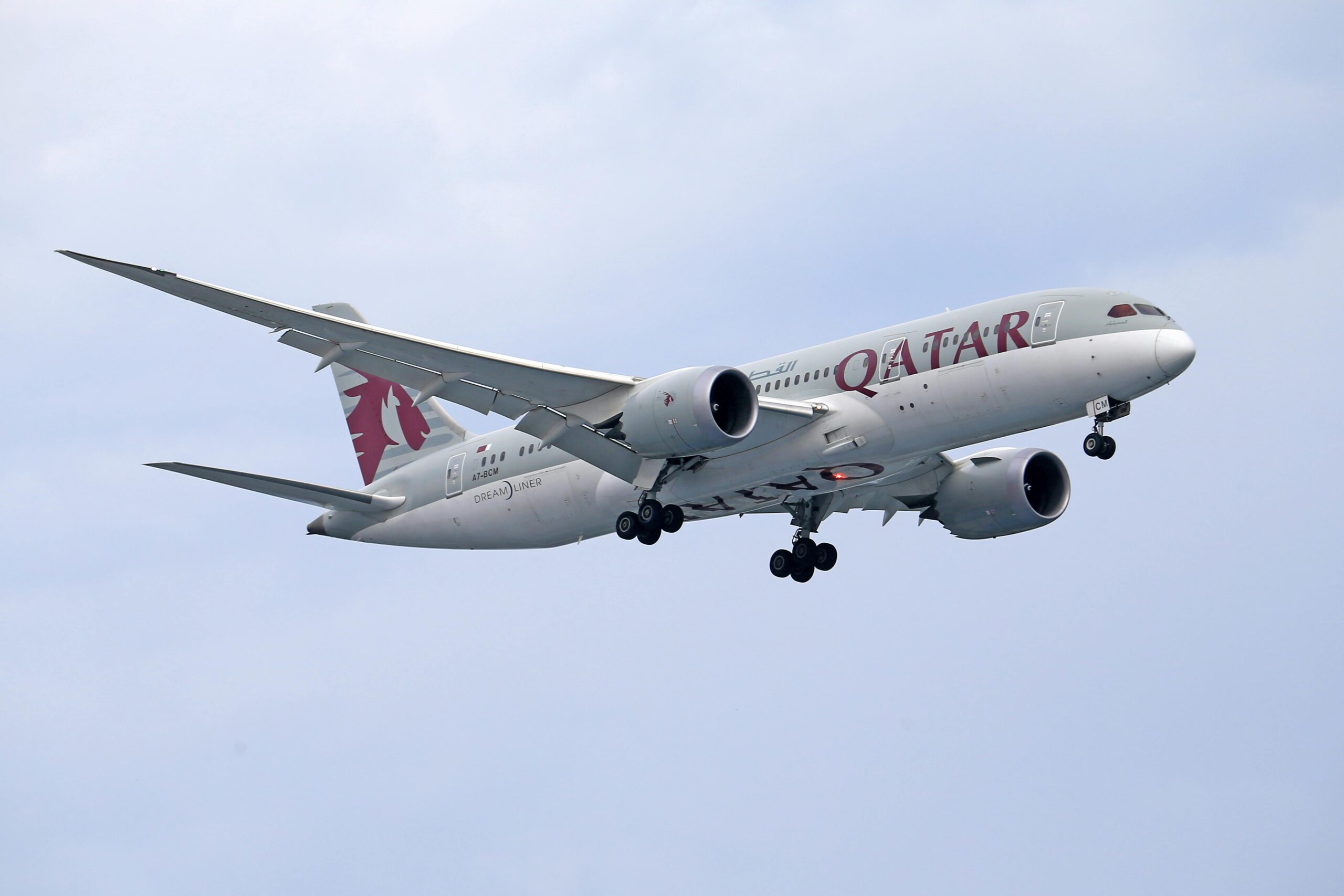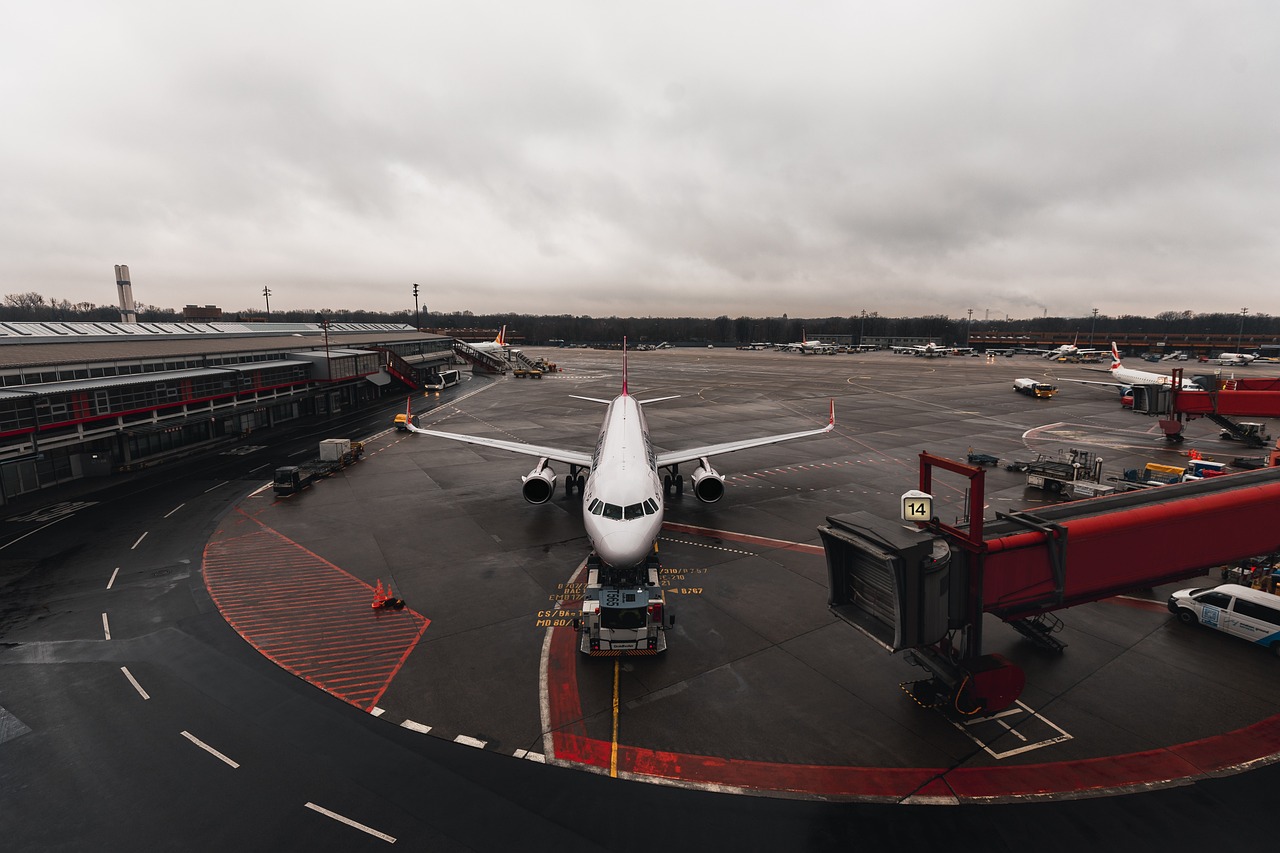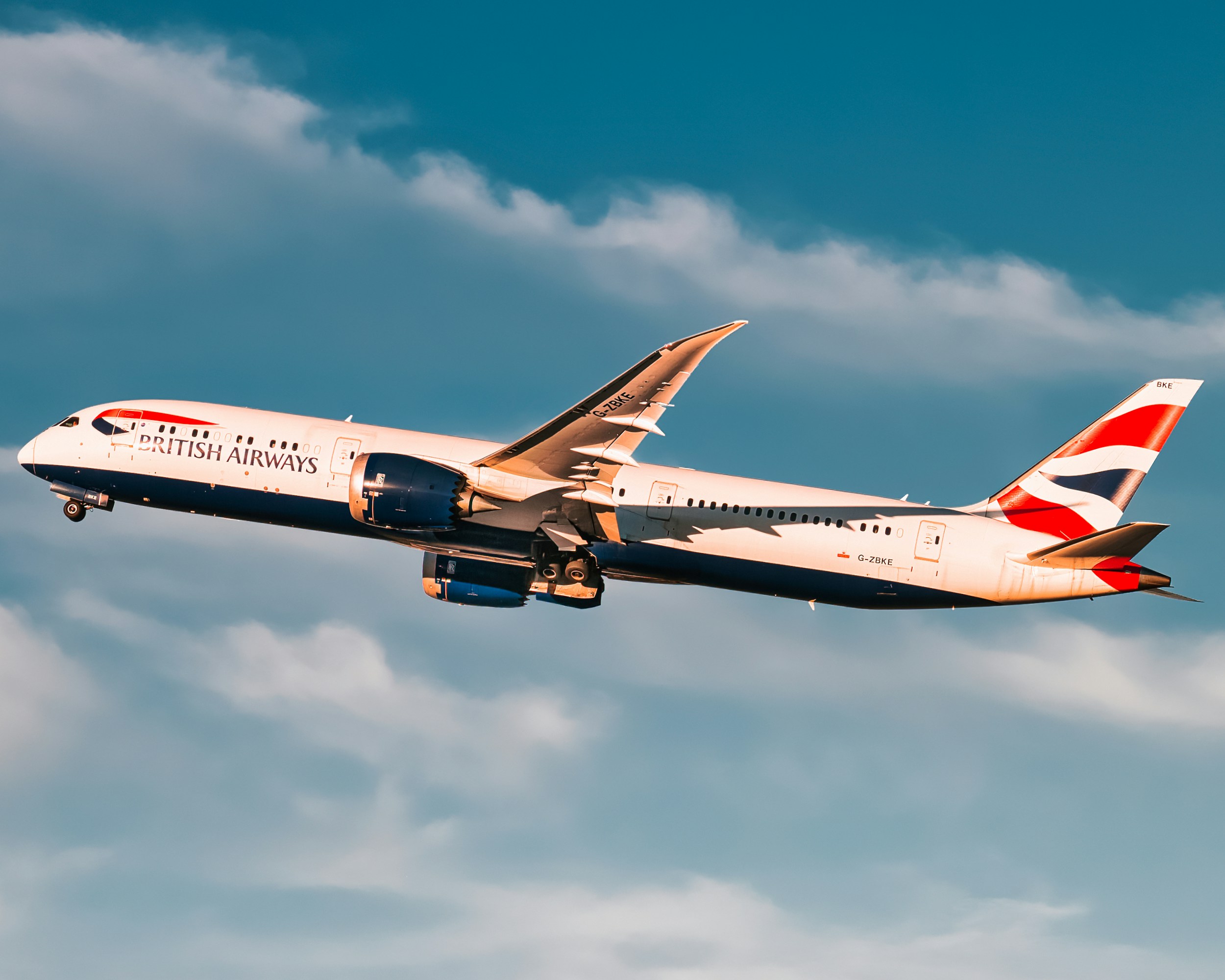
British Airways dealt with an unexpected crisis when extreme heat hit Florence Airport. The soaring temperatures forced the airline to remove passengers before departure. This action ensured safe takeoff for the aircraft, which faced strict weight and fuel limits due to the heat. The unusual situation highlights how rising temperatures already impact air travel.
As the heat reached 35°C, aircraft performance dropped sharply. High temperatures reduced air density, which demanded more fuel and increased weight. Since Florence Airport has a short runway, British Airways had to cut the load for a safe climb. The airline rebooked the affected travelers and arranged accommodations for them. However, this incident signals deeper issues for the aviation industry during heat waves.
Extreme weather disrupts operations more often now, and airlines struggle to adapt. Southern Europe faces hotter summers, which strain older infrastructure like shorter runways. Consequently, travelers should expect more delays, rerouting, and unexpected changes. Airlines, including British Airways, plan to invest in longer runways, advanced aircraft, and better fuel management to handle these challenges. These steps aim to ensure safety while maintaining efficiency during future heat waves.
Global warming creates a new reality for passengers and airlines alike. Climate change forces aviation companies to rethink operations. Real-time weather tracking and upgraded flight strategies will become critical in the coming years. Passengers should remain flexible and informed when flying through heat-prone regions.
The Florence case serves as a warning for air travel’s future. As the planet warms, similar disruptions will increase. Airlines must innovate to maintain safety, while travelers must adapt to these changes. This event marks the start of a new era in aviation.
Related stories:
Catch up on the top stories and travel deals by subscribing to our newsletter!