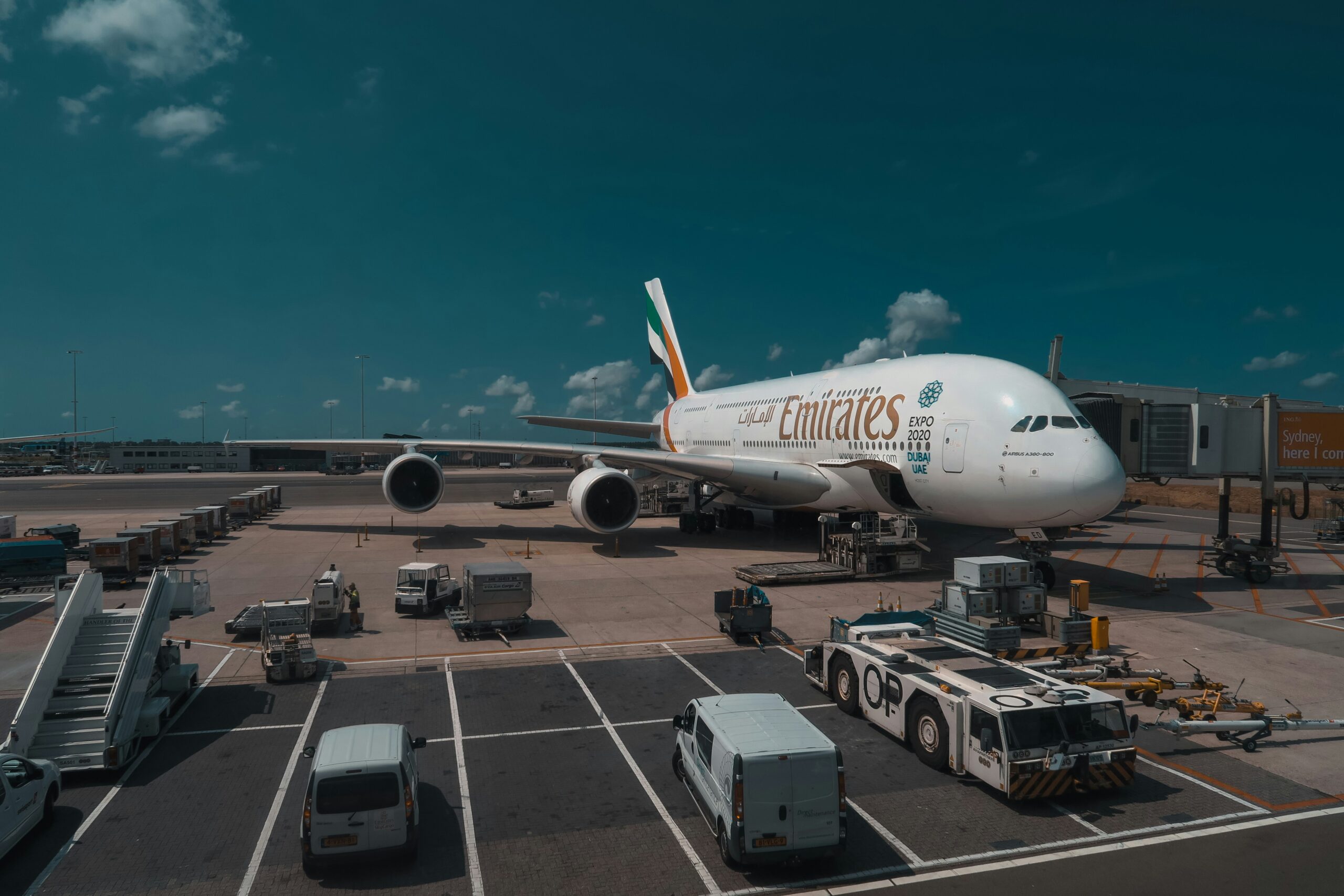
Emirates has reshaped its U.S. operations by pulling its iconic A380 from several major cities. The airline now prioritizes destinations with stronger demand, choosing profitability over prestige. This major shift in 2025 affects Boston, Dallas, Chicago, and Orlando, which no longer see regular A380 services. Instead, Emirates keeps the superjumbo on high-traffic routes like New York, Los Angeles, and San Francisco.
This decision follows years of fluctuating demand on underperforming routes. For instance, Dallas once welcomed the A380 with high hopes, yet seat occupancy fell short. Emirates responded swiftly, replacing the aircraft with a smaller and more efficient Boeing 777. Boston and Orlando faced similar trends, never maintaining consistent A380 loads. Chicago, meanwhile, had only occasional appearances from the double-decker, without sustained service.
By redirecting its A380 fleet, Emirates aims to maximize efficiency while reducing operating costs. It has strategically placed these aircraft where capacity meets real demand. This tactic reflects a broader industry trend. Airlines now lean toward nimble, fuel-efficient aircraft that adapt well to shifting market conditions.
While the A380 still shines on flagship routes, it becomes rarer across secondary airports. Travelers may still experience the luxury of the superjumbo, but only on routes with constant and dense traffic. Emirates continues to adapt its global fleet deployment to market signals. This flexibility ensures the airline maintains a leading edge while delivering a consistent experience across routes.
Expect further refinements as Emirates tracks demand and adjusts routes accordingly. Even as smaller aircraft dominate more skies, the A380 holds its place as a premium experience on select long-haul flights.
Related stories:
Catch up on the top stories and travel deals by subscribing to our newsletter!