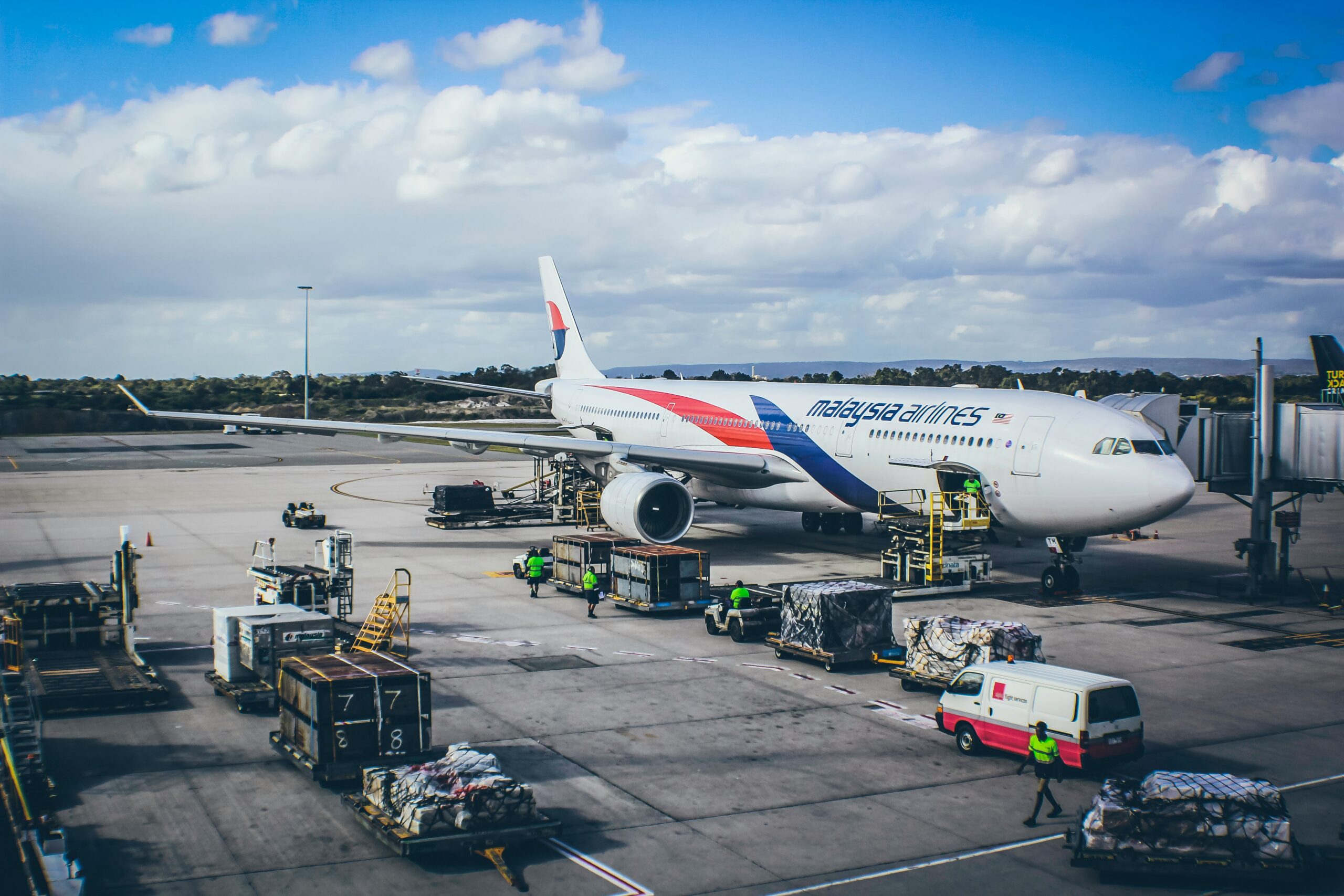
India’s aviation sector is expanding rapidly, and Malaysia Airlines is moving quickly to gain market share. Recently, the airline launched a direct flight from Kolkata to Kuala Lumpur to tap into new demand. As part of a broader strategy, this route signals Malaysia Airlines’ push into secondary cities.
Moreover, India’s rising middle class and digital penetration have created a surge in outbound travel. As a result, Malaysia Airlines now targets underserved cities instead of focusing only on metro routes. This decision helps the airline bypass airport congestion and attract untapped travelers.
Meanwhile, the airline strengthens its network by forming alliances across travel and finance sectors. These partnerships add value for passengers and create stronger brand loyalty. For example, loyalty programs cater to students, business travelers, and frequent fliers. Therefore, Malaysia Airlines delivers more personalized experiences to its diverse audience.
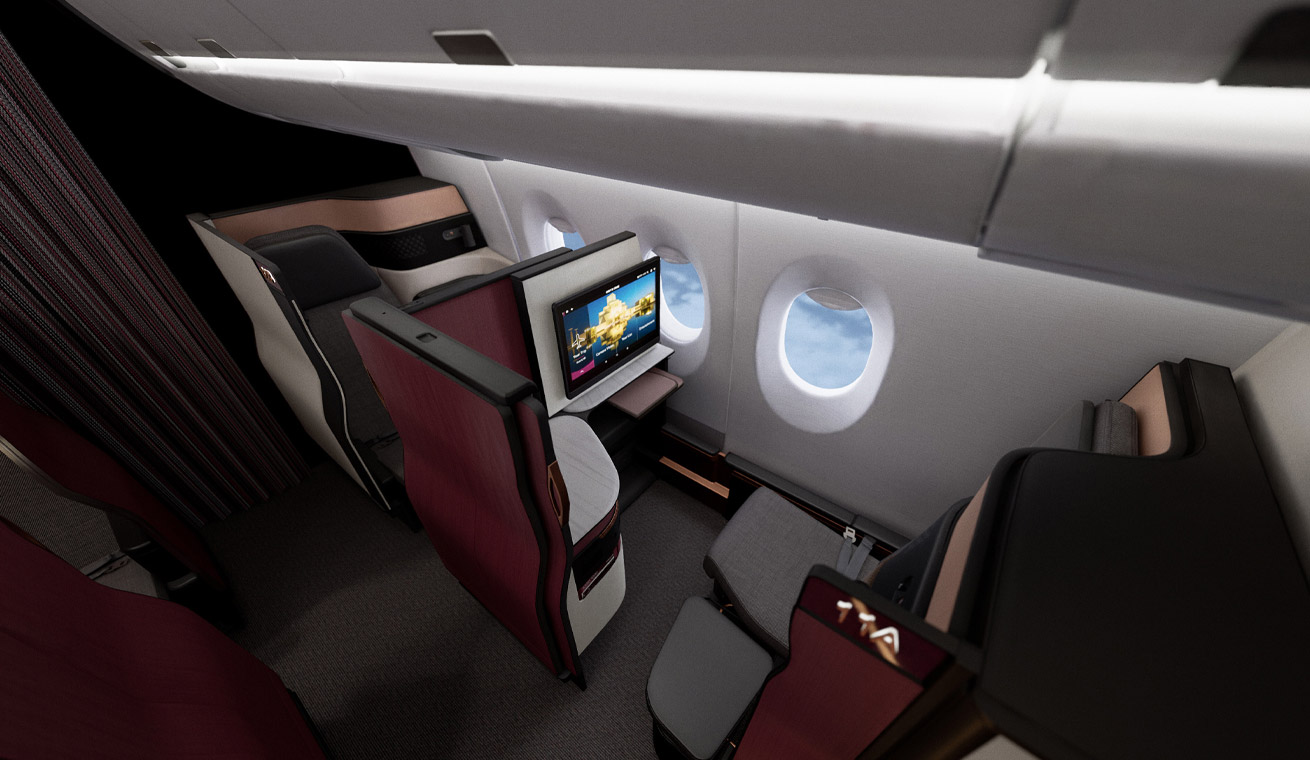
In addition, fleet modernization supports this aggressive expansion. Malaysia Airlines replaces older aircraft with fuel-efficient, comfortable planes. These upgrades reduce operational costs and enhance the passenger experience. Because Indian travelers now expect better service, this move aligns perfectly with current trends.
Furthermore, the airline’s modern aircraft offer improved reliability and lower emissions. Combined with direct routes and loyalty incentives, these efforts set Malaysia Airlines apart from competitors. It now builds a complete ecosystem that appeals to cost-conscious and quality-driven travelers alike.
Overall, Malaysia Airlines is making a long-term bet on India’s aviation growth. It carefully combines smart route planning, fleet investments, and customer-focused services. As air travel demand grows beyond metro cities, the airline positions itself as a full-service carrier that delivers reach, comfort, and value.
Related stories:
Catch up on the top stories and travel deals by subscribing to our newsletter!